Original equipment manufacturers often rely on dealers, distributors and regional sales teams to explain technically complex products. Those partners may work across different sectors, territories and levels of product knowledge, making consistent communication difficult. Industrial video production gives the network a clear set of visual resources built around real equipment and applications.
A planned production can introduce a machine, demonstrate important features and show the engineering behind the product. It can also provide shorter assets for presentations, exhibitions, email follow-up and customer training, helping every partner tell the same accurate story.
Give every sales partner a consistent foundation
Dealers develop their own customer relationships and selling styles, but the core product message should remain reliable. A main overview film can establish the application, customer problem and value of the equipment before moving into the most relevant features.
This creates a common starting point for the network. Partners can add local knowledge without relying on improvised explanations of technical details. New representatives also gain an accessible introduction while they build deeper product expertise.
The content should be shaped with input from sales, engineering and experienced dealers. Their combined perspective identifies the questions customers actually ask and the claims that need the strongest evidence.
Show the machine solving a real problem
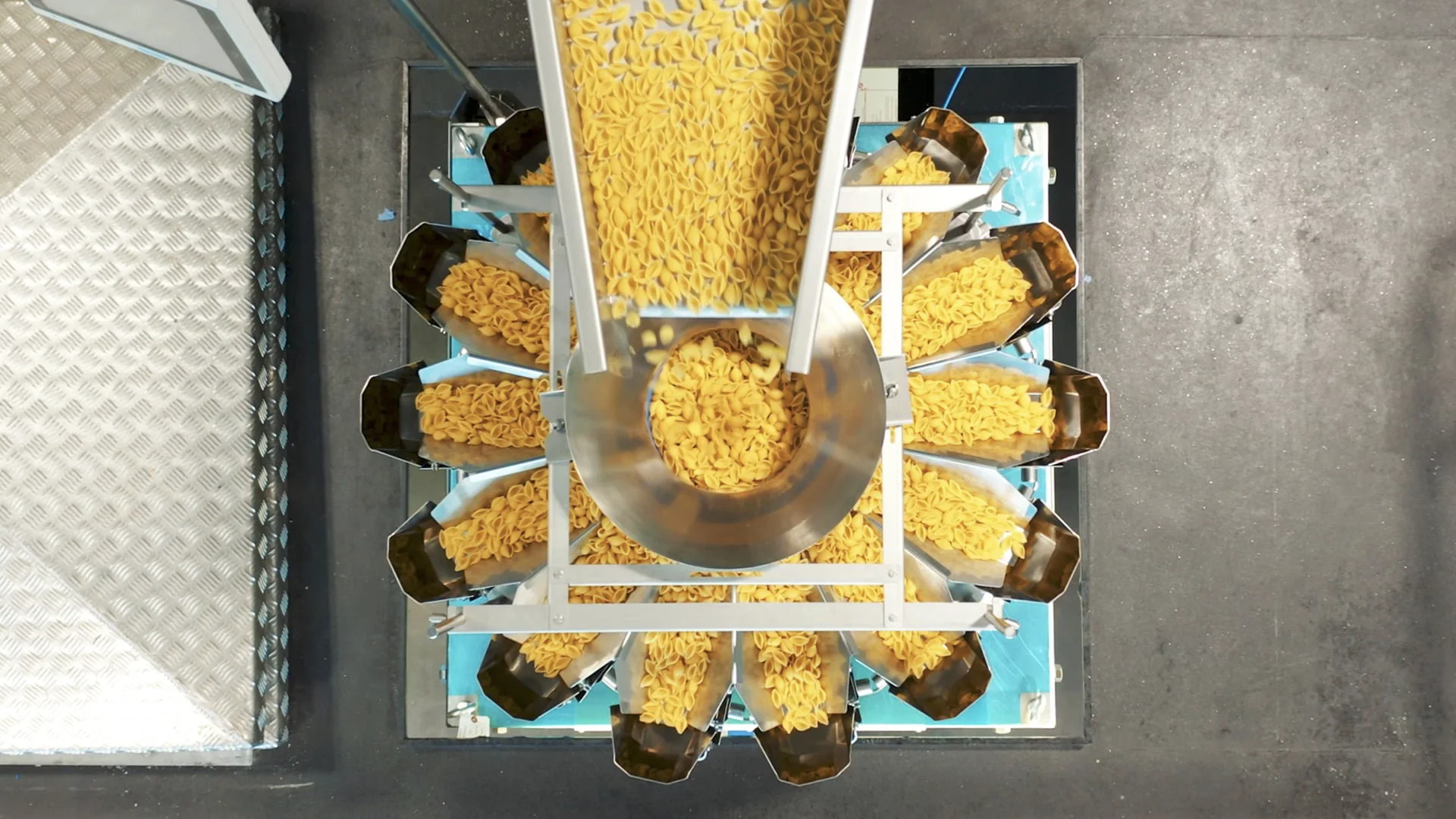
Specifications matter, but buyers also need to see how equipment behaves in operation. Video can follow material through the system, show operator interaction and reveal the quality of the finished result.
Wide shots establish the complete machine and its place in the production line. Close details show mechanisms, tooling, controls and construction. A clear demonstration connects those features to a practical outcome rather than presenting them as an isolated list.
Professional video production helps organise this evidence into a concise story that dealers can use with both technical and commercial audiences.
Create a modular product-content library
One film rarely suits every sales conversation. A customer at the research stage may need a short overview, while an engineering team evaluating the product requires more detail about integration, changeover, controls or maintenance.
A modular production can create a main product film alongside focused clips for individual features and applications. Dealers can then select the material relevant to each prospect without cutting their own unofficial versions.
Clear titles and file organisation are important. The library should make it easy to identify the product model, revision, language and intended audience for every asset.
Explain automation as a connected process
OEM equipment may include robotics, sensing, inspection and data systems. Showing only a fast machine cycle can hide the engineering that makes the system useful.
Examples of industrial automation video show how wider process footage, close mechanical detail and interface images can work together. Graphics can trace material flow, identify sensors or reveal internal actions that cannot be filmed safely.
The explanation should also show where the equipment connects to upstream and downstream operations. This gives customers and dealers a more realistic view of integration.
Prepare versions for exhibitions and demonstrations
Dealers often represent products at regional exhibitions where the equipment itself may not be available. A silent screen loop can bring the machine onto the stand and give passing visitors an immediate understanding of its purpose.
Exhibition edits need strong opening images, short captions and a structure that works when viewed from the middle. A separate narrated version can support scheduled meetings or presentations in quieter settings.
Confirming screen formats and stand layouts before editing ensures that the content works on conventional displays, portrait screens or wide LED installations.
Support international and multilingual markets
OEM networks frequently cross language and market boundaries. Translation is easier when the production is designed for localisation from the beginning.
Scripts should use direct sentences and agreed technical terminology. Graphics need space for translated text, while separate voiceover, caption and title layers allow each version to be prepared without rebuilding the complete edit.
Regional contact details and calls to action can be changed while the core product footage remains consistent. This gives local partners a relevant version without weakening brand or technical control.
Feature expertise from the manufacturer
Dealers benefit when customers can see the engineering team behind the product. Short interviews with designers, applications specialists or service leaders can explain why a feature was developed and how the manufacturer supports installation and operation.
Contributors should focus on direct knowledge. A technical explanation of a design decision is more useful than a broad promotional statement. These voices add authority while helping the network answer more detailed questions.
Service and support content is particularly important where the dealer remains the local relationship but the OEM provides specialist backup.
Show approved installation and service expectations
Customers need to understand what happens after purchase. Video can introduce factory acceptance testing, delivery preparation, commissioning, operator training and support arrangements.
The film should be precise about which responsibilities sit with the manufacturer, dealer and customer. Clear expectations help avoid confusion and allow sales teams to discuss the complete ownership experience.
More detailed maintenance or training films can remain in controlled platforms where only authorised users have access. Public content can still demonstrate the strength of the support system.
Protect accuracy as products evolve
Machines change through new options, software updates and model revisions. Every video asset should have an owner and review date so outdated features or interfaces are not presented as current.
Modular content makes updates easier. A new control screen or optional module may require one section to be replaced rather than the entire product film.
Dealers should have a single approved source for current files. Removing superseded versions from shared libraries reduces the chance of old information reaching customers.
Use feedback from the network
Sales partners hear customer questions across different applications and regions. Their feedback can reveal where the existing content is effective and where an additional demonstration would help.
Frequently requested subjects may justify new short films. Viewing and enquiry data can also show which product areas attract attention, although direct feedback from real conversations remains especially valuable.
This turns the video library into a resource that develops with the market rather than a one-off launch asset.
Help the network sell with confidence
Industrial video production gives OEMs a practical way to share product knowledge across a distributed sales network. Real demonstrations, precise explanations and controlled versions help dealers communicate consistently while retaining the flexibility to serve local customers.
The strongest content is planned with the people who build, support and sell the equipment. It makes technical value easier to see and gives every partner credible evidence for the conversation.
If your dealer or distributor network needs clearer industrial video content, contact Industreel to discuss a production plan for your products and markets.