When a machine is delivered, the customer relationship is only entering its most important phase. Installation, commissioning and operator training may be complete, but the equipment still needs to perform reliably through years of production. Industrial video production gives manufacturers and engineering teams a practical way to support that lifecycle, turning specialist knowledge into clear visual guidance that customers can use when a question arises on the factory floor.
A strong support video is more than a recorded demonstration. It anticipates the moments when a customer may be under pressure: a new operator needs to understand a sequence, a maintenance technician needs to identify a component, or a service manager needs to confirm that a procedure was followed correctly. By planning the content around those real situations, a manufacturer can reduce avoidable uncertainty while reinforcing the value of the equipment after the sale. This is one of the most useful applications of industrial video production because it connects communication directly to uptime, confidence and long-term customer experience.
Make the handover useful after the installation team leaves
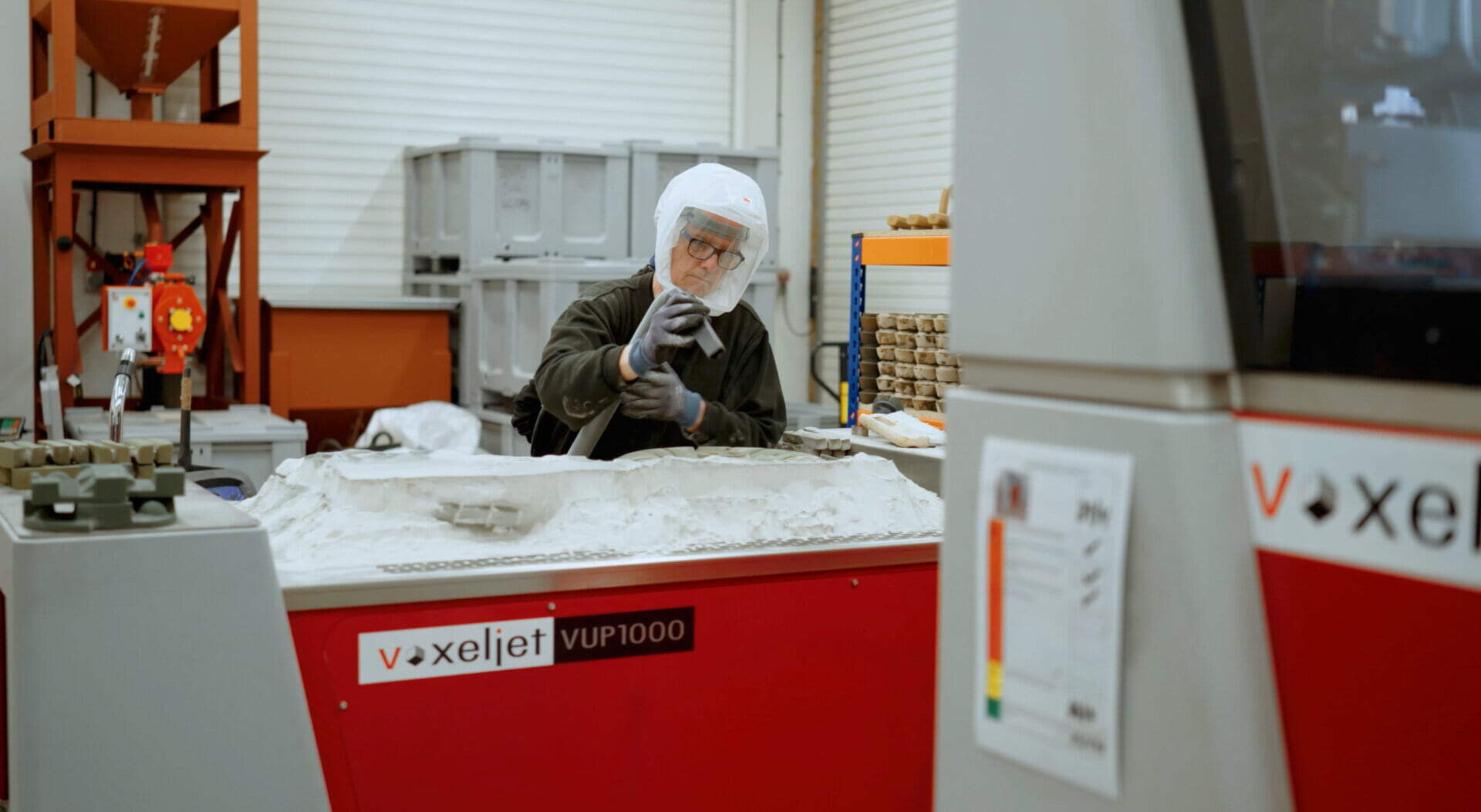
Handover information is often delivered as a mixture of manuals, slide decks, marked-up drawings and verbal explanations. Each resource has its place, but none is as immediate as showing the exact machine, interface or work area that an operator will encounter. A concise video can walk through start-up checks, normal operating sequences, changeover points and safe shutdowns in the same environment where the work will happen.
The most effective approach is to separate the handover into focused chapters rather than one long film. A customer might need a five-minute overview for new starters, a short cleaning sequence for shift teams and a detailed maintenance explanation for engineering staff. Clear titles, on-screen labels and consistent terminology make each section easy to find. The finished library can then sit inside a customer portal, learning platform or internal knowledge base, giving different audiences the level of detail they actually need.
Show the detail that written instructions struggle to convey
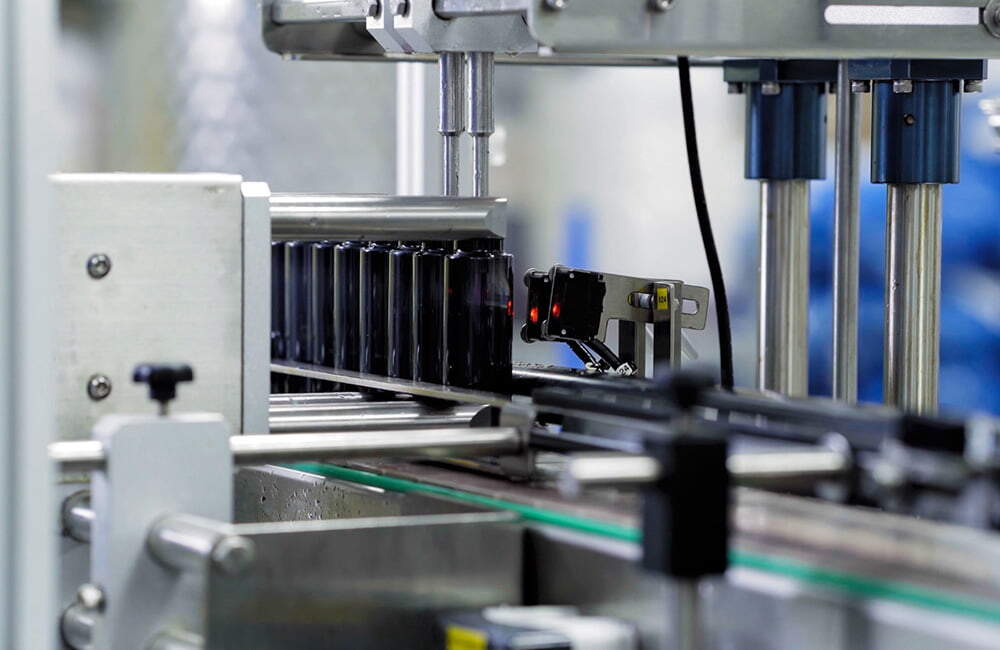
Many support problems are caused by small visual differences: the position of a selector, the direction of a valve, the correct seating of a guard or the sound and movement that indicate normal operation. Video can bring those details into focus with deliberate framing, close-ups and carefully paced demonstrations. Cutaways can reveal the relationship between an external control and the mechanism it operates, while diagrams or simple overlays can clarify information that is difficult to see safely during live production.
That does not mean every shot needs to be complicated. In fact, support content benefits from restraint. A stable camera, good lighting and clear narration usually serve the viewer better than fast edits or dramatic movement. Where a procedure has a safety implication, the film should make the correct sequence unmistakable and distinguish essential checks from optional context. Captions and on-screen terminology also help customers who are watching in a noisy plant or referring back to a clip without sound.
Build a support library around real customer questions
Before filming, service teams should list the questions they answer repeatedly. These may include how to prepare the machine for a product change, where to inspect a wear point, how to reset an alarm or which conditions require a call to technical support. Those questions provide a stronger editorial foundation than a generic tour because they reveal where customers lose time or confidence.
It is also worth considering the different stages of ownership. A commissioning video can explain acceptance checks and first production runs. A set of operator clips can reinforce daily routines. More technical films can cover lubrication, planned component replacement and fault diagnosis. When these are organised by role and task, the content remains useful as staff change, sites expand and the original installation team is no longer available. The result is a durable knowledge asset rather than a one-off launch video.
Protect accuracy as equipment and processes evolve
Lifecycle support content needs an update plan. Software interfaces change, components are revised and customers may adopt new operating procedures. During production, it helps to capture neutral shots, clean close-ups and modular explanations that can be reused when a small detail changes. Keeping terminology, file naming and version dates consistent makes future updates quicker and reduces the risk of an old instruction circulating after the equipment has been modified.
Manufacturers should also agree ownership before publication. Service engineering, health and safety, product management and marketing may each need to review different aspects of the material. A short approval process can confirm that the procedure is current, the claims are accurate and the footage reflects the machine customers actually receive. This matters especially when videos are used across several territories or translated for international distributors.
Turn post-sale expertise into measurable value
Well-planned support videos can help teams measure where customers need assistance. Viewing data, search terms in a portal and recurring service enquiries can show which topics need clearer explanation or a revised procedure. That insight can feed back into product documentation, training and future manufacturing communications. It can also help a service department demonstrate the practical value it provides beyond the initial equipment sale.
For manufacturers, the goal is not simply to produce more content. It is to make expert guidance available at the moment it can prevent delay, confusion or an unnecessary callout. A considered video library supports operators, strengthens distributor relationships and gives customers confidence that help is close at hand throughout the equipment lifecycle. If your team is planning a handover, service or training programme, talk to Industreel about shaping the filming around the questions your customers ask most.