Industrial businesses often have a powerful story to tell, but their work is rarely easy to explain with words and still images alone. Large machinery, specialist engineering, automated systems and carefully controlled production processes make sense when they can be seen in motion. That is where professional industrial video production becomes especially valuable.
For manufacturers, engineering companies and technology providers, video offers a direct way to show capability rather than simply describe it. A carefully planned film can take viewers inside a working facility, reveal the scale of an operation and make complex processes easier to understand. It gives potential customers evidence of the people, equipment and expertise behind a business.
Turning Technical Processes Into Clear Visual Stories
The strongest industrial films are not just collections of impressive machinery shots. They are structured around a clear purpose. That could be introducing a company, explaining a production method, demonstrating a new installation or documenting the results of a completed project.
Before filming begins, it is important to identify the audience and the central message. Engineers may want to see technical detail, while procurement teams and senior decision-makers may be more interested in reliability, capacity and results. A successful production balances these needs without making the film feel overloaded.
At Industreel, our approach to video production is built around understanding the environment first. Shot planning, interviews and supporting footage are developed around the real strengths of the business. This makes the finished video informative, credible and relevant to the people it needs to reach.
Filming Safely in Live Industrial Environments
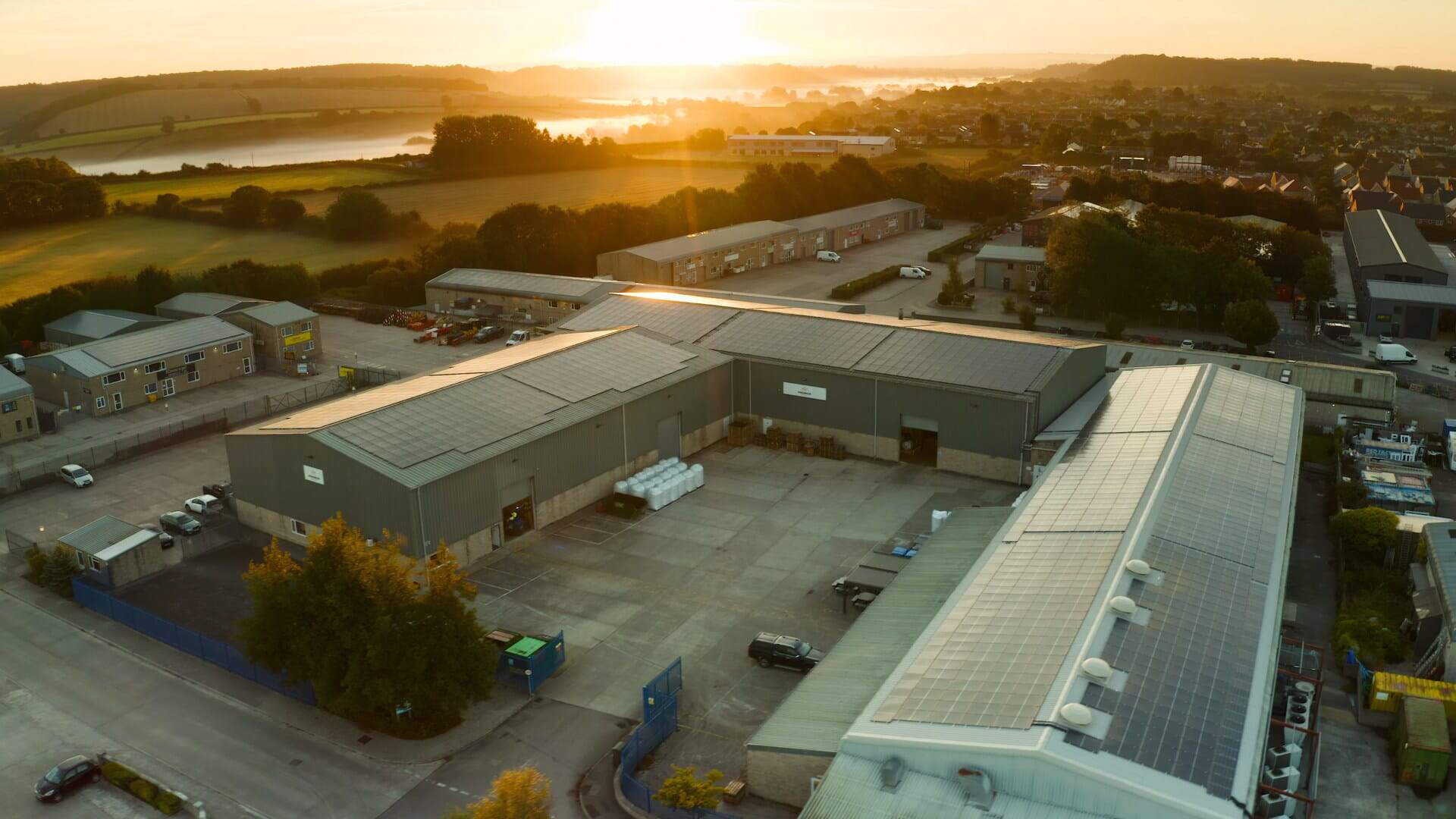
Factories and engineering facilities are very different from controlled studio locations. Production schedules cannot always stop for filming, access may be restricted and every member of the crew must work within site safety procedures. Noise, heat, reflective metal, low light and moving equipment can also create technical challenges.
Experience in these environments makes a significant difference. The crew needs to plan positions carefully, communicate with site teams and capture the required footage without disrupting normal operations. Working efficiently is especially important when filming production cycles that cannot easily be repeated.
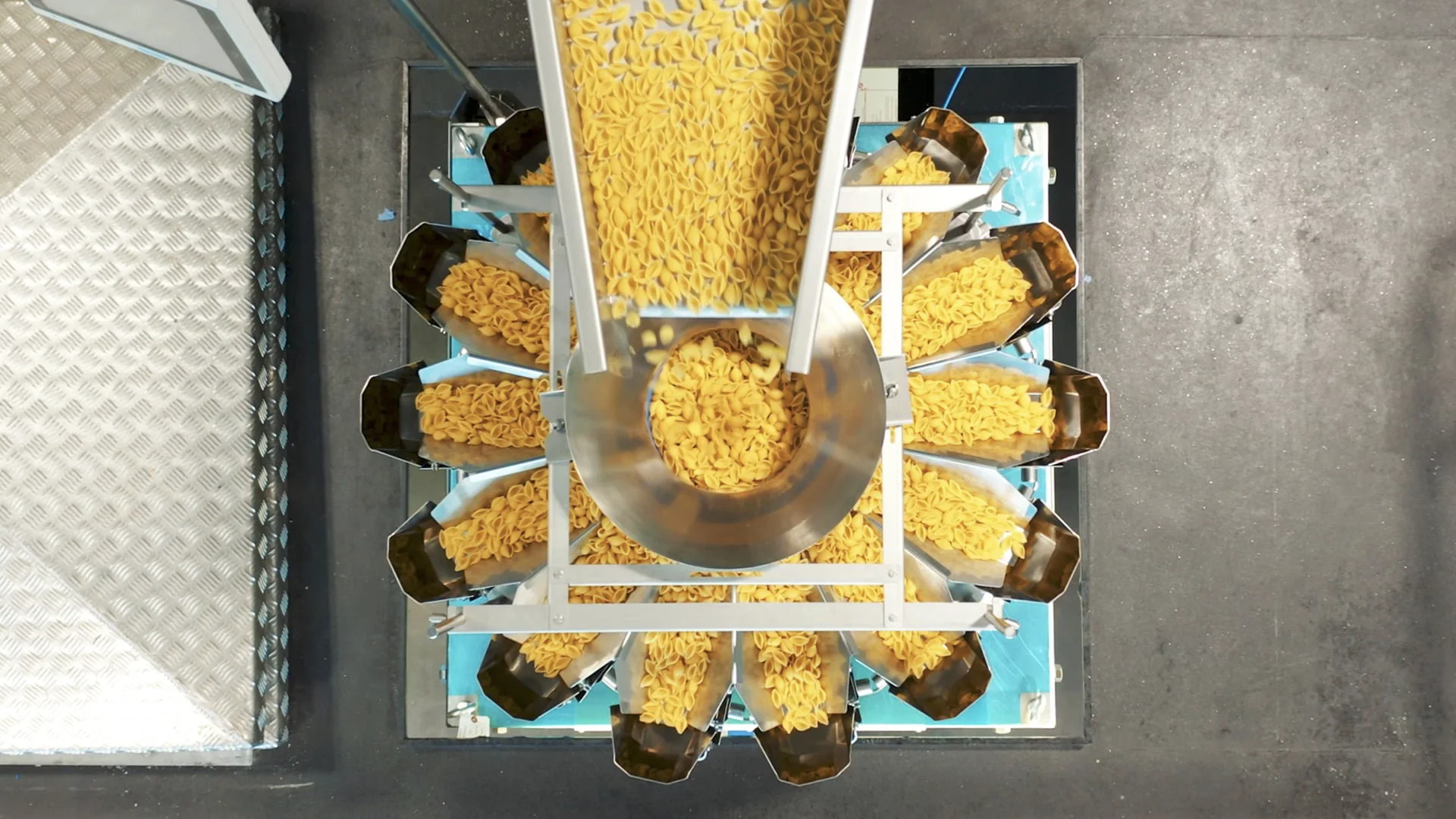
The visual opportunities are considerable. Robotic movement, sparks, furnaces, cutting tools, conveyors and close-up engineering details all provide strong material when filmed with purpose. Wide shots establish scale, while controlled close-ups reveal precision and craftsmanship. Together, they help an audience understand both the size of the operation and the quality within it.
Showing Scale, Precision and People
Industrial video production works best when it presents more than machinery alone. The people who design, operate and maintain industrial systems are a vital part of the story. Interviews with engineers, production managers or customers can give context to the visuals and explain why a process matters.
This combination of human insight and operational footage builds trust. A prospective customer can see real facilities and hear from knowledgeable people rather than relying on generic claims. For businesses selling specialist or high-value services, that authenticity can support much stronger sales conversations.
Video can also communicate details that are difficult to capture in a brochure. The speed of an automated line, the repeatability of a robotic cell or the coordination between different systems becomes immediately clear on screen. This is particularly useful for industrial automation videos, where movement and sequence are central to understanding the solution.
Creating One Production With Multiple Uses
A well-planned industrial shoot can generate far more than one finished film. The main production might be used on a website or in a sales presentation, while shorter edits can be prepared for LinkedIn, exhibitions, recruitment campaigns and email marketing.
Additional footage can support future case studies, product launches and company updates. Vertical and square versions can be created for social platforms, while short silent edits with captions work well on trade-show displays. Planning these outputs before the shoot helps the team capture the right range of material and creates better long-term value from the production day.
This flexible approach is useful for manufacturers with limited access to certain machines, facilities or customer sites. Capturing a comprehensive library while the opportunity is available reduces the need for repeated filming and keeps future marketing content visually consistent.
Supporting Sales With Real Evidence
Industrial buying decisions are often based on confidence, proof and technical understanding. A professionally produced video helps businesses demonstrate all three. It can show equipment operating under real conditions, document the outcome of an installation and give prospective clients a clearer picture of what working with the company will involve.
Case study films are especially effective because they connect a challenge to a practical result. Instead of listing services, the video shows how expertise was applied and what changed for the customer. Sales teams can use this content before meetings, within proposals or as a follow-up resource for stakeholders who were not present.
For UK manufacturers competing in specialist markets, strong visual content can also improve the quality of their online presence. When the imagery reflects the real scale and precision of the business, the website feels more credible and memorable.
Planning an Industrial Video Production
A useful starting point is to decide what the viewer should understand or do after watching. From there, the production can be built around the most relevant processes, people and proof points. Practical considerations such as access, safety, noise, lighting, confidentiality and production timings should be addressed during pre-production.
Some facilities contain commercially sensitive equipment or customer information. These issues can be managed through agreed filming zones, careful camera angles and a clear review process. The aim is to reveal enough to communicate capability while respecting intellectual property and operational requirements.
Industreel specialises in filming manufacturing, automation and engineering environments across the UK. By combining industrial experience with cinematic production techniques, we create films that make complex work clear, engaging and useful. If your business needs to demonstrate its processes, people or technical capabilities, contact Industreel to discuss an industrial video production built around your objectives.