Industrial buyers rarely make decisions on presentation alone. They need evidence that a supplier understands demanding environments, complex processes and the practical realities of delivering reliable work. Professional industrial video production helps provide that evidence by showing real facilities, experienced people and technical capability in action.
For manufacturers, engineering businesses and automation specialists, this matters because many services are difficult to explain quickly. A written description can list capacity, tolerances or machinery, but it cannot immediately communicate the scale of a production line or the confidence of a knowledgeable team. Video gives prospects a clearer view of the business before the first meeting takes place.
Why Trust Matters in Industrial Marketing
Technical purchasing decisions often involve significant budgets, long delivery times and operational risk. A buyer needs to believe that a supplier can deliver consistently, work safely and understand the standards expected within their sector. Generic marketing language does little to answer those concerns.
Industrial video creates a stronger form of proof. Footage of machinery running, products being inspected and engineers discussing their work turns abstract claims into visible evidence. It helps viewers understand that the business has genuine facilities, established processes and the people required to support a project.
This is particularly useful when a prospective customer cannot visit the site immediately. A well-planned film can provide an authentic first look at the operation and help technical and commercial stakeholders develop confidence from a distance.
Showing Capability Instead of Simply Claiming It
Statements such as “high quality”, “innovative” and “industry leading” appear across almost every sector. Industrial audiences are more likely to respond when those claims are demonstrated. Video can show the finish of a fabricated component, the repeatability of a robotic cell or the care taken during an inspection process.
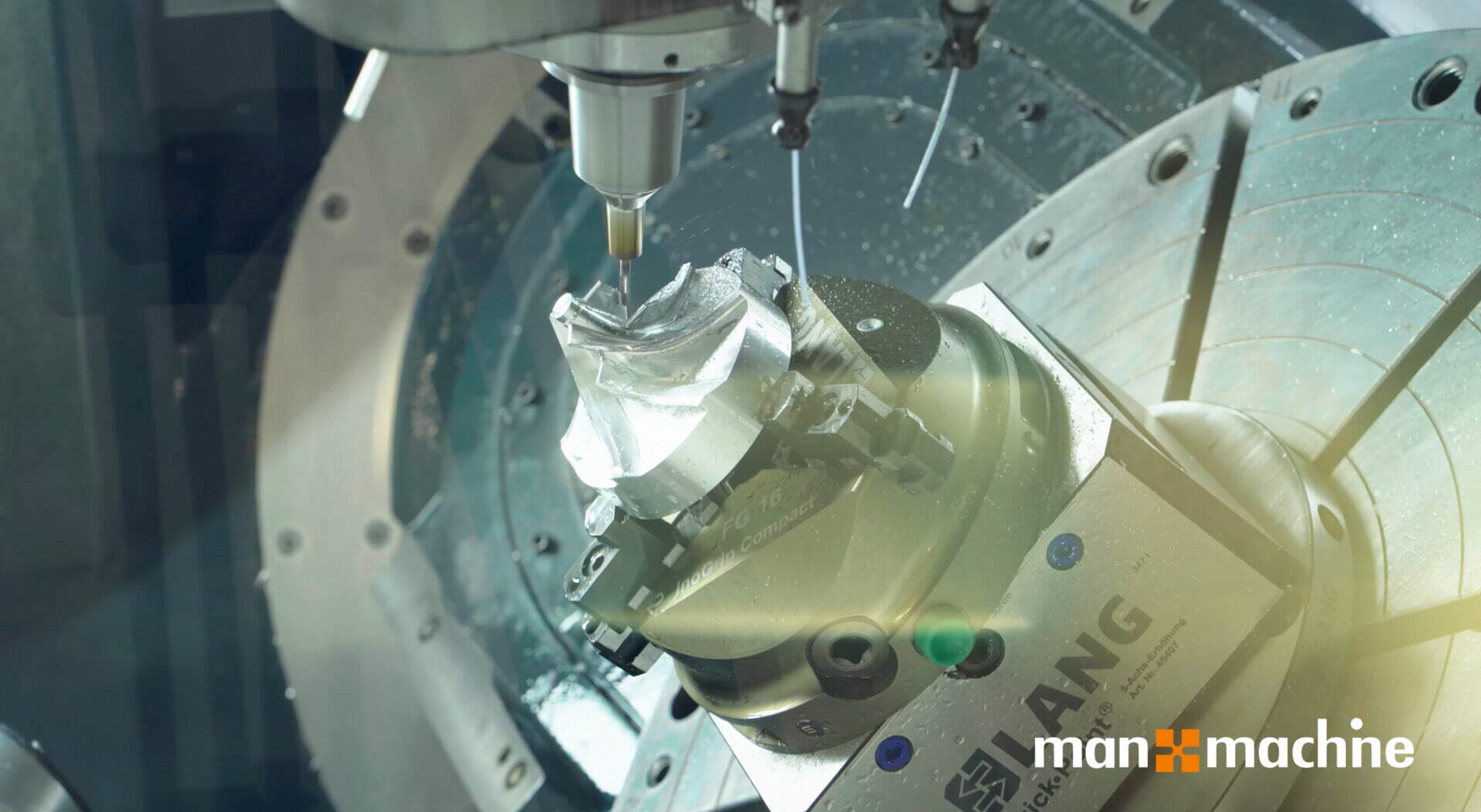
A combination of wide shots, detailed close-ups and purposeful movement can reveal both scale and precision. Wide views establish the size of a facility or installation, while close shots allow an audience to see tooling, controls, materials and workmanship. Interviews then connect those visuals to the results delivered for customers.
Industreel’s video production approach is built around finding the clearest visual evidence for each business. The aim is not to make an industrial environment look artificial, but to present its real strengths with structure, clarity and professional production values.
Making Complex Engineering Easier to Understand
Many industrial companies sell solutions that are technically sophisticated. The value may sit within a sequence of operations, a control system or a carefully engineered improvement that is difficult to communicate through still photographs. Video can guide the viewer through that complexity one stage at a time.
Clear editing allows a process to be broken into logical sections. On-screen graphics, labels or a concise voiceover can explain what is happening without overwhelming the audience. This makes the same film useful to engineers who want detail and decision-makers who need a straightforward overview of the commercial benefit.
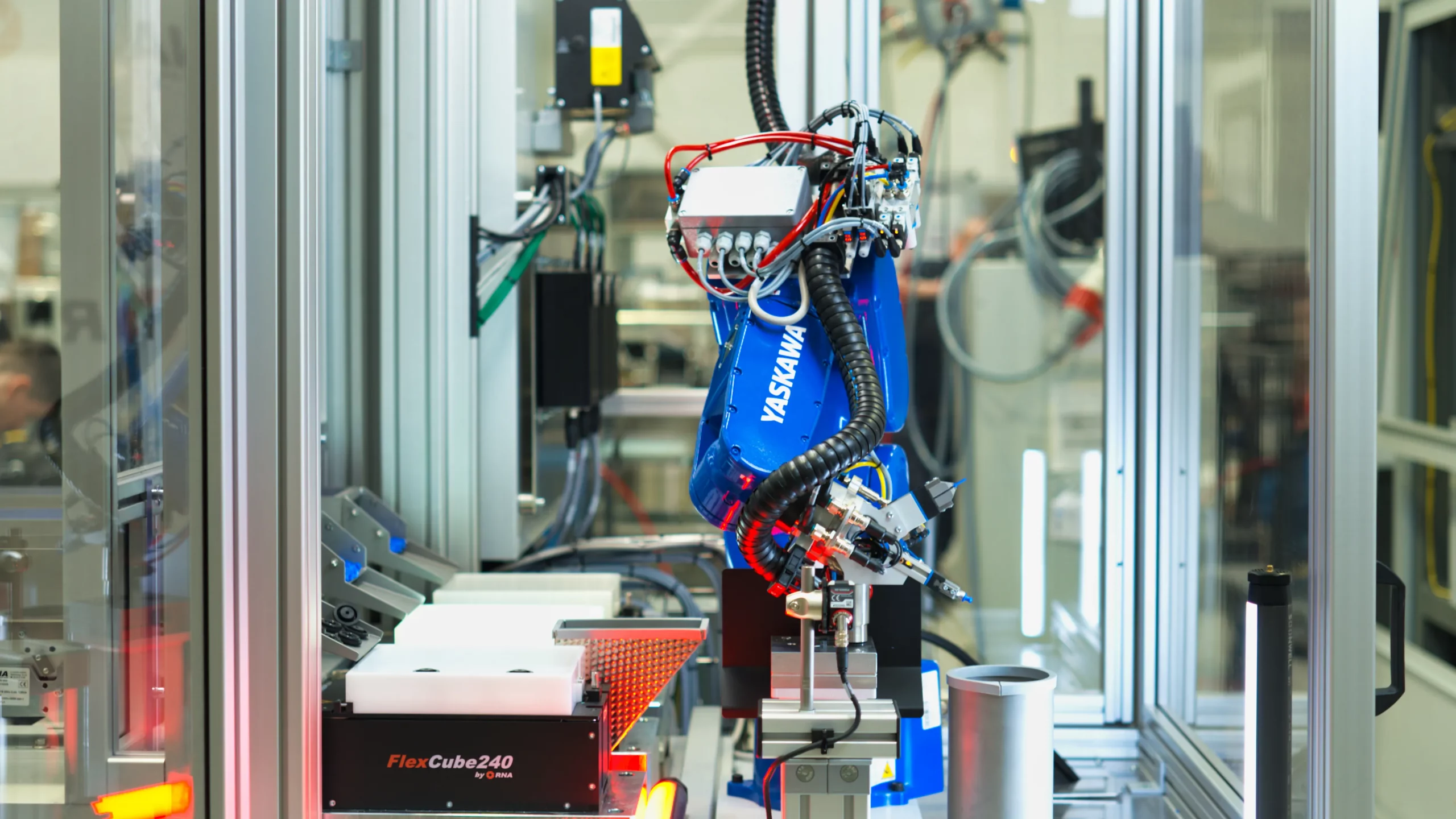
Movement is especially important when presenting automated equipment. An industrial automation video can demonstrate speed, coordination and repeatability in a way that specifications alone cannot. Seeing a complete cycle gives buyers a much stronger sense of how the system will perform in practice.
Putting Skilled People at the Centre of the Story
Machinery may provide the most dramatic visuals, but people build trust. Engineers, operators, project managers and customers can explain the decisions behind a process and give the film an informed, human voice. Their contribution helps viewers understand the expertise that supports the equipment.
Interview content does not need to feel scripted or overly promotional. Carefully prepared questions can encourage clear explanations of challenges, solutions and results. When these comments are combined with relevant footage, the audience sees both the work and the knowledge behind it.
This approach is valuable for recruitment as well as sales. Potential employees can see the working environment, meet members of the team and understand the type of projects they may contribute to. One production can therefore support several business priorities while maintaining a consistent message.
Filming Credibly in a Working Facility
Authenticity depends on understanding the environment being filmed. Industrial sites introduce practical considerations including safety rules, moving vehicles, production schedules, noise, heat and confidential equipment. The production must work around these realities rather than interrupting them.
Good pre-production identifies the areas and processes that matter most, agrees access with site teams and establishes what cannot be shown. A planned shot list keeps filming efficient while leaving enough flexibility to respond to real activity on the day.
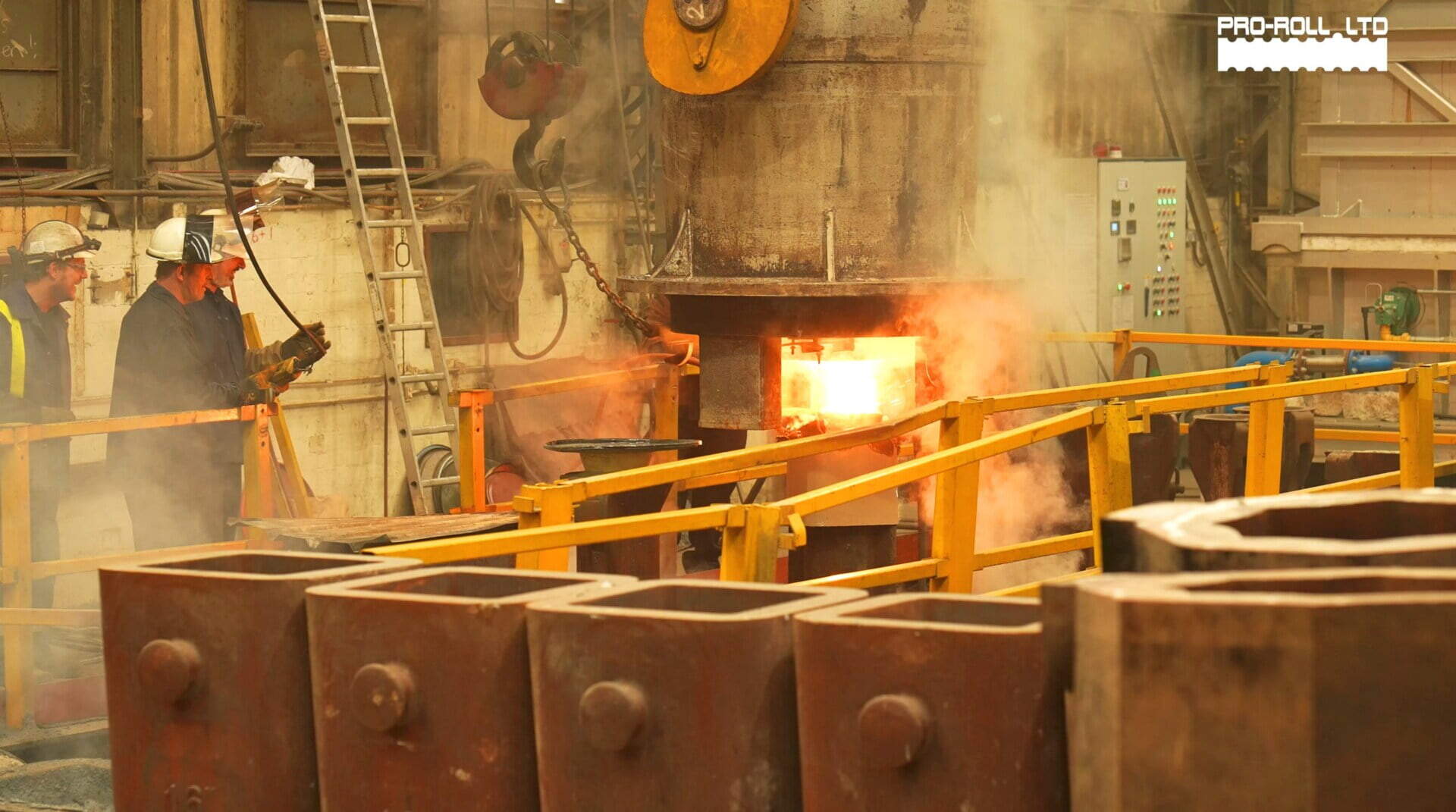
Lighting and camera choices also affect credibility. Harsh overhead lights, reflective metal and dark machinery can be challenging, while sparks, steam and rapid motion need careful exposure. Experienced industrial filming preserves the atmosphere of the facility while keeping important technical details clear.
Using Industrial Video Throughout the Sales Process
An industrial film should be planned as a working business asset, not simply a one-off website feature. The main video can introduce the company or present a case study, while shorter edits can support LinkedIn campaigns, sales emails, proposals, exhibitions and presentations.
A prospect may first encounter a short social clip, then watch a longer film on the website before speaking to the sales team. Consistent footage across these touchpoints reinforces the same evidence and makes the business easier to remember. Sales teams can also send relevant case studies directly when a buyer asks about a particular capability.
Capturing a broader library during the production day creates further value. Additional sequences can be reused for future updates, recruitment content and sector-specific campaigns. This is especially helpful when access to a customer site or specialist installation is limited.
Planning a Video That Builds Confidence
The most effective starting point is a clear question: what does the audience need to believe after watching? The answer might relate to capacity, engineering expertise, product quality, safe delivery or a proven result. That central objective should guide the interviews, locations and processes included in the film.
Industrial video production succeeds when it respects the audience’s intelligence and presents genuine evidence. Clear storytelling, strong operational footage and informed voices help technical businesses communicate without relying on vague claims.
Industreel specialises in filming manufacturing, automation and engineering environments across the UK. If your company needs to demonstrate complex work, strengthen its sales material or give prospective customers a clearer view of its capabilities, contact Industreel to discuss an industrial video production shaped around your objectives.