Launching new machinery is a major commercial moment. Months or years of engineering, testing and investment can lead to a product that solves a genuine customer problem, but the value is not always obvious from a specification sheet alone. Industrial video production gives manufacturers a clear way to show what the machine does, how it operates and why it matters.
A strong launch film can introduce equipment to customers who cannot attend a live demonstration, support distributors in different regions and give sales teams a consistent explanation of the product. It can also turn one launch event into a library of useful content for websites, presentations, exhibitions and follow-up campaigns.
Begin with the customer problem
Technical teams naturally want to discuss the engineering behind a new machine. That detail is important, but the most effective launch story usually begins with the challenge the customer needs to solve. It might be faster throughput, improved repeatability, safer handling, reduced waste or easier integration with an existing line.
Starting with that problem creates a clear structure. The film can establish the operational context, introduce the new equipment and then demonstrate the features that produce the desired result. Viewers understand not just what has changed, but why the development is relevant to their own facility.
Before filming, it helps to agree one primary message and a small number of supporting points. This keeps the finished piece focused and prevents an ambitious launch video from becoming a long catalogue of unrelated features.
Show the machine working in a credible environment
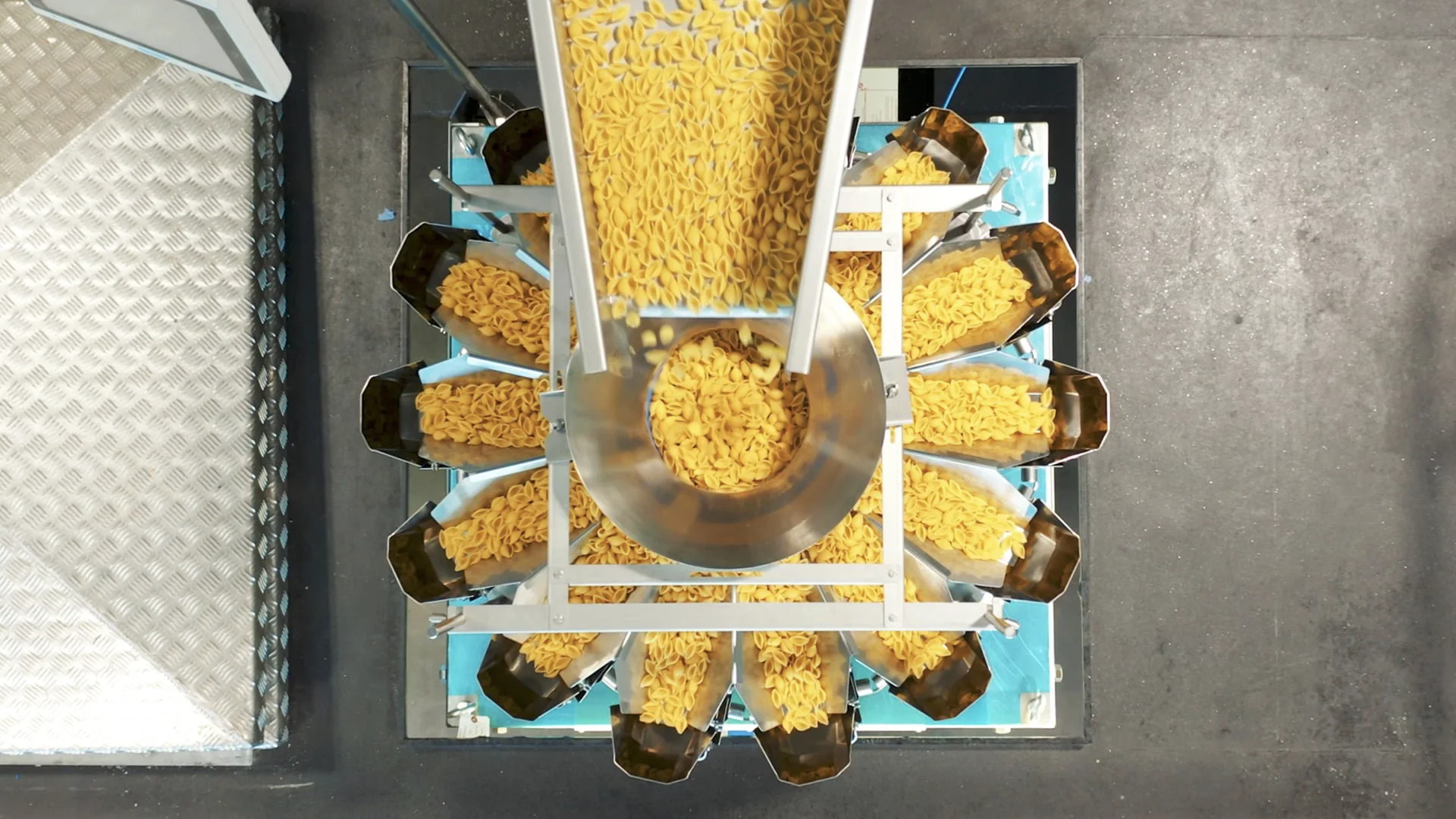
Industrial buyers want evidence. Carefully filmed operational footage can show material entering the system, the sequence of automated actions, operator interaction and the finished output. Wide shots explain the overall layout, while close-up images reveal controls, mechanisms, tooling and build quality.
Where possible, filming the machine under realistic production conditions makes the story more convincing. That may mean using representative materials, demonstrating a complete cycle or showing how the equipment connects with upstream and downstream processes. A controlled demonstration can still be visually polished without hiding the practical realities of industrial operation.
Professional video production also helps manage the visual challenges of a working factory, from mixed lighting and reflective surfaces to restricted camera positions and mandatory safety procedures.
Plan filming around commissioning and testing
The best time to capture a new machine is not always launch day. Equipment may look complete while engineers are still commissioning controls, refining settings or waiting for final guarding and branding. Building the filming schedule around technical milestones reduces disruption and avoids recording behaviour that will change before release.
A practical plan identifies which sequences must show the final machine and which can be captured earlier. Interviews, component details, engineering work and facility footage may be filmed separately from the main operational demonstration. This spreads the demands on production staff and creates room to solve unexpected issues.
Safety and confidentiality should be part of the planning from the outset. Shot lists can be reviewed with site managers so that sensitive screens, customer materials and proprietary processes are protected without weakening the finished film.
Use graphics to explain what the camera cannot
Some of the most valuable features happen inside an enclosure, at high speed or at a scale that is difficult to see. Motion graphics, labels and animation can clarify those moments. A simple overlay might trace material flow, identify sensors or compare cycle stages, while a 3D animation can reveal an internal process that cannot be filmed safely.
Graphics work best when they support genuine footage rather than compete with it. Consistent colours, terminology and measurements help the film feel like part of the wider product launch. Technical specialists should review explanatory material before release so that every claim and diagram is accurate.
For systems built around robotics, controls and integrated processes, examples of industrial automation video can help establish an appropriate balance between overall system context and detailed machine action.
Capture the people behind the development
A machinery launch is also a chance to demonstrate expertise. Short interviews with a design engineer, project lead or applications specialist can explain the thinking behind the product in a direct and credible way. Customers see that the machine is supported by people who understand both the technology and its working environment.
Interview contributions should be concise and purposeful. Rather than asking someone to repeat a list of features, invite them to explain the problem the team set out to solve, a significant design decision or the difference operators will notice. These answers add authority while keeping the film accessible.
Create several assets from one production
The main launch film may sit on a product page or open a presentation, but the same shoot can produce much more. Short demonstrations can focus on individual features. Vertical clips can support social channels. Silent versions with captions can run on exhibition screens, and clean footage can be supplied to distributors for local campaigns.
Planning these outputs before the shoot affects how each scene is framed and recorded. Capturing extra duration, alternative camera angles and both wide and close compositions gives editors flexibility. It is far more efficient than trying to create additional formats from footage that was designed for only one finished film.
Support the full sales journey
A launch creates an initial burst of attention, but industrial purchasing decisions often take longer. Video can continue answering questions as prospects move from awareness to technical evaluation. A short overview may introduce the machine, followed by application-specific edits, maintenance explanations or customer evidence as the conversation develops.
Sales and marketing teams should agree where each asset will be used and how viewers will take the next step. Clear placement on the website, relevant calls to action and organised follow-up material turn the production into a practical sales resource.
Measure the launch by useful engagement
View counts provide only part of the picture. More meaningful signals include qualified enquiries, requests for demonstrations, time spent on product pages and the questions prospects ask after watching. Feedback from distributors and sales teams can reveal which sequences make technical conversations easier and which topics deserve their own follow-up film.
The purpose of industrial video production is not simply to make new machinery look impressive. It is to translate engineering value into a story customers can understand, trust and act on. When production is planned alongside commissioning, launch activity and long-term sales needs, the result keeps working well beyond release day.
If you are preparing to introduce a new machine or production system, contact Industreel to discuss a focused video plan for the launch.