A trade show gives an industrial business a rare opportunity to put its people, products and expertise in front of a concentrated audience. The challenge is that every exhibitor is competing for attention at the same time. Industrial video production helps a stand communicate quickly, even when the team is already in conversation or the surrounding hall is busy.
A well-planned film can show machinery in operation, explain a difficult process and bring a factory environment onto the exhibition floor. It gives visitors an immediate sense of what a company does before a salesperson has said a word. More importantly, the same footage can support conversations before, during and long after the event.
Start with the job the video needs to do
Exhibition films work best when they have a clearly defined role. Some need to stop passing visitors and create curiosity. Others need to help sales teams explain a technical advantage, introduce a new product or demonstrate equipment that cannot be transported to the venue.
Those objectives lead to different creative choices. An attention-grabbing screen loop may rely on strong images, short captions and quick visual changes. A product explanation shown during a meeting can take more time, use a voiceover and include detailed diagrams or animation. Trying to make one edit serve every purpose can weaken the message, so it is useful to plan a small family of assets from the same shoot.
Design for the realities of an exhibition hall
Trade-show environments are visually crowded and often noisy. Many people will first see the film from several metres away, without hearing any audio. That means the opening images must be easy to understand and the most important points should not depend on narration alone.
Wide shots can establish the scale of a facility, while close details reveal precision, engineering quality and finish. On-screen text should be brief, large and readable. The edit also needs to work as a loop, avoiding an ending that leaves the screen static or makes visitors wait too long for the key message to return.
Screen shape and position matter too. A film intended for a conventional presentation display may not translate neatly to a portrait screen, an ultra-wide LED wall or several synchronised panels. Confirming the stand specification early allows the production team to frame shots and prepare masters for the correct resolution and aspect ratio.
Show what visitors cannot see on the stand
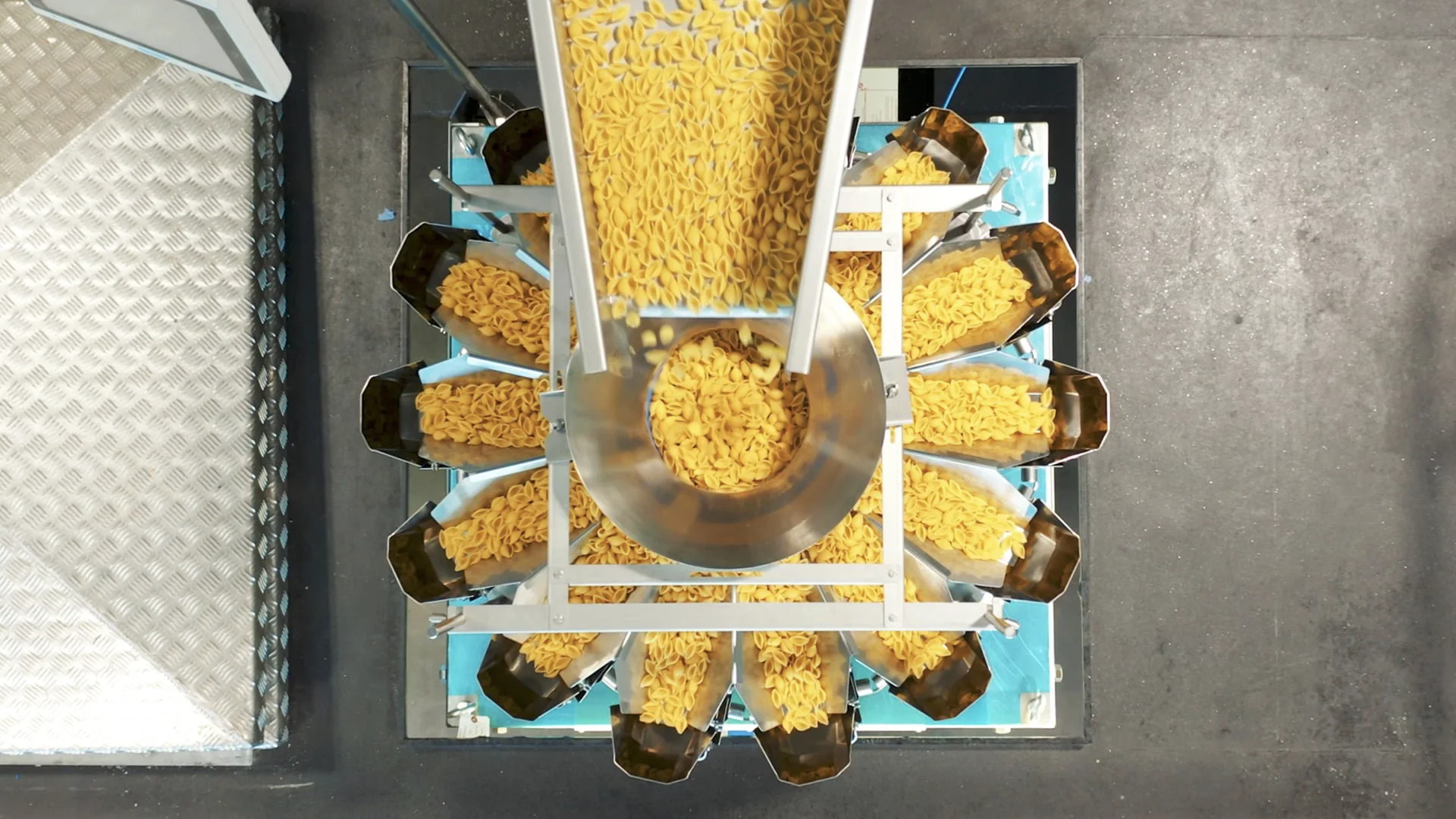
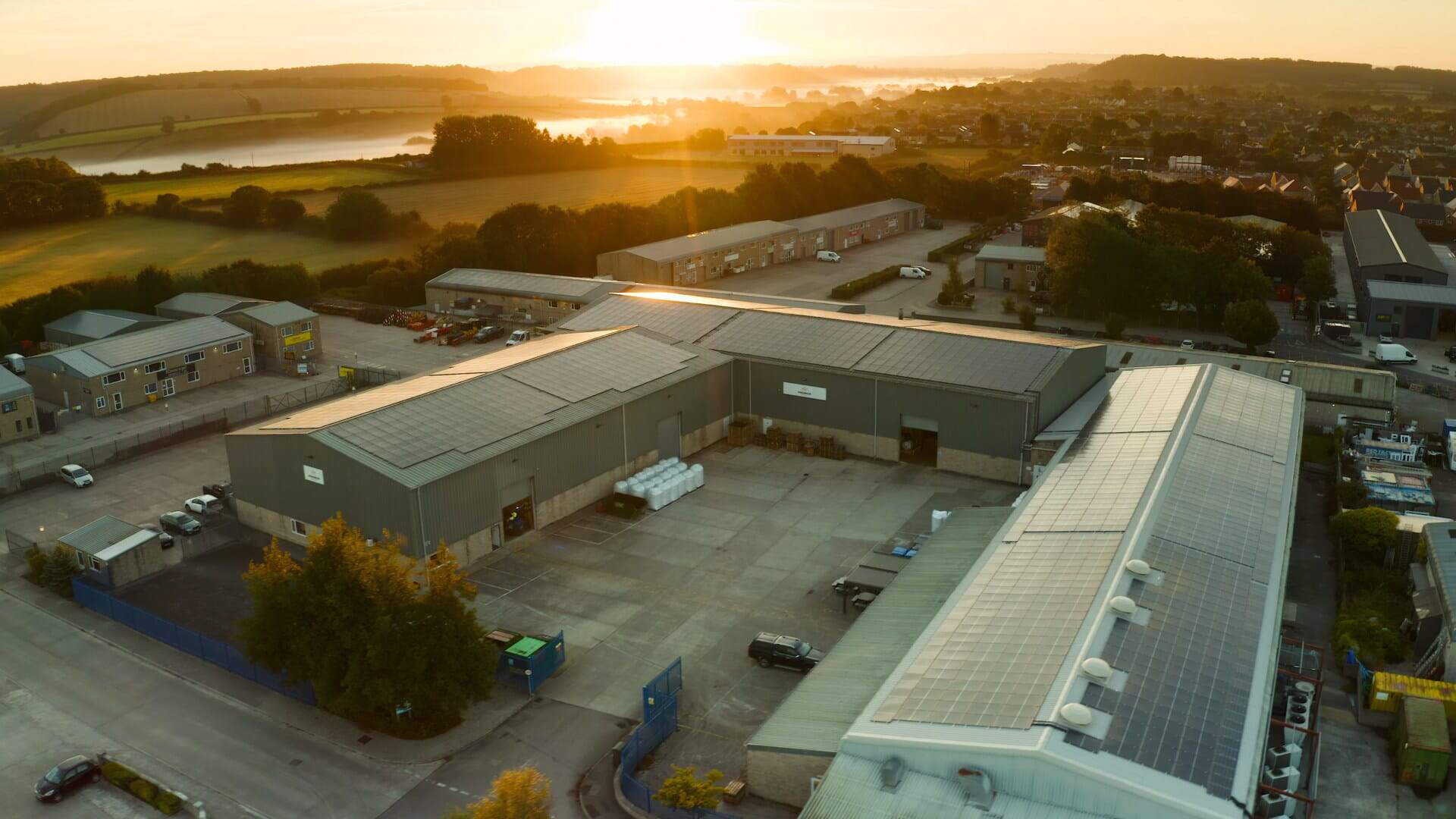
The most useful exhibition footage often captures the things that are impossible to bring to the venue: a complete production line, a controlled clean-room process, a large installation or a team working safely inside a specialist facility. This is where professional video production turns a limited stand footprint into a window onto the wider business.
For manufacturers and engineering companies, authenticity is especially valuable. Real operators, real processes and real working conditions provide evidence that polished marketing claims cannot replace. Filming planned sequences during normal production can communicate capability while respecting safety, confidentiality and the rhythm of the site.
Give sales teams practical versions to use
A silent stand loop is only one deliverable. The same production can provide a concise product film for scheduled meetings, shorter clips for social media, a version for email follow-up and individual process sequences that salespeople can open on a tablet.
This modular approach gives the commercial team material suited to different stages of the conversation. A visitor may notice a striking automated process on the main screen, watch a more detailed explanation with a salesperson and later receive a short film focused on the application they discussed. Consistent footage keeps that journey connected.
If automation is central to the story, examples of industrial automation video can help shape the balance between wide operational context and detailed machine action.
Plan the shoot around the event deadline
Exhibition dates do not move, so production planning should work backwards from the day final files must reach the stand contractor or event team. Time is needed for discovery, scripting, site permissions, filming, editing, stakeholder feedback and delivery in every required format.
It is also sensible to identify approval responsibilities before filming begins. Technical teams can check accuracy, marketing can protect brand consistency and sales can confirm that the film answers the questions visitors actually ask. A clear review process prevents conflicting feedback at the final stage.
Where a new machine or product is due to launch at the show, build contingency into the schedule. If final equipment is not available early enough, existing footage, 3D animation, graphics and carefully filmed components can still create an effective story without making unsupported claims.
Capture material that keeps working after the show
The strongest return rarely comes from the exhibition days alone. A planned industrial shoot can create an organised library of interviews, factory scenes, product details and process footage. Those assets can support website pages, recruitment, presentations, distributor communications and future campaigns.
To make that possible, the shot list should look beyond the immediate screen loop. Capture clean sequences with enough duration for future edits, alternative compositions for horizontal and vertical formats, and contextual details that establish the people and environment behind the technology. Securing the right permissions at the outset makes later reuse simpler.
Measure value through better conversations
Views on a stand screen are difficult to count accurately, but the film can still be assessed in practical ways. Ask the exhibition team whether it attracted the right visitors, shortened explanations, prompted useful questions or helped introduce a product more consistently. Track engagement with follow-up videos and landing pages after the event.
The goal is not simply to fill a screen. It is to make complex industrial capability easier to notice, understand and remember. When the message, footage and delivery formats are planned together, industrial video production becomes part of the exhibition sales process rather than decoration for the stand.
If you are preparing for a trade show or product launch, contact Industreel to discuss a production plan that works at the event and continues delivering value afterwards.