Export growth asks an industrial company to build confidence before a prospect has visited the factory, met the engineering team or seen the equipment operating. That distance can make technically strong businesses difficult to assess. Industrial video production helps close the gap by showing facilities, people and processes in a form that international buyers can understand and share.
A purposeful film can introduce a manufacturer to new territories, support local distributors and give decision-makers evidence of capability. It also creates a consistent message across markets, while leaving room for translated versions and application-specific edits.
Make capability visible from a distance
International prospects often begin their research online. They may compare suppliers across several countries without arranging an initial site visit. A video gives them an immediate view of the scale, condition and organisation of a manufacturing operation.
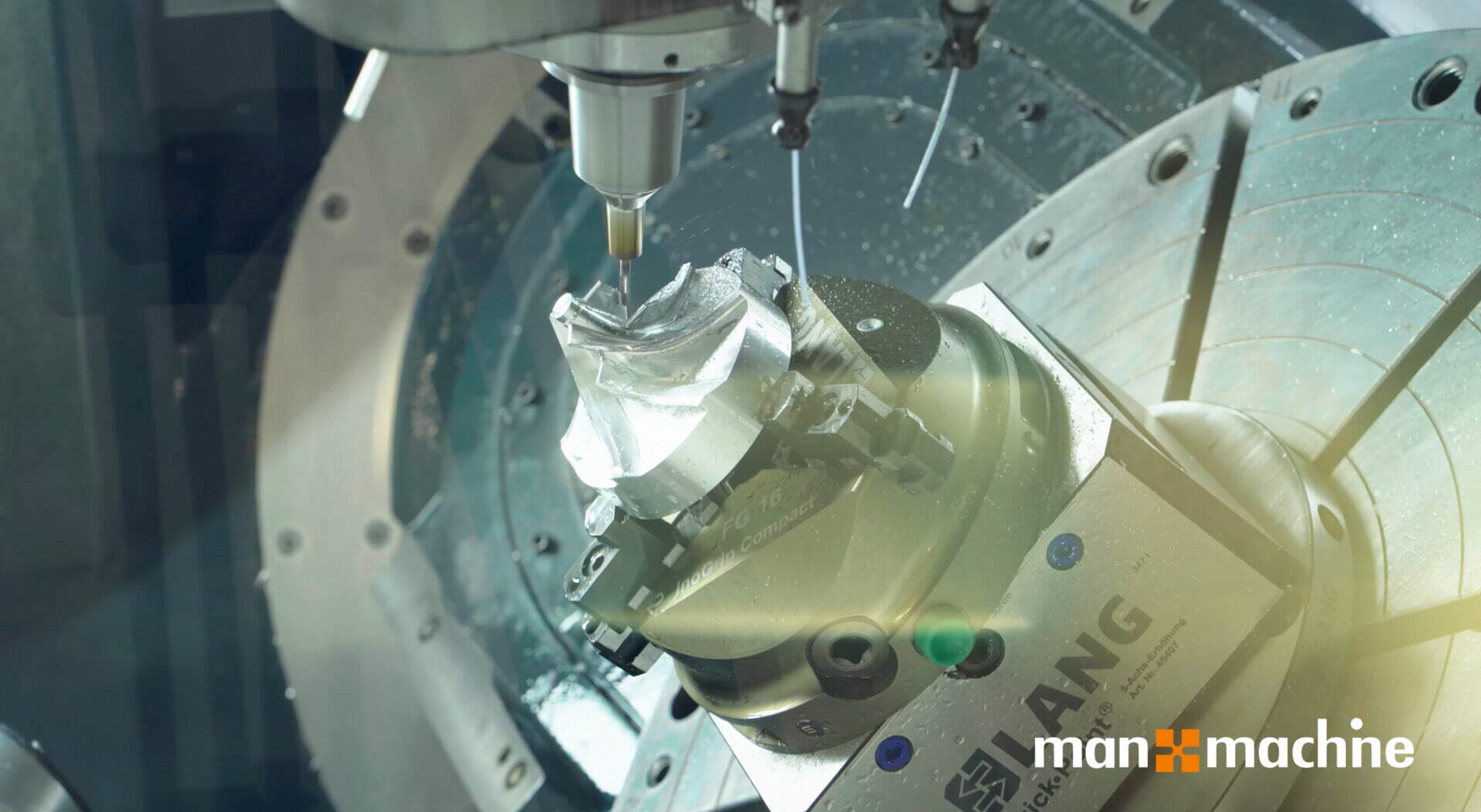
Wide images can establish the facility and production flow. Detailed sequences can show tooling, inspection, automation, operator skill and finished components. Together, these shots turn general claims about quality or capacity into something tangible.
This does not mean revealing confidential information. A filming plan can identify approved areas, products and screens in advance, allowing the business to demonstrate credibility while protecting customer data and proprietary processes.
Lead with the needs of the target market
An export film should not simply repeat a domestic company overview. Different territories may value different applications, certifications, service arrangements or delivery capabilities. Research from sales teams and distribution partners can identify the questions that need answering first.
The central story should remain clear and simple: the customer problem, the relevant industrial capability and the outcome the business helps create. Supporting detail can then be adapted for individual sectors or regions without rebuilding the production from the beginning.
Professional video production helps organise that message around real evidence, creating a film that remains accessible to non-specialists without losing the technical substance buyers expect.
Plan for translation before filming
International versions are easier to create when localisation is considered at the script stage. Short, direct sentences translate more reliably than idioms or dense promotional language. Technical terms, units and product names should be agreed before recording begins.
A voiceover can be replaced for each language, while subtitles offer a flexible option for websites, presentations and social channels. On-screen graphics should leave enough space for translated text, which may be longer than the English version. Keeping important words away from the edges also makes it easier to prepare different screen formats.
Where several versions are expected, clean footage and separate audio, text and graphics layers give the editor room to localise efficiently. This approach protects visual consistency across territories while letting each market communicate naturally.
Give distributors practical content
Distributors need more than a single corporate film. They may require a short introduction for a sales meeting, a silent loop for an exhibition, product-specific clips for email and concise social edits that point prospects towards a local contact.
Planning a group of outputs from one shoot makes that possible. The main film can tell the complete story, while shorter pieces focus on processes, products or applications. Versions can include regional contact details and calls to action without changing the core footage.
A simple usage guide is valuable too. It can explain which asset suits each stage of the sales journey, where approved files are stored and how they may be presented. This helps international partners use the material consistently rather than creating unapproved copies.
Demonstrate automation and technical expertise
Automation can be a significant differentiator in export markets, but complex systems are not always easy to describe in writing. Video can follow a complete sequence, reveal the relationship between machines and show the level of control behind repeatable production.
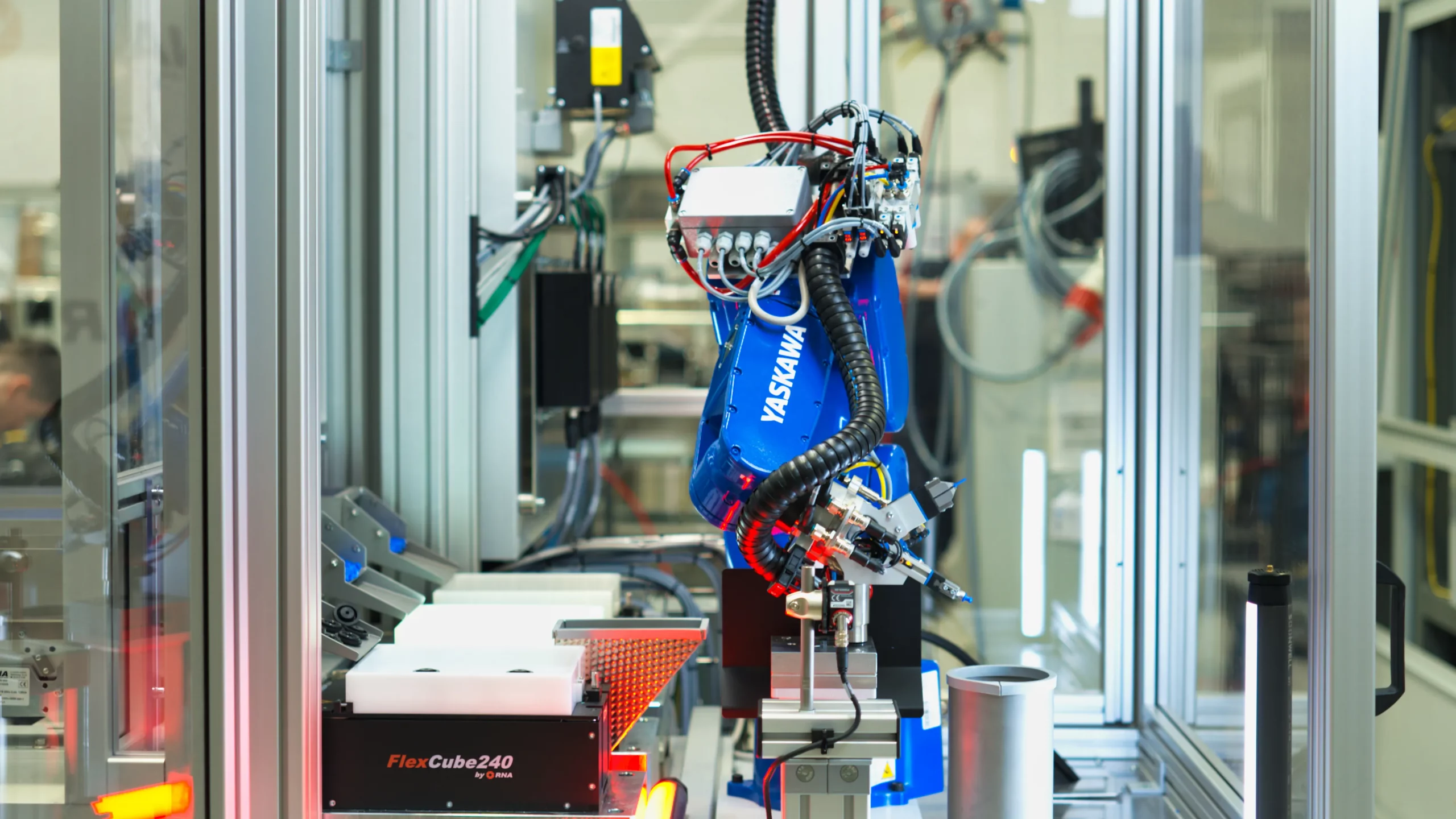
Close-ups, careful camera movement and clear graphics can highlight sensors, robotics, inspection stages and data interfaces. Examples of industrial automation video demonstrate how technical detail can be placed within a wider operational story.
Interviews with engineers or applications specialists can add further authority. Short explanations of a design decision, quality check or integration approach show that the company offers expertise as well as equipment.
Build trust through people and service
Export customers need confidence that support will continue after an order is placed. Featuring the people responsible for engineering, project management, commissioning or after-sales service can make an unfamiliar supplier feel more accessible.
Rather than delivering scripted sales statements, contributors can explain how the team manages projects, communicates with customers and solves practical challenges. Genuine answers, supported by relevant workplace footage, help viewers understand the culture behind the product.
If remote support, international installation or distributor training is available, it should be shown accurately. A clear description of how assistance is delivered can remove an important source of uncertainty for overseas buyers.
Create an adaptable footage library
Export strategies change as new territories and applications emerge. Capturing a well-organised library during the main production gives marketing teams material they can reuse without returning to the factory for every campaign.
The shot list should include clean process sequences, multiple product angles, contextual factory views, team interactions and details that communicate precision. Alternative horizontal and vertical compositions make future delivery across websites, presentations and social channels easier.
Good file organisation is part of the value. Clearly named masters, approved translations and accessible source clips allow internal teams and partners to find the right material without compromising quality.
Connect video to a measurable export journey
A film works best when it leads somewhere useful. It might direct a viewer to a regional product page, a distributor, a technical download or a demonstration request. Tracking those actions provides more meaningful information than view counts alone.
Sales teams can also report whether video improves early conversations, answers repeated questions or helps stakeholders share the opportunity internally. That feedback can guide future edits and identify subjects that deserve a dedicated technical film.
Industrial video production cannot replace local relationships, but it can help those relationships begin with greater understanding. By making capability visible, supporting translation and equipping international partners with credible content, a manufacturer can present itself consistently wherever the next opportunity appears.
If you are preparing to enter new territories or support an established distributor network, contact Industreel to plan video content around your export objectives.