Recruiting skilled people into manufacturing and engineering is difficult when candidates cannot picture the work, the environment or the technology they would encounter. Job descriptions can explain responsibilities, but they rarely communicate the scale of a facility, the quality of its equipment or the character of the team. Industrial video production helps businesses make those details visible.
A well-planned recruitment film can show prospective employees what the company actually does and why the work matters. It gives technical candidates a clearer view of the operation before they apply, while helping employers present a credible alternative to generic recruitment advertising.
Show Candidates the Real Working Environment
Factory and engineering roles vary enormously between businesses. Two positions with similar titles may involve completely different machinery, processes and levels of responsibility. Video provides context that a written advert cannot.
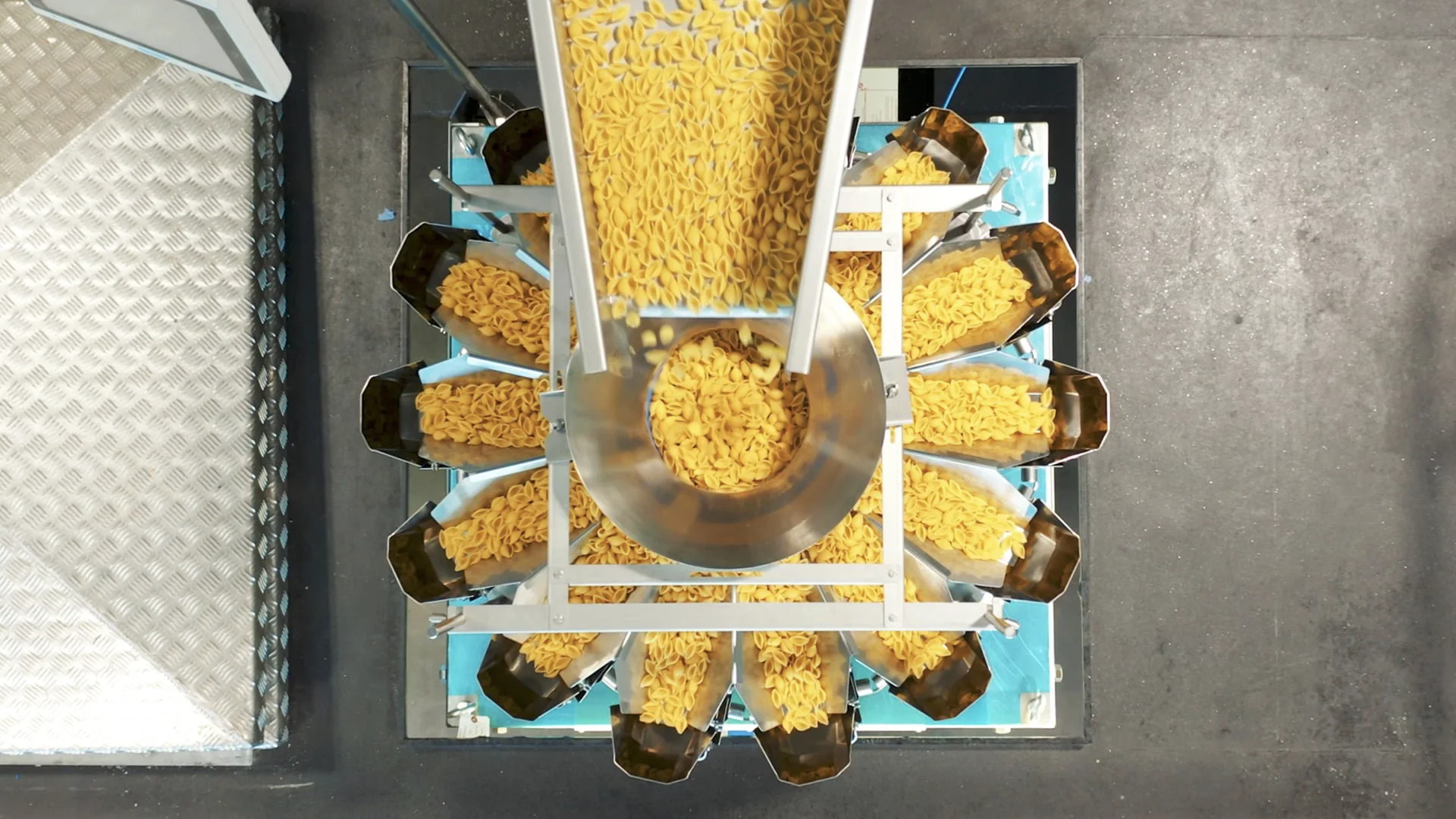
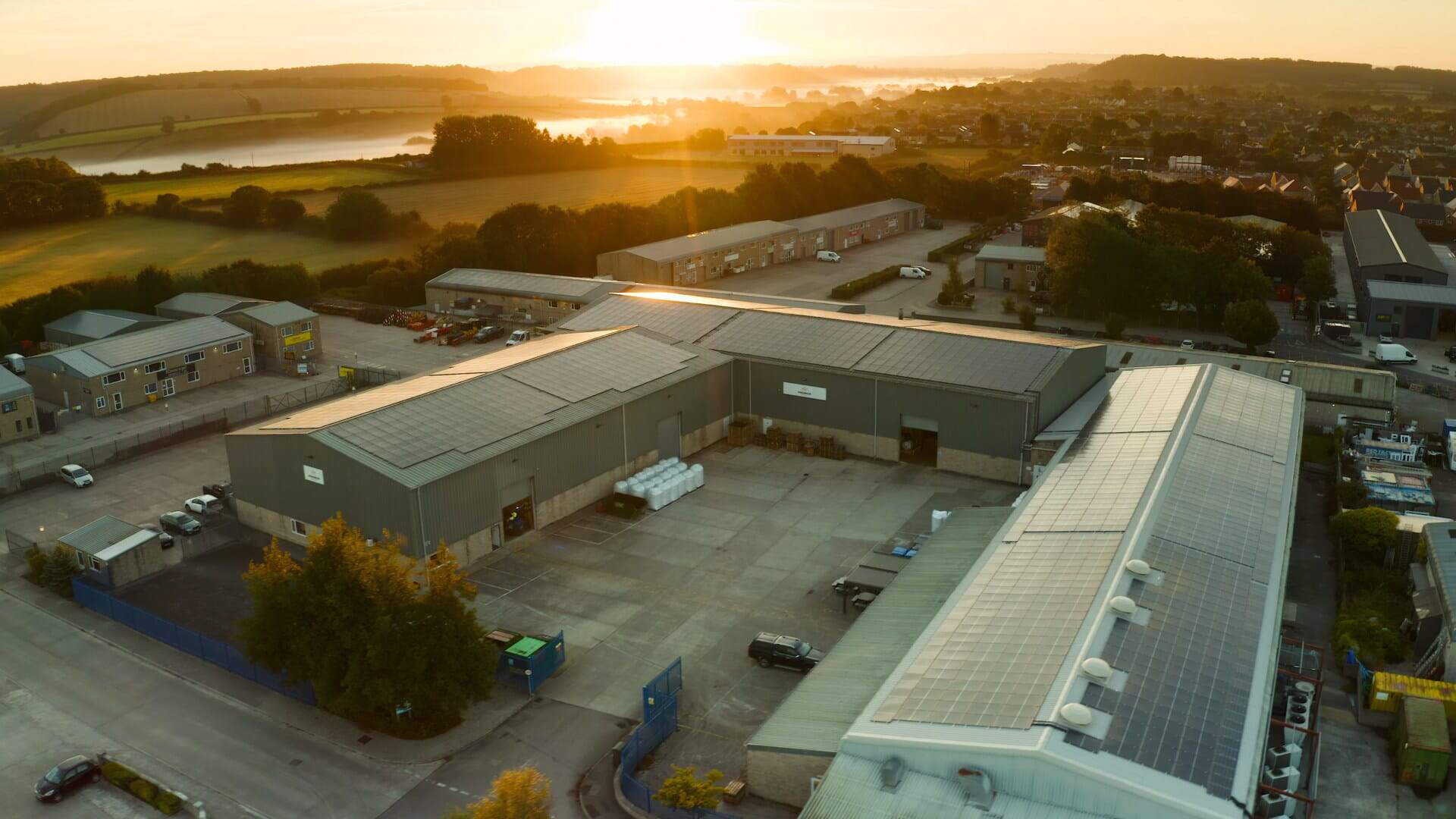
Wide shots can establish the size and organisation of a facility, while detailed footage can show the tools, controls and production systems used every day. Candidates can see whether the environment is highly automated, focused on specialist craftsmanship or built around large-scale production.
This transparency helps attract people who are genuinely interested in the role. It can also reduce uncertainty for candidates who have never worked in that particular part of industry.
Put Employees at the Centre of the Story
Existing employees are often the most convincing voices in a recruitment video. They can explain what their role involves, how they developed their skills and what they value about the business.
Interviews should feel natural rather than scripted. Prepared questions can guide the conversation while allowing contributors to speak in their own words. Their comments can then be supported with footage of the work being discussed, giving the audience both explanation and evidence.
At Industreel, our video production approach connects employee stories to the wider operation. This helps a recruitment film feel like an authentic view of the company rather than a collection of corporate statements.
Communicate the Value of Technical Work
Many manufacturing roles contribute to products and systems that people encounter every day, but the connection is not always obvious from a job title. Video can show how an individual task fits into the complete process and why precision, reliability or problem-solving matters.
An engineer may be improving an automated cell, an operator may be maintaining consistent quality or an apprentice may be learning several production stages. Showing these contributions helps candidates understand the purpose behind the work.
This is particularly important when recruiting younger people or candidates moving from another sector. A clear visual story can make unfamiliar roles more accessible without oversimplifying their technical content.
Demonstrate Investment in Technology and Skills
Experienced candidates want to know whether a company invests in its equipment, facilities and people. Industrial footage can make that commitment visible through modern machinery, organised workspaces, training activity and collaborative engineering.
For automation businesses, an industrial automation video can show the complexity and variety of systems that employees help design, build or maintain. The movement of robots, feeders, conveyors and inspection equipment immediately communicates the technical nature of the opportunity.
Training and progression can also be shown rather than merely promised. Footage of apprentices working alongside experienced colleagues, teams reviewing designs or operators learning new equipment helps candidates see how development happens in practice.
Reach Different Types of Candidate
A single recruitment campaign may need to speak to apprentices, experienced engineers, production operators and managers. One film cannot give every role equal depth, but a planned production can generate several focused edits from the same filming period.
The main company film can introduce the culture and operation. Short employee profiles can explore individual roles, while process clips can be used in job adverts and social campaigns. Vertical versions can support mobile platforms, and subtitled edits can work effectively when candidates watch without sound.
This content library gives recruitment teams more relevant material throughout the year. It also creates consistency, because every role is presented through the same visual style and honest view of the business.
Support Recruitment Across Multiple Channels
Industrial recruitment video can be used on careers pages, job listings, LinkedIn, exhibition screens, apprenticeship events and direct outreach. The format should reflect where the candidate is in the process.
A short clip may create initial interest, while a longer careers film can answer questions after someone visits the website. Employee stories can be shared before interviews to give candidates a better understanding of the team and working environment.
Recruiters can also use video when speaking with schools, colleges and training providers. Showing real technology and real employees makes technical career routes more tangible than a presentation built entirely from text.
Plan Filming Around Normal Operations
Recruitment footage needs to feel authentic, but filming must still respect production schedules and site safety. The brief should identify the roles, locations and processes that best represent the workplace, then coordinate access with managers and supervisors.
Employees should understand how the footage will be used and have the opportunity to participate willingly. A clear schedule keeps interviews and filming from placing unnecessary pressure on teams during busy periods.
Noise, personal protective equipment and restricted areas also affect the setup. Interviews may be recorded in a quieter location, then combined with relevant footage from the factory floor. This preserves clear sound while keeping the finished film visually connected to the work.
Balance Ambition With Honest Representation
A recruitment film should present the business at its best without creating an unrealistic picture. Candidates will eventually experience the site for themselves, so credibility matters more than exaggeration.
Professional lighting, camera movement and editing can make an industrial environment engaging while still preserving its real character. Showing genuine processes and employee perspectives builds trust and helps candidates decide whether the opportunity suits them.
That honesty can improve recruitment quality. People who apply after seeing the workplace and understanding the role are better informed than those responding to a vague description.
Measure Recruitment Outcomes
The value of a recruitment video can be reviewed through application quality, careers-page engagement, campaign response and feedback from candidates. Hiring teams can also note which questions the film answers and where additional content would be useful.
Some benefits are qualitative. Candidates may arrive at interviews with a stronger understanding of the company, or employees may feel proud to share a film that represents their work accurately. These signals can guide future role profiles and recruitment campaigns.
Build a Long-Term Recruitment Asset
Industrial video production can help engineering and manufacturing businesses compete for skilled people by making the opportunity easier to understand. The strongest films combine real work, credible employee voices and a clear sense of how each role contributes.
Industreel films manufacturing, automation and engineering environments across the UK. If your business needs recruitment content that shows its technology, people and working culture with clarity, contact Industreel to discuss a production built around your hiring priorities.