A clear industrial video production brief gives everyone a shared understanding of what the film needs to achieve. It helps the client, production team and people on site prepare for the same outcome, reducing uncertainty and making better use of valuable filming time.
The brief does not need to prescribe every shot or editing decision. Its purpose is to explain the business objective, audience, working environment and essential information that must appear. With those foundations in place, the creative approach can be developed around real priorities rather than assumptions.
Define the Main Business Objective
Start by deciding why the video is being commissioned. A company overview, customer case study, process film, recruitment video and product launch all require different structures. Trying to cover every possible message in one production can make the final film unfocused.
A useful objective describes the change the film should create. The aim might be to help prospects understand a complex service, give sales teams stronger evidence, introduce a new facility or show potential recruits what working for the company is really like.
At Industreel, our video production planning begins with this commercial purpose. It gives every later decision—from interview questions to camera positions—a clear point of reference.
Identify the Primary Audience
An industrial video may be seen by engineers, procurement teams, senior managers, investors, prospective employees or the general public. Each audience has different knowledge and concerns, so the brief should identify who matters most.
Technical viewers may want to understand how a system operates, while commercial stakeholders may focus on capacity, reliability and project outcomes. If the film needs to serve several groups, define their order of importance and the essential point each should take away.
The audience also influences language. Specialist terminology can demonstrate expertise when viewers understand it, but unexplained jargon can exclude decision-makers who are less familiar with the process. A good film remains accurate while providing enough context for its intended viewers.
Clarify the Core Message
The core message should be expressible in one or two sentences. It might emphasise engineering capability, a proven customer result, investment in automation or the flexibility of a manufacturing process.
Supporting points can sit beneath that message, but they should not compete with it. A strong brief separates what the audience must remember from information that is useful but secondary. This helps the production team build a clear sequence and decide which details deserve the most screen time.
Evidence should be identified alongside each claim. If the business wants to communicate precision, the film might show inspection equipment and detailed workmanship. If the message is scale, wide facility views, production volumes and large machinery may provide the most convincing proof.
List the Processes and Locations to Film
The brief should outline the operational areas that need to appear and explain why each one matters. This may include raw material handling, machining, assembly, automated production, quality control, packing or dispatch.
Knowing the process sequence helps the crew plan a visual story. It also reveals practical dependencies: a particular product may run only on certain days, a machine cycle may take several hours or access may depend on another team.
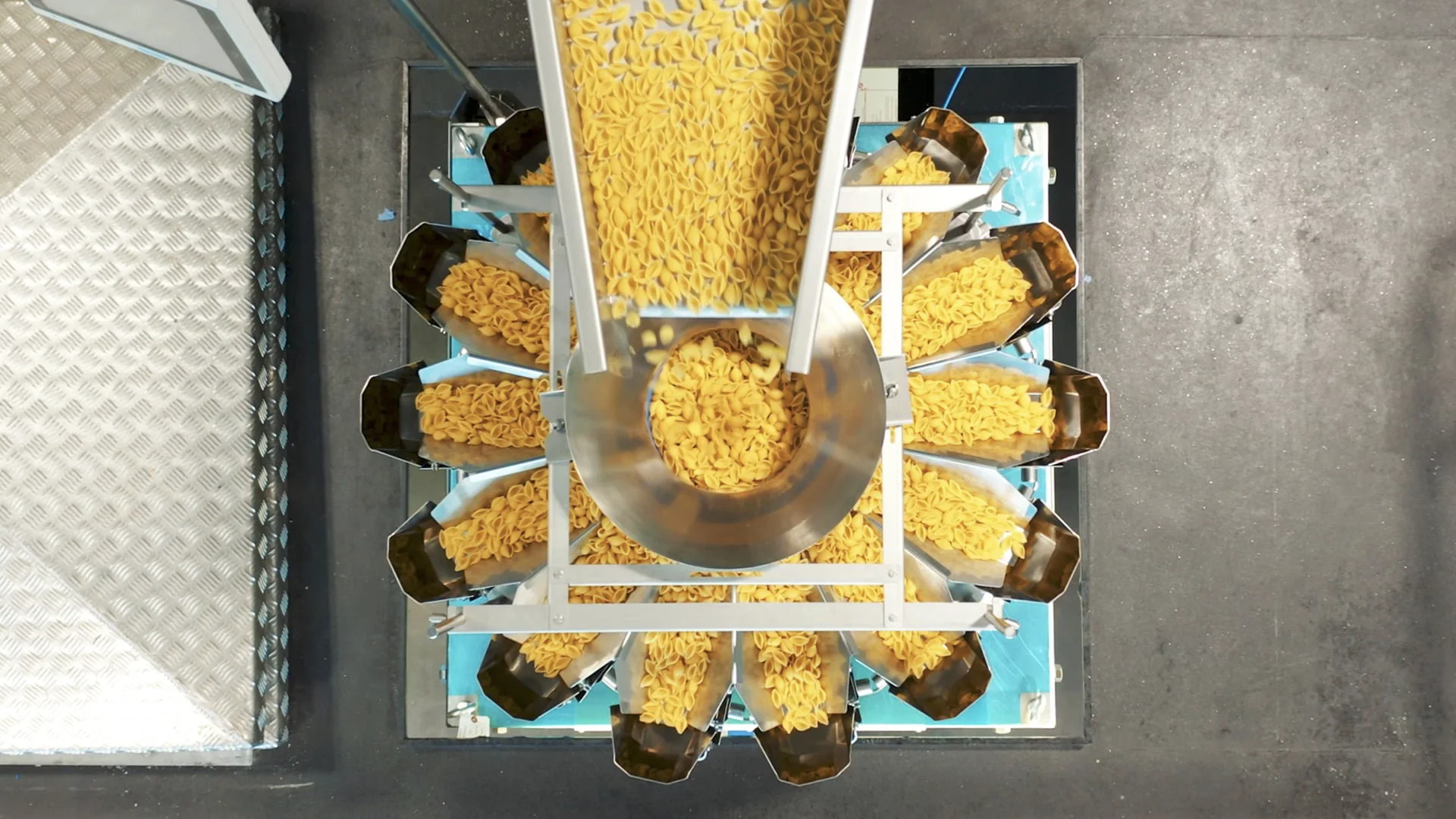
For industrial automation videos, the brief should identify the full operating cycle and the components that are essential to understanding it. Feeders, robots, conveyors, controls and inspection systems may each need distinct coverage before they can be shown working together.
Choose the Right Contributors
Interviews can explain the meaning behind the footage and introduce the people responsible for the work. The brief should identify possible contributors and the subject each person is best placed to discuss.
A managing director may provide the strategic overview, while an engineer can explain a technical challenge and a customer can describe the result. Selecting contributors by expertise creates more natural answers than asking one person to cover every topic.
It is helpful to note confidence and availability, but a full script is not normally required. Sharing themes and questions in advance gives contributors time to prepare accurate information while allowing the interview to remain conversational.
Explain Where the Video Will Be Used
A film intended for a website has different requirements from one designed for an exhibition screen or LinkedIn campaign. The brief should list the main channels, expected running time and any delivery formats required.
The primary edit may be supported by shorter versions, vertical clips, subtitled social content or silent exhibition loops. Identifying these outputs before filming allows the crew to frame shots appropriately and capture enough variation for each format.
Sales teams may need individual case-study sections they can share with specific prospects. Recruitment teams might require employee comments and workplace footage. Planning these needs together can turn one production day into a useful content library.
Record Practical Site Information
Industrial locations introduce access and safety considerations that should be included in the brief. Note induction requirements, personal protective equipment, restricted areas, vehicle routes and any equipment that affects where a camera can be positioned.
Noise levels, lighting conditions and available power can influence the technical setup. A loud production line may require interviews to be recorded elsewhere, while reflective metal or dark machinery may benefit from controlled lighting.
The brief should also name the site contact who can coordinate the schedule and provide updates during filming. This helps the production move efficiently without repeatedly interrupting operators or supervisors.
Address Confidentiality and Permissions
Many facilities contain commercially sensitive machinery, customer information or proprietary processes. These restrictions should be discussed before the shoot rather than discovered when the camera is already running.
The brief can identify no-film areas, screens that must remain out of shot and details that require careful angles. It should also confirm whether employees, customers or third-party locations need releases or approval.
A clear review process protects everyone. Agree who will provide consolidated feedback, which technical or confidentiality checks are required and how many review stages are expected. This keeps revisions focused and prevents conflicting comments from delaying delivery.
Set the Schedule and Key Milestones
Include the preferred filming date, launch deadline and any events that affect delivery. Allow time for planning, site access, editing, stakeholder review and final exports rather than treating the shoot as the whole project.
The factory schedule is equally important. Product runs, maintenance, cleaning and shift changes can determine which processes are available. Sharing this information early allows the crew to create a shot plan that works with live operations.
A contingency plan is useful if a critical machine becomes unavailable. Alternative areas, interviews or supporting shots can keep the day productive while the site resolves operational issues.
Include Brand and Reference Material
Brand guidelines, logo files, fonts and colour references help keep titles and graphics consistent with existing communications. Previous films can also show what the business likes or wants to improve, even if the new production needs a different style.
Reference material should explain an intention rather than force an imitation. A client might like the pace of one film, the interview style of another or the clarity of particular animation. Identifying those qualities gives the creative team useful direction.
Build a Brief That Leaves Room for Expertise
The strongest brief is specific about outcomes and constraints while leaving room for the production team to solve visual problems. It explains what matters, who needs to see it and what evidence is available.
This balance leads to a more efficient shoot and a film with a clear role in the business. It also makes quoting, scheduling and review more accurate because important requirements are visible from the beginning.
Industreel specialises in industrial video production for manufacturers, automation companies and engineering businesses across the UK. If you are preparing a project and want help turning your objectives into a practical production plan, contact Industreel.