Cleanrooms and controlled manufacturing areas are designed to reduce variation, contamination and unwanted exposure. That discipline creates an unusual challenge for filmmakers: the environment is visually interesting, but access, equipment and crew behaviour must be planned far more carefully than on a conventional factory floor.
Industrial video production can show the precision behind a controlled process, introduce specialist teams and explain why the environment matters. Done properly, it respects the site’s procedures while giving customers, recruits and stakeholders a credible view of work they may never be able to observe in person.
Begin with the control requirements
The production plan should start with the rules of the area, not the desired camera shots. Site specialists need to explain gowning, material entry, cleaning, movement restrictions and any limits on the equipment that can cross the boundary.
Different zones may have different requirements. A camera approved for one room may not be permitted in another, and moving backwards through a controlled route may be impossible without repeating an entry procedure.
Mapping the filming sequence around those rules avoids unnecessary movement and helps the team capture the required footage efficiently.
Define the communication goal clearly
A cleanroom film can serve several purposes. It might demonstrate capability to a prospective customer, explain a process to non-specialists, support recruitment or document an important investment.
Each purpose requires a different level of technical detail. A customer film may focus on control, traceability and expertise. A recruitment piece can show the working environment and the people behind it. An internal programme may need a more procedural structure.
Professional video production helps turn that brief into a focused story while keeping the site’s restrictions at the centre of the approach.
Choose equipment that fits the environment
Large crews and extensive lighting setups are rarely practical in a controlled space. A compact kit can reduce entry time, cleaning requirements and disruption to normal activity.
Battery life, media capacity and lens selection need to be considered before entry because swapping equipment may require another controlled transfer. The crew should arrive with a clear shot order and only the approved items needed for that session.
Where lighting cannot be introduced, camera settings and lens choice become especially important. Tests outside the area can confirm that the equipment will perform reliably under the existing illumination.
Show the complete controlled journey
The process often begins before the main manufacturing room. Footage of preparation, gowning and controlled entry can help viewers understand that environmental discipline is continuous.
Wide images establish the room layout and separation of activities. Medium shots show operators moving through the process, while close details reveal tools, sealed materials, inspection and handling methods.
The sequence should represent the genuine workflow. Asking an operator to move in a way that improves the frame but conflicts with procedure is never acceptable.
Protect product and process confidentiality
Controlled environments frequently contain sensitive customer products, formulations, screens and documents. A detailed shot list allows the site to approve what may appear before cameras enter.
Camera angles can exclude confidential areas, and approved demonstration materials can replace live customer work where necessary. Screens may be filmed with controlled data or explained through purpose-built graphics.
The review process should involve the people responsible for quality and confidentiality, not only the marketing team.
Make invisible controls understandable
Airflow, pressure relationships, filtration and environmental monitoring are central to many controlled operations, yet they cannot be seen directly.
Simple diagrams and animation can reveal how zones relate to one another, how material moves or where monitoring takes place. On-screen labels can identify equipment without filling the image with technical text.
Every graphic should use approved terminology and avoid implying a level of classification or performance that has not been confirmed.
Show automation within the wider process
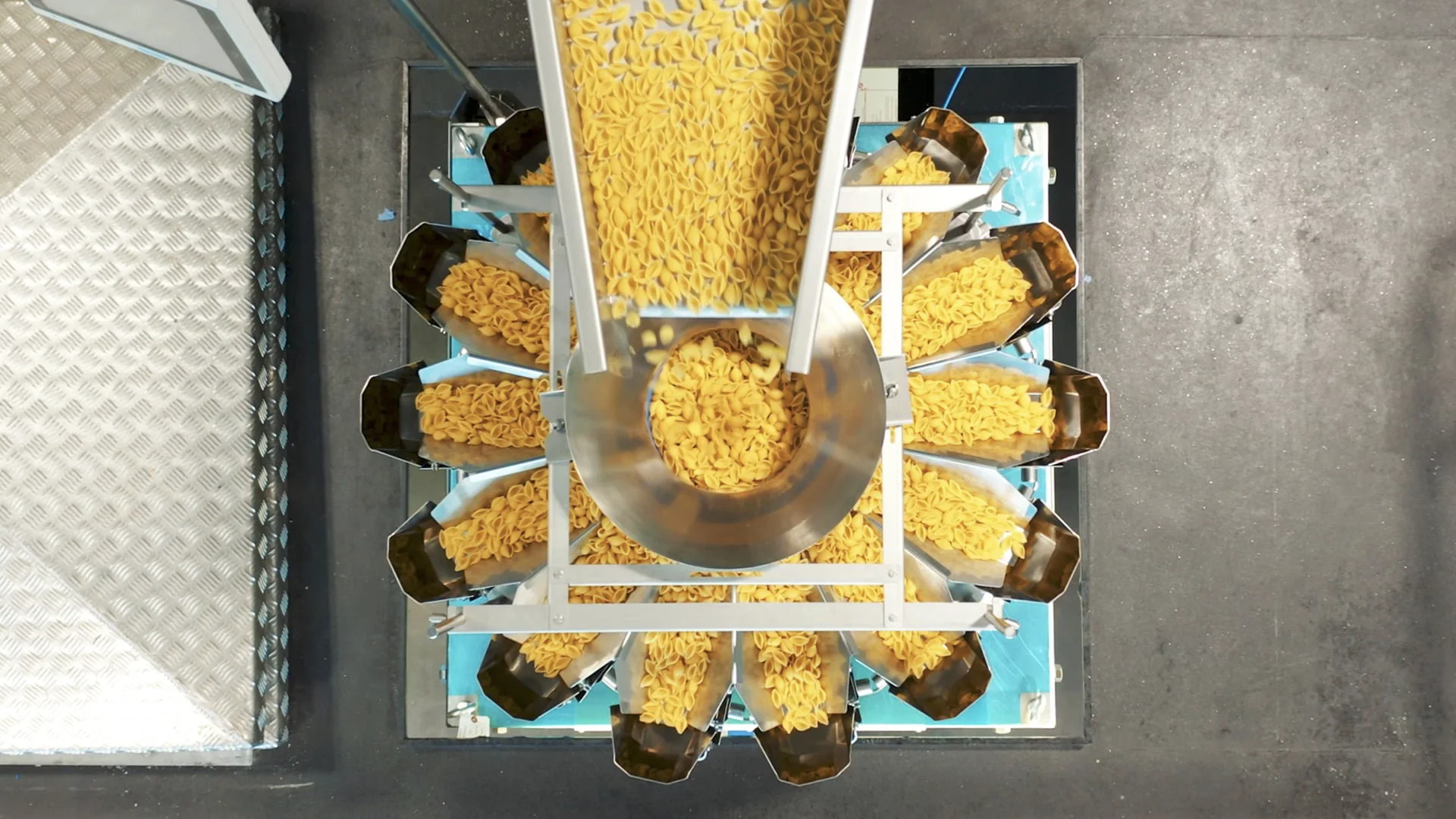
Controlled manufacturing may use robotics, enclosed handling and automated inspection to reduce contact or improve consistency. Isolated machine footage does not always explain how those systems support the complete operation.
Examples of industrial automation video show how wide process views, close mechanical details and interface footage can work together. Graphics can illustrate guarded movements or data flow without requiring the camera to enter restricted positions.
The film should also show where skilled people supervise, verify and respond to the system.
Prepare contributors before entry
Interviews may be easier to record outside the controlled area, where sound, lighting and time are easier to manage. Engineers, scientists and operators can explain what viewers will see, while supporting footage shows the process itself.
Where an interview must take place inside, questions and key points should be agreed in advance. This keeps the recording concise and reduces unnecessary time in the room.
Contributors are most convincing when they explain their own role, the controls they follow and why those controls matter.
Handle sound realistically
Ventilation, machinery and protective clothing can make clean speech difficult to record. Relying on live dialogue in every scene may produce poor results or complicate the approved clothing setup.
A separate voiceover can carry the main explanation. Carefully recorded natural sound still gives the film a sense of place, while captions make the content usable in noisy environments and improve accessibility.
Any microphones entering the controlled area must follow the same approval and cleaning requirements as cameras.
Create versions for different audiences
A main capability film can introduce the controlled operation, while shorter edits focus on individual processes, technologies or careers. Customer-facing and internal versions may need different levels of detail.
Planning these outputs before filming ensures that the limited access time captures enough clean footage and alternative angles. It also helps the site approve each intended use rather than approving a vague future library.
Files should be labelled with the date, area and relevant restrictions so footage is not reused after a process or facility has changed.
Maintain credibility through careful review
A visually polished film still needs technical accuracy. Quality specialists should check gowning sequences, process order, labels, environmental claims and any information shown on screens.
If the film references classification, standards or performance, those statements need formal approval. A general image of a controlled room should not be used to support an unsupported claim.
Industrial video production can make a restricted environment accessible without weakening the controls that define it. With careful preparation, a compact production approach and technical oversight, the film can reveal precision that would otherwise remain behind closed doors.
If you need to film a cleanroom or controlled industrial process, contact Industreel to plan the production around your access and quality requirements.