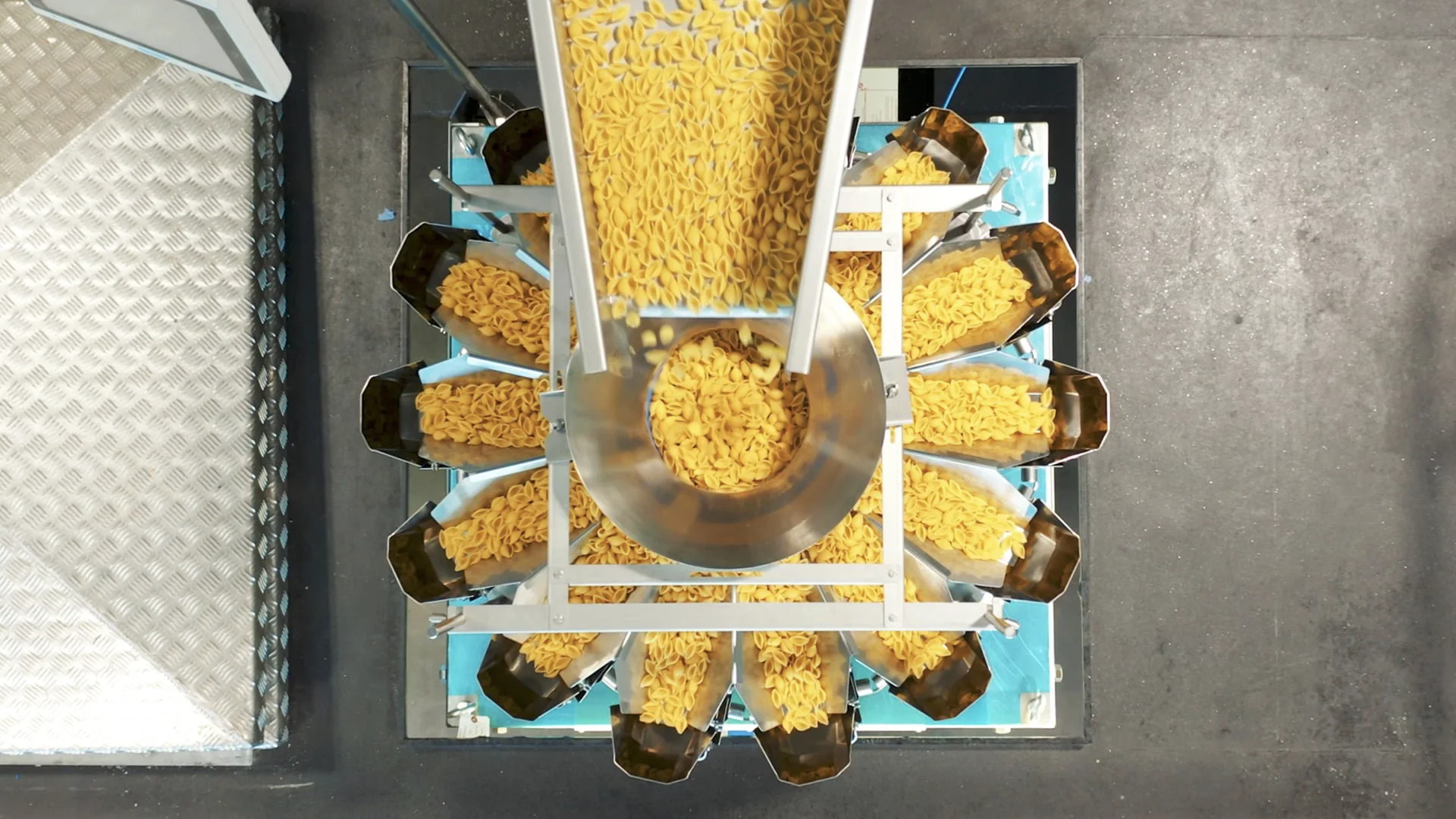
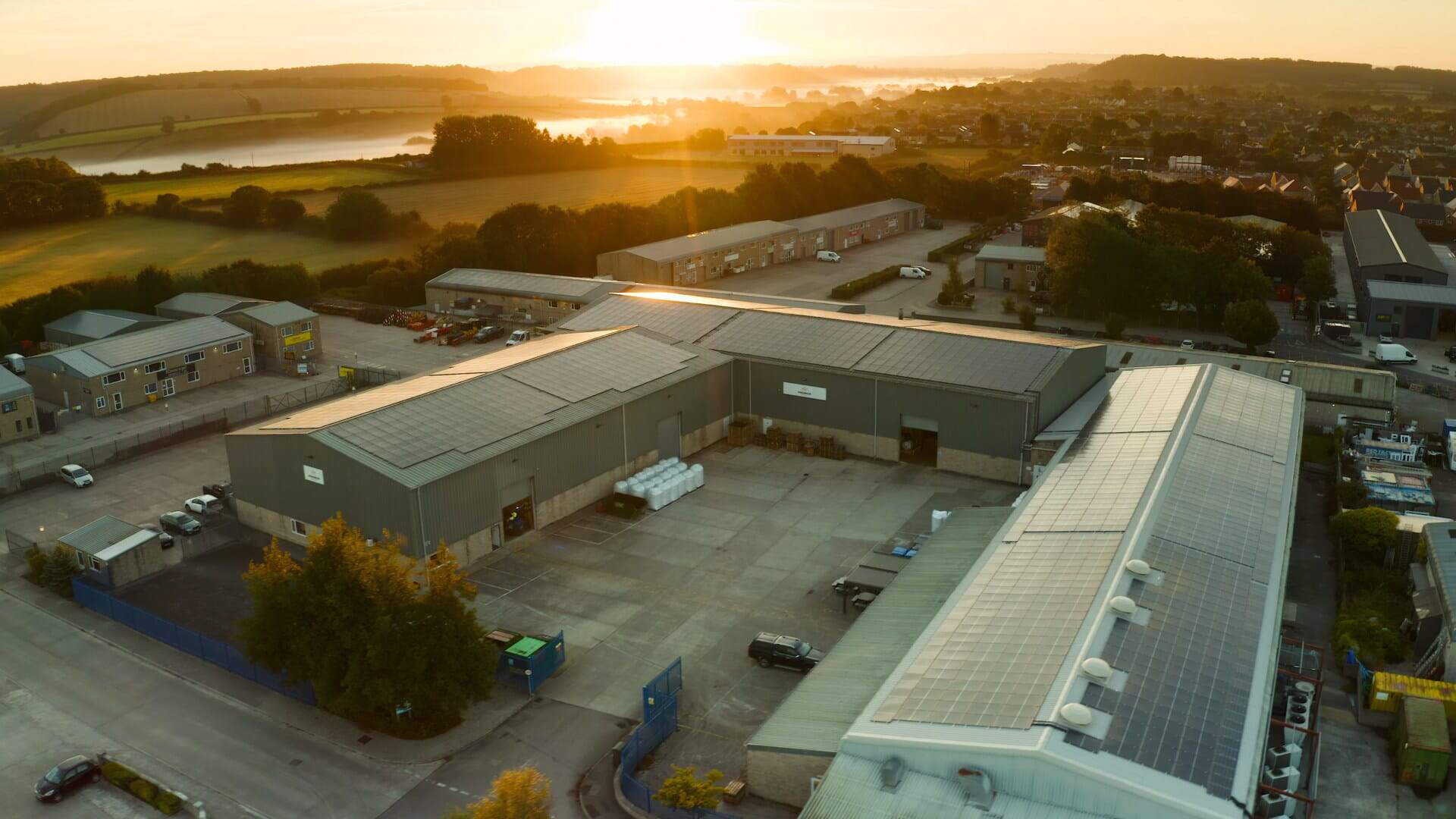
An industrial shutdown compresses a large amount of work into a short, closely managed window. Maintenance crews, engineers and contractors may inspect, replace and commission equipment before production resumes. Once the plant is running again, much of that work is hidden. Industrial video production can document the project and explain what was achieved without getting in the way of delivery.
A useful film begins with the operational purpose of the shutdown, follows selected milestones and shows the completed system in context. It can support stakeholder updates, future planning, recruitment and customer communication, while preserving a visual record for the teams involved.
Decide what the film needs to prove
Shutdown programmes can include hundreds of tasks. A film cannot and should not try to cover every work order. The project team should identify the few changes that best explain the programme: a major replacement, a critical inspection, an upgrade or a restart milestone.
The audience matters too. Senior stakeholders may need a concise account of scope, progress and outcome. Engineers may value more detailed installation and commissioning footage. Employees might want to see how the work affects their area when production returns.
Agreeing those purposes before filming gives the crew a focused shot list and helps avoid collecting footage that looks busy but says little.
Capture the plant before it stops
Footage of the operation before shutdown establishes a baseline. It shows where the targeted equipment sits, how material moves through the line and why access during normal production is limited.
Returning to the same camera positions after the project gives viewers a clear comparison. If the work is mostly inside a vessel, enclosure or control system, an engineer can explain the original condition while graphics identify the part that will change.
Care is needed with performance claims. A visual before-and-after is compelling, but it does not by itself prove an improvement in output, reliability or energy use. Those statements should come from approved measurement.
Plan around a moving schedule
Even a carefully planned turnaround changes as inspections reveal new information and tasks move between crews. The filming plan should follow critical milestones rather than assume that everything will happen at a fixed hour.
A named contact in the shutdown team can flag when a short-lived stage is approaching: equipment removal, delivery of a replacement, a lift, first energisation or a test run. Short, well-timed visits may be more useful than leaving a camera crew on site throughout the programme.
Professional video production can work with that flexibility while maintaining a consistent story across filming days.
Give safety and access priority
Shutdown sites may contain simultaneous operations, temporary routes, lifting equipment and areas under isolation. Camera access must be approved through the same site controls as any other activity.
A pre-production walk-through should establish where the crew may stand, what protective equipment is required and who can authorise access as conditions change. Fixed cameras, long lenses and agreed observation points can capture valuable footage without placing filmmakers inside active work zones.
No activity should be repeated or altered solely for the camera if that would add risk or delay the programme. The shot list remains subordinate to the safe system of work.
Show the work that will disappear
Some of the strongest evidence is only visible while equipment is open. Internal components, worn parts, new pipework, cable routes and inspection points may all be concealed after reassembly.
Close details can reveal what was replaced or improved, while wider images show how the task fits within the plant. A technician or engineer can add a short explanation of the decision, the access challenge and the significance of the new component.
Technical reviewers should check this footage before publication. It may contain confidential processes or imply a condition that needs careful context.
Explain several trades working together
A turnaround succeeds through coordination as much as individual technical skill. Mechanical, electrical, controls, safety and operations teams often depend on one another’s milestones.
Video can reveal those handovers: a component being installed, an electrical check, control-system testing and an operator preparing for restart. Brief interviews with the relevant leads help viewers understand the sequence and the decisions behind it.
The result is more informative than a montage of tools and hard hats. It shows a planned programme progressing through real dependencies.
Make controls and automation visible
Some shutdown projects involve software, instrumentation or integrated automation. Their most important changes may not be obvious from external machine footage.
Approved interface images, diagrams and animation can show how a new sensor, drive or control strategy connects to the wider process. Examples of industrial automation video demonstrate how machine footage and restrained graphics can explain a connected system.
Any on-screen values, labels or claims should be checked by the project engineers. A commissioning display is not necessarily the same as the final operating configuration.
Document testing and restart accurately
Restart is a meaningful milestone, but the first successful movement is not always the end of commissioning. A film should distinguish between an initial test, a controlled run and normal production.
Capturing the sequence of checks, approvals and staged operation shows the care involved in bringing the plant back online. Where a final result is still being measured, the edit can state what has been completed and what will be monitored next.
This factual approach is more credible than claiming success before the evidence is available.
Create short updates as well as a final film
A long shutdown may benefit from concise progress pieces for internal stakeholders. A few approved images and a clear explanation of the current phase can keep teams informed without exposing sensitive information.
The final film can then draw on the same footage to tell the complete story. Shorter versions may focus on a particular upgrade, contractor partnership or technical capability.
Planning these outputs early ensures that interviews and camera angles work for more than one format. Captions help when the videos are watched in noisy industrial settings.
Build a record for the next turnaround
After production resumes, footage can support future planning. It shows access conditions, component positions and the practical sequence of a task that may not recur for years.
For that purpose, files should be labelled by date, plant area, equipment and project stage. Sensitive or training-related footage may need to remain in a controlled library rather than appear in the public film.
Industrial video production gives a shutdown a clear visual record while helping others understand the planning and expertise behind a brief period of intense work. The best results come from early coordination, safe access and a story built around real milestones.
If you are planning a plant turnaround or major shutdown project, contact Industreel to discuss a filming plan that fits the programme.