Industrial video production can turn a complex handover into a practical resource that people can use on the shop floor, in a training room or during a customer visit. When a new machine, process or production cell is introduced, a well-planned film gives operators a consistent visual reference and helps technical teams explain the reasons behind each step.
That value is especially clear when experienced staff are expected to transfer knowledge quickly. A video captures the sequence, terminology and small decisions that are often difficult to document in a manual. It also gives sales, service and operations teams a shared source of truth long after the filming day has finished.
Why process handover needs more than a written manual
Written procedures remain important, but they do not always show timing, movement or the relationship between different parts of a process. A viewer can see where an operator stands, how materials enter a work area and what a normal cycle looks like. That context makes the written instructions easier to understand and gives new starters a clearer mental model of the work.
Video is also useful where a process includes visual checks. The correct finish, alignment, safety position or changeover condition can be demonstrated rather than described with ambiguous language. For specialist manufacturers, that clarity can reduce repeated explanations and help teams maintain a consistent standard across shifts and sites.
Plan the film around real operator decisions
The strongest training films are built around the decisions an operator actually has to make. Before filming, identify the points where someone must check a reading, confirm a setting, recognise an abnormal condition or ask for assistance. These moments should shape the structure of the video, rather than simply recording a machine from start to finish.
A useful brief should define the audience, the expected skill level, the process outcome and the situations that require escalation. It should also state whether the finished film is for internal training, customer handover, service support or a mixture of uses. The industrial video production service can then be planned around the practical job the content needs to do.
Show the complete process, not just the machinery
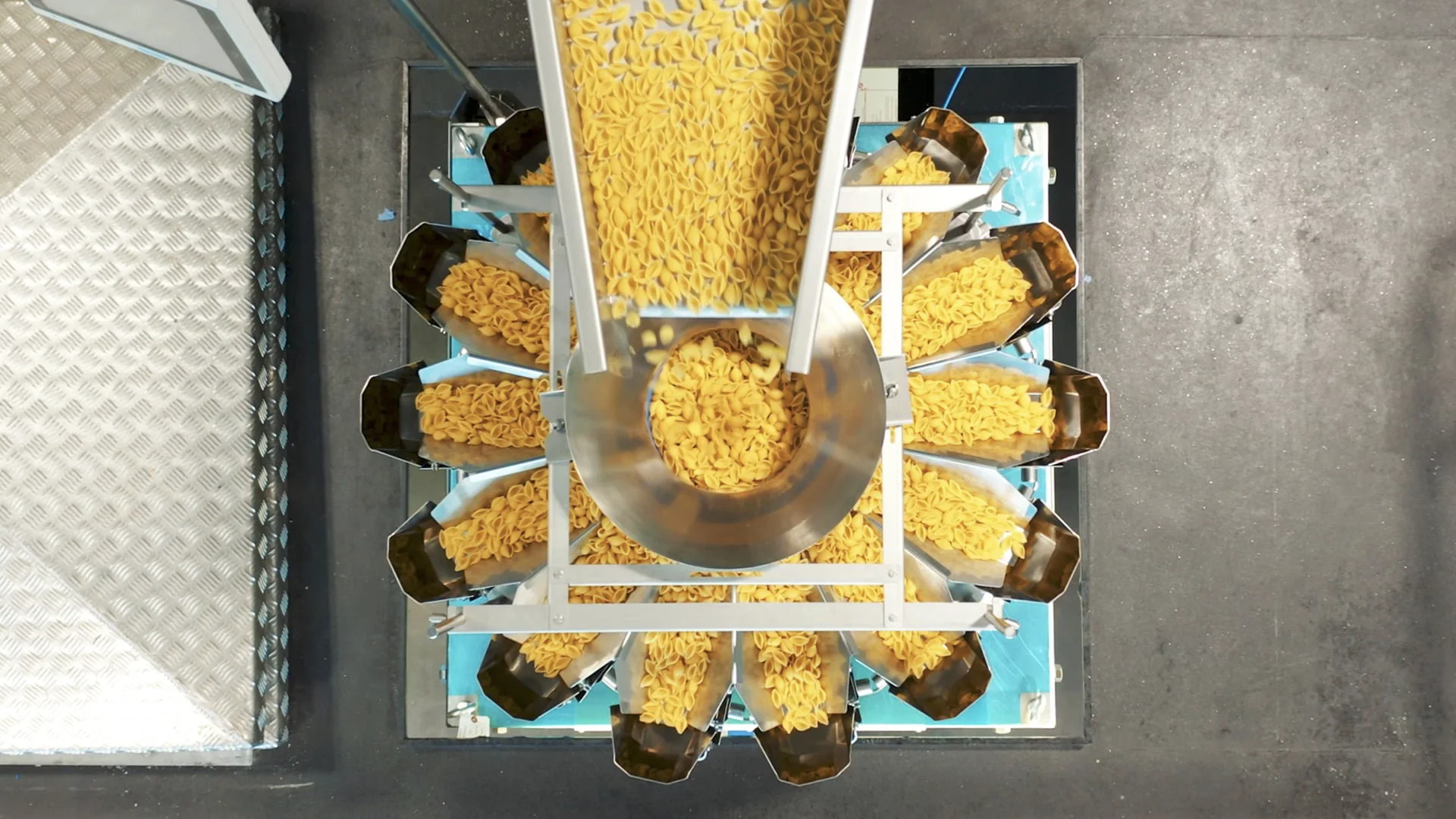
People learn a process more effectively when they can see its beginning, middle and end. Establishing shots can explain the work area, while close-ups reveal controls, tooling, components and inspection points. Cutaways of preparation, housekeeping and finished output help connect individual actions to the wider production goal.
It is also worth filming normal variations. A short section showing a material change, a routine adjustment or a common quality check can be more useful than a polished demonstration with every condition made perfect. The aim is not to create a dramatic equipment showcase; it is to give viewers a reliable guide to working safely and consistently.
Make safety and quality visible
Safety information should be integrated into the action. Show the required personal protective equipment, exclusion zones, isolation points and safe approach to the equipment where those details affect the task. A concise voiceover or on-screen label can reinforce the reason for each control without interrupting the flow of the demonstration.
Quality checks deserve the same attention. Film the inspection from the operator’s viewpoint and capture what an acceptable result looks like. If a gauge, software screen or measurement tool is involved, use shots that make the reading legible. These details can support refresher training and help supervisors identify where additional coaching is needed.
Create versions for different stages of the handover
One long film rarely serves every audience equally well. A practical handover package might include a short overview for managers and customers, a detailed operator sequence, and focused clips for setup, cleaning, changeover or fault reporting. Shorter chapters are easier to revisit and can be embedded in an internal knowledge base or learning platform.
Consider subtitles, transcripts and clear chapter titles from the start. They improve accessibility and make the content easier to search. If the equipment will be used internationally, a visual-first structure also makes later localisation more efficient because the images carry much of the instruction.
Film without disrupting production
Production environments change constantly, so the schedule should be designed around access, safety and operational priorities. A pre-shoot visit helps identify the best camera positions, lighting conditions, noise levels and moments when the equipment can be shown without compromising output. It also gives the crew time to agree permissions and protect confidential information.
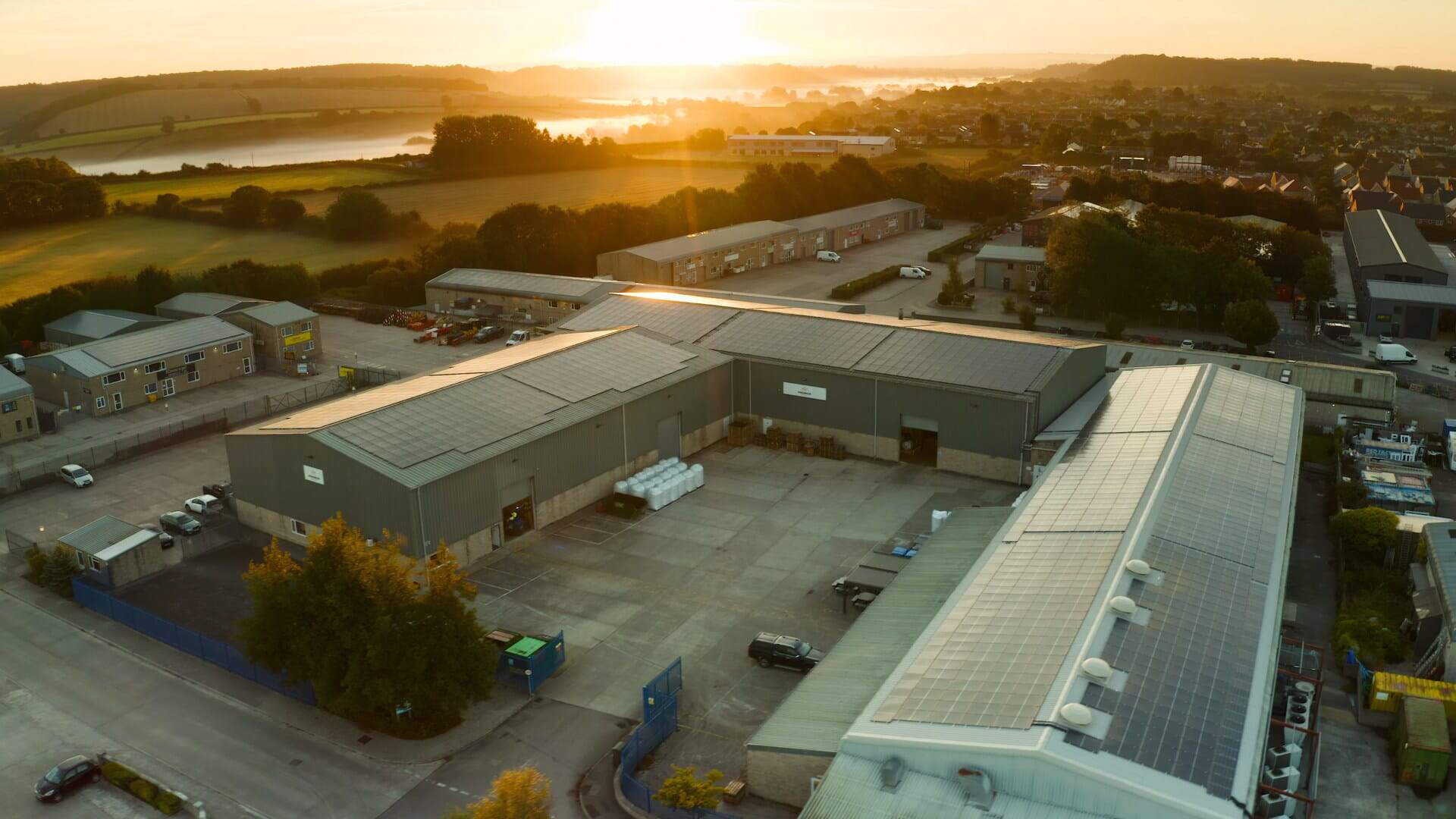
Experienced industrial filming keeps the process practical: crews work around live operations, ask focused questions and capture enough detail to make the final edit useful. For wider manufacturing communications, the manufacturing video production approach can connect operator knowledge with the story of the facility, the people and the product.
Measure whether the video is doing its job
After publication, ask supervisors and trainees where the film saves time and where questions remain. Track completion, repeat viewing and the subjects that generate follow-up requests. These signals can guide a second round of focused clips and help keep the training library aligned with the real process.
Industrial video production works best when it is treated as part of the handover system, not as a standalone marketing asset. With a clear audience, a process-led script and carefully chosen demonstrations, video can preserve expertise, support safer working and give every new operator a dependable starting point.