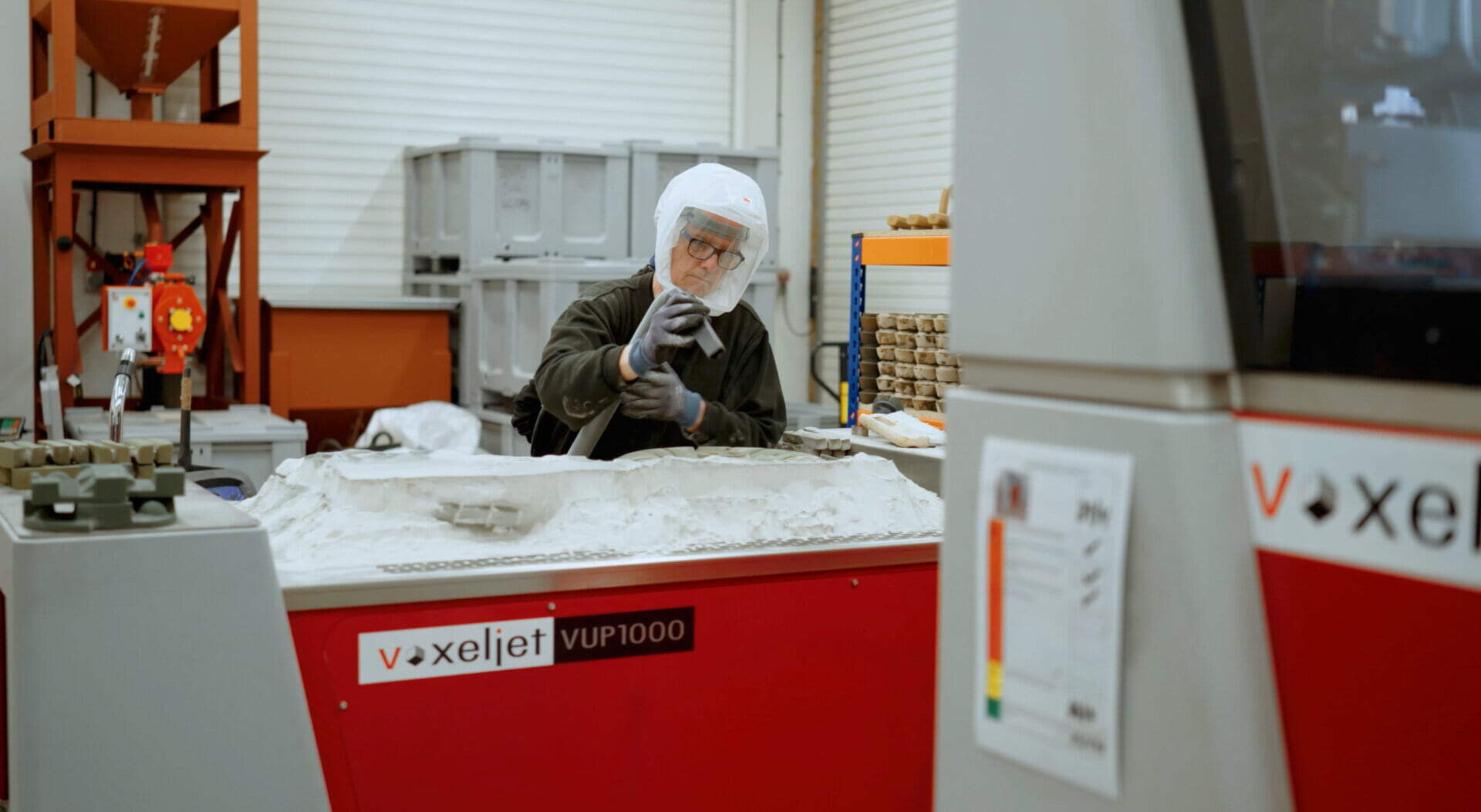
Industrial buyers rarely make a decision from a specification sheet alone. They want to understand how a machine, system or service performs in conditions that resemble their own operation. A well-planned customer case study gives them that context. It shows the starting problem, the decisions made, the work carried out and the operational result in a way that is easier to remember than a page of claims.
Industrial video production is particularly effective for this purpose because it can connect technical detail with lived experience. Viewers can see the environment, hear from the people involved and follow the process from challenge to outcome. For manufacturers, engineering firms and specialist suppliers, that combination creates proof that supports the sales conversation without turning the customer into a scripted spokesperson.
Why customer evidence matters in industrial markets
Most industrial purchases involve several people with different priorities. An engineer may be checking performance, a production manager may be concerned about downtime, and a finance director may need confidence that the investment will deliver a measurable return. A customer case study can address these concerns together by showing what changed in a working facility and why the solution was selected.
The strongest films avoid vague statements such as “excellent service” or “great results”. Instead, they use specific evidence: a shorter changeover, improved throughput, fewer manual interventions, more consistent quality or a safer way of completing a task. The exact measures will vary, but the principle is the same. The audience should finish the film with a clearer understanding of the business value and the practical conditions behind it.
This is where preparation matters. Before filming, the production team should identify the customer’s original challenge, the decision criteria, the implementation stages and the result that can be supported publicly. A clear interview structure helps contributors explain the project naturally while keeping the story useful for prospects who have not yet encountered the same problem.
Building a credible case-study narrative
A useful industrial case study normally follows a straightforward sequence. It begins with the operating context: what the customer makes, how the site works and where the pressure point appeared. It then explains the response, including the constraints that shaped the project. Finally, it demonstrates the outcome through first-hand testimony, process footage and carefully chosen data.
That structure gives the viewer a reason to keep watching. It also prevents the film from becoming a product demonstration with a customer logo added at the end. The customer remains the main character, while the supplier’s expertise is demonstrated through the decisions, questions and results that move the project forward.
Interview questions should encourage detail rather than praise. Asking what the team tried first, what risk they needed to control, or what became easier after implementation will usually produce more valuable answers than asking whether the customer is happy. In an industrial setting, authentic language is an advantage. Technical contributors do not need to sound like presenters; they need the space to explain what happened clearly.
Showing performance without overclaiming
Visual evidence makes the case study more persuasive, but it should be selected with discipline. Film the equipment in normal operation, the surrounding workflow, the controls or inspection points that matter, and the people responsible for using the solution. Close-up details can explain quality and craftsmanship, while wider shots establish scale and show how the work fits into the site.
Results should be presented with enough context to remain credible. If a project reduced downtime, explain the period being compared and the process that produced the improvement. If output increased, show whether the change came from capacity, scheduling, automation or a combination of factors. Clear qualification is not a weakness; it signals that the supplier understands the operational reality behind the number.
Where commercial or customer-sensitive information cannot be shown, the story can still demonstrate value through observable changes. A revised layout, a simplified operator routine, a faster inspection sequence or a more stable production rhythm can all help viewers understand the outcome without exposing confidential data.
Planning the shoot around a live customer site
Customer case studies require careful coordination because filming takes place inside an operating business. The production plan should account for access, safety inductions, personal protective equipment, restricted areas, shift patterns and any process that cannot be interrupted. A short technical recce can identify the best interview locations, useful activity windows and the shots that need to be captured before or after production starts.
It is also important to agree approvals early. The customer may need to review names, figures, product references or views of the facility before publication. Establishing those boundaries during pre-production keeps the edit focused and avoids losing useful material late in the process. For a broader overview of planning and messaging, see our industrial video production service.
Making the film useful beyond the sales meeting
A strong case study should be designed as a working sales asset rather than a single finished video. The main film can support a website page, a proposal or a customer meeting, while shorter extracts can answer specific questions about implementation, reliability, training or return on investment. Subtitles, a clear opening summary and concise chapter points make the content easier to use across different channels.
The same production can also help internal teams. Sales colleagues gain a practical example to share, marketing teams receive authentic customer language, and technical staff can contribute evidence that is grounded in real use. With a clear distribution plan, one carefully produced customer story can continue supporting conversations long after the original project has finished.
If you are considering a customer case study, start by identifying the project that has the clearest operational change and the customer who can explain it with confidence. Then define the evidence that can be shared, the audience that needs to be persuaded and the next action you want the viewer to take. To discuss a suitable approach, visit our contact page.