Prototype reviews are where industrial ideas face their first serious test. A design may look convincing in a CAD model, but clients, production teams and investors need to understand how the physical product behaves, how it is assembled and what has changed between one version and the next. Industrial video production gives those conversations a shared point of reference. Instead of relying on marked-up drawings or a short meeting around a workbench, stakeholders can see the prototype being used, tested and refined.
For engineering businesses, the value is not simply making a prototype look impressive. The strongest films explain the decisions behind it: which problem the design addresses, how the mechanism works, what evidence supports the next stage and where further development is needed. That makes video useful across design reviews, customer feedback, internal approvals and future sales conversations.
Making a prototype understandable beyond the design team
Prototype knowledge is often concentrated in a small group of engineers. They understand the terminology, the intended use case and the compromises made during development. A wider audience does not have that background. A well-planned production translates the technical story into a sequence that anyone involved in the decision can follow.
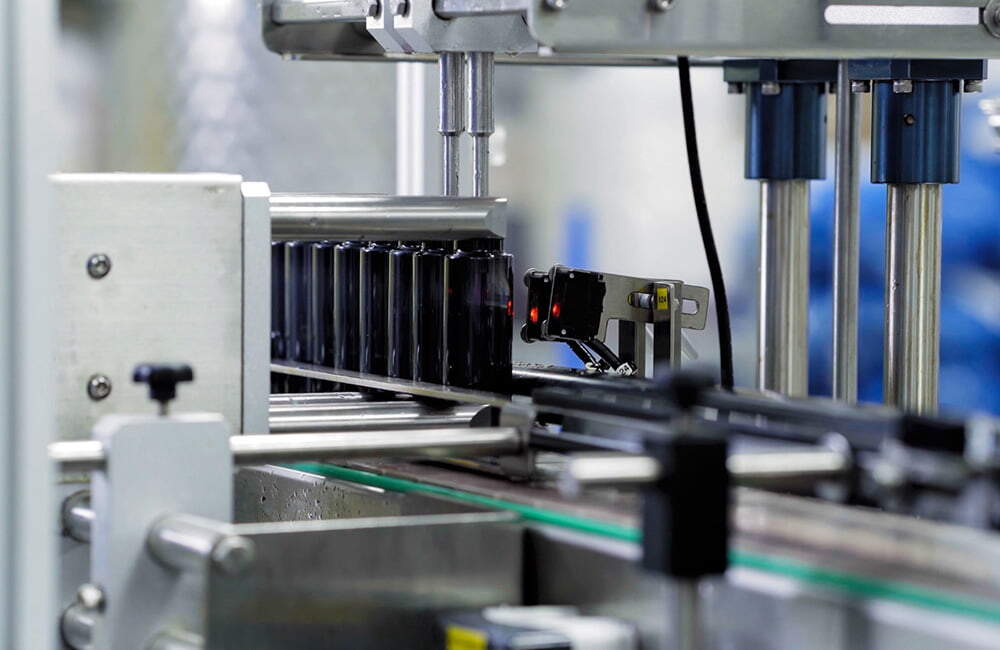
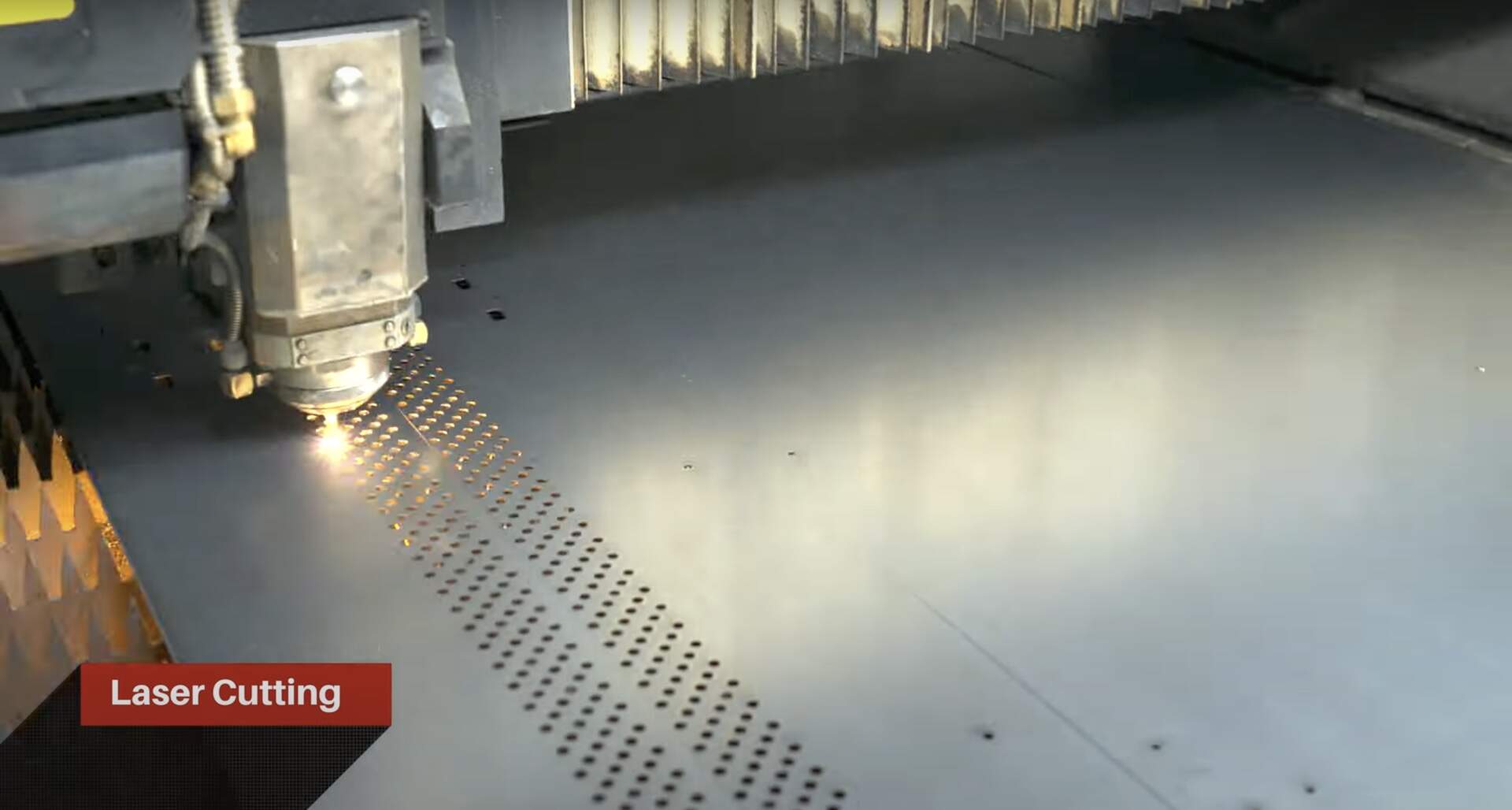
That sequence might begin with the operational challenge, move to the prototype in context, and then examine the components or process that make the solution work. Close-up photography can show an interface, moving part or material finish, while wider shots establish scale and working conditions. Cutaways, diagrams and carefully recorded commentary can answer the questions that a single product photograph cannot.
This is particularly helpful when a design review includes procurement, operations, commercial or customer representatives. They may not need every engineering calculation, but they do need confidence that the design is purposeful, testable and ready for the next conversation.
Capturing the review process as evidence
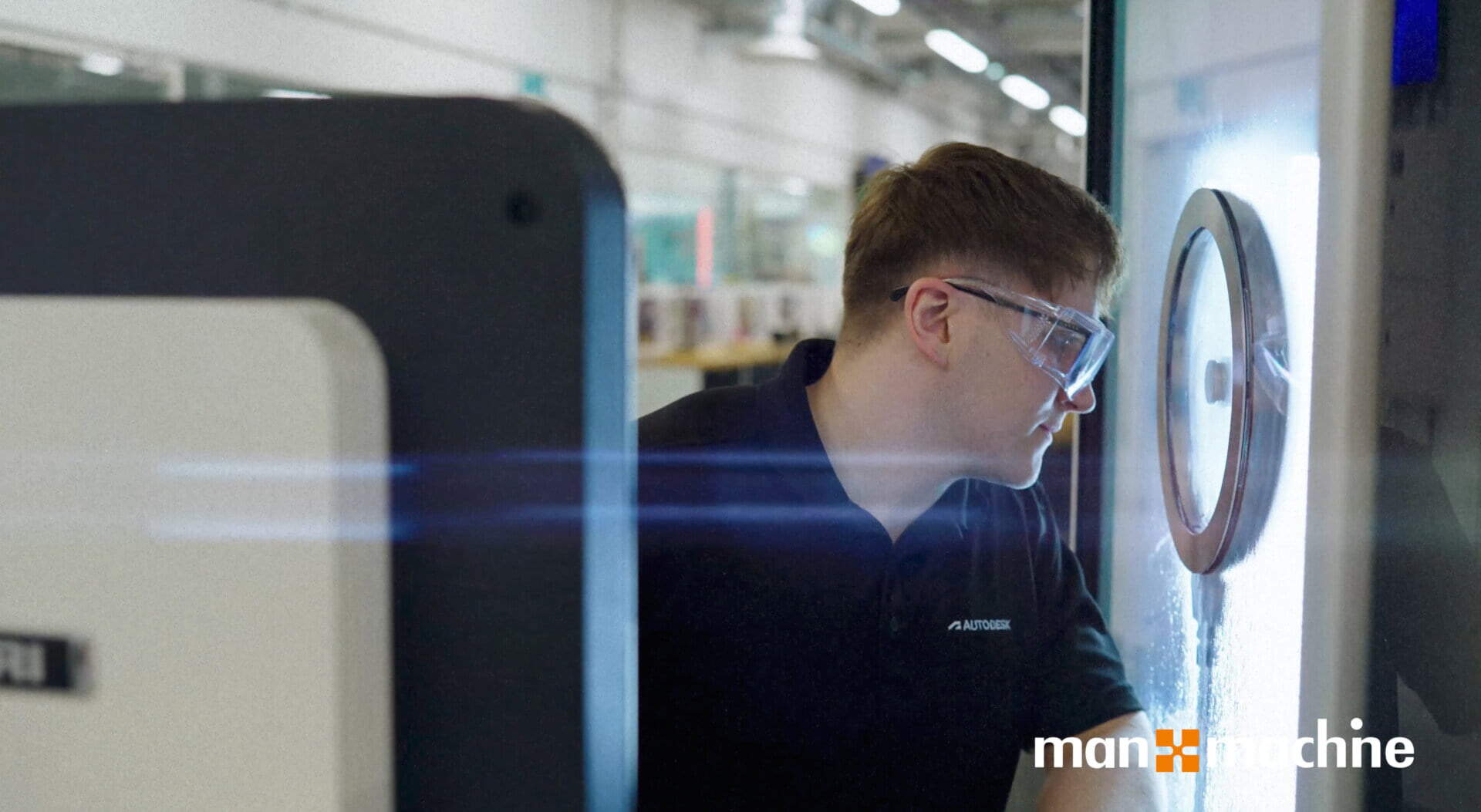
A prototype video can also become a disciplined record of how a design was assessed. The production team can plan shots around the review criteria: fit and access, movement, operator interaction, safety features, maintenance points, installation steps or performance under realistic conditions. Recording these details while the prototype is available creates useful evidence before the build moves on or the test environment changes.
Preparation matters here. A simple filming brief should identify the version number, the key design questions, the people who need to comment and any areas that must remain confidential. It should also distinguish between what is proven and what is still provisional. Clear labelling in the edit protects credibility and prevents an early prototype from being mistaken for a finished production model.
This same approach supports machine commissioning and site acceptance, where visual records help different teams agree on what has been demonstrated. Prototype review footage can later be combined with test results, installation footage or customer feedback to create a fuller development story.
Showing design intent, not just finished surfaces
Industrial products are often judged by details that are easy to overlook on camera. A handle may have been repositioned to improve access. A guard may have changed to make cleaning easier. A control interface may have been simplified after operator trials. These are meaningful design decisions, but they rarely communicate themselves without direction.
Industrial video production should therefore give the reviewer a reason to notice each detail. A short demonstration can show the old and new interaction. A sequence filmed from the operator’s point of view can reveal reach, visibility and sequence of use. An engineer’s explanation can connect the visible change to a practical benefit rather than leaving the audience to guess.
When appropriate, the edit can also point viewers towards supporting material such as technical documentation and knowledge bases. The film does not replace drawings, specifications or test reports; it makes those resources easier to understand and easier to use.
Planning a film that survives several project stages
The best prototype productions are planned with reuse in mind. A master film may support a formal design review, while shorter edits explain one feature to a customer or demonstrate a revised assembly to a production team. Clean interviews, isolated process shots and well-recorded natural sound give the business more options later.
It is also worth considering how the footage will age. Avoid describing a temporary component as final unless that is confirmed. Capture neutral shots of the workshop, test rig and surrounding operation so the story remains useful when the design changes. Record enough detail to make the prototype recognisable without exposing commercially sensitive information that should not leave the development team.
That forward planning turns one filming day into a practical communication asset. It can support customer onboarding and equipment handover, sales enablement, internal training and future case studies, provided the footage is organised and the claims remain accurate.
Turning design review footage into confident decisions
A prototype does not need to be perfect to be worth filming. It needs a clear purpose and a review process that can be seen. When the film shows the problem, the design response, the test conditions and the next decision, it gives stakeholders something concrete to discuss. Questions become more specific, feedback is easier to compare and approvals can happen with less ambiguity.
For engineering and manufacturing businesses, that is the real role of industrial video production in prototype validation. It makes development visible without oversimplifying it, preserves knowledge while a product is still changing and gives technical teams a credible way to bring more people into the review. The result is not just a polished presentation, but a durable record of why the design is moving forward.