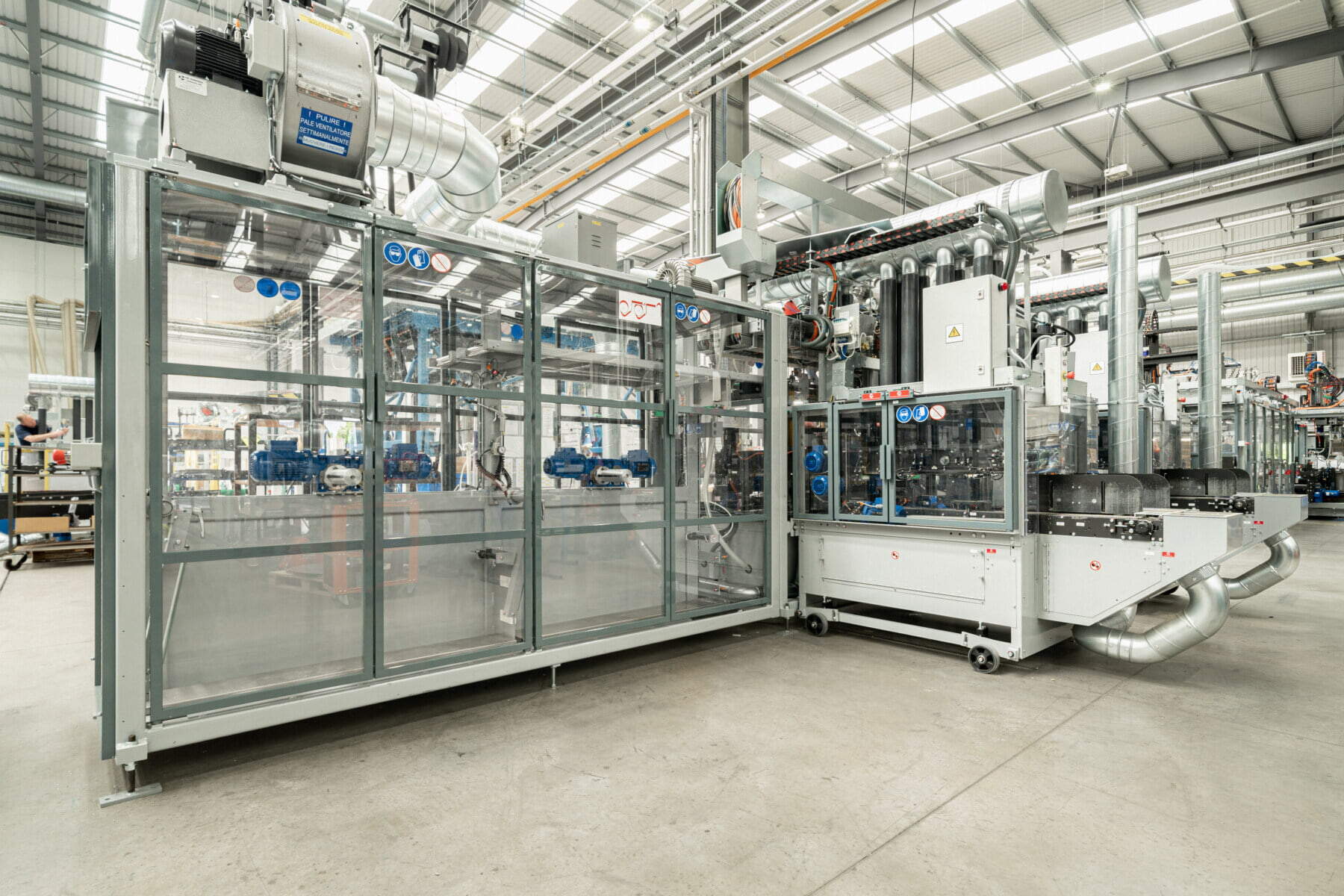
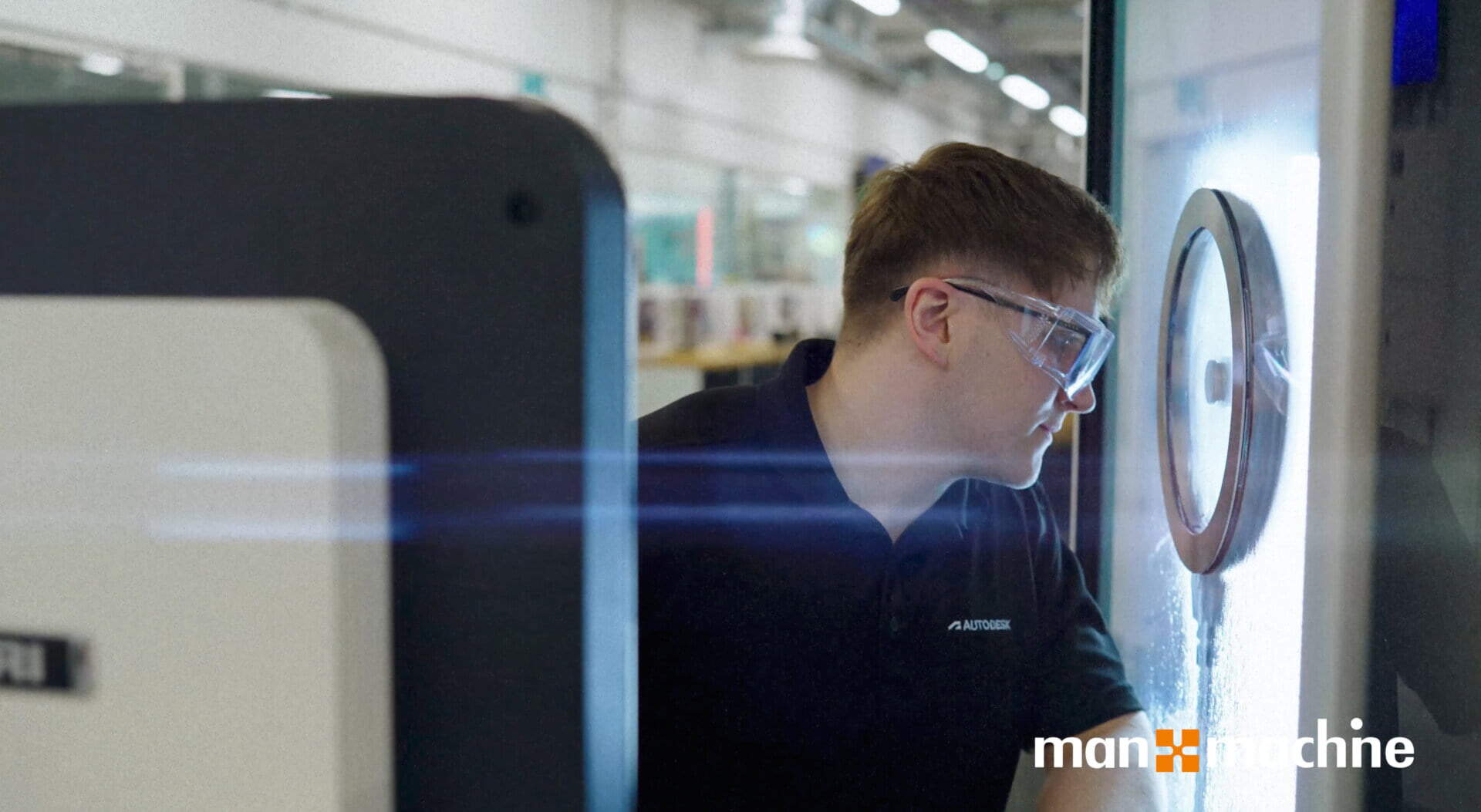
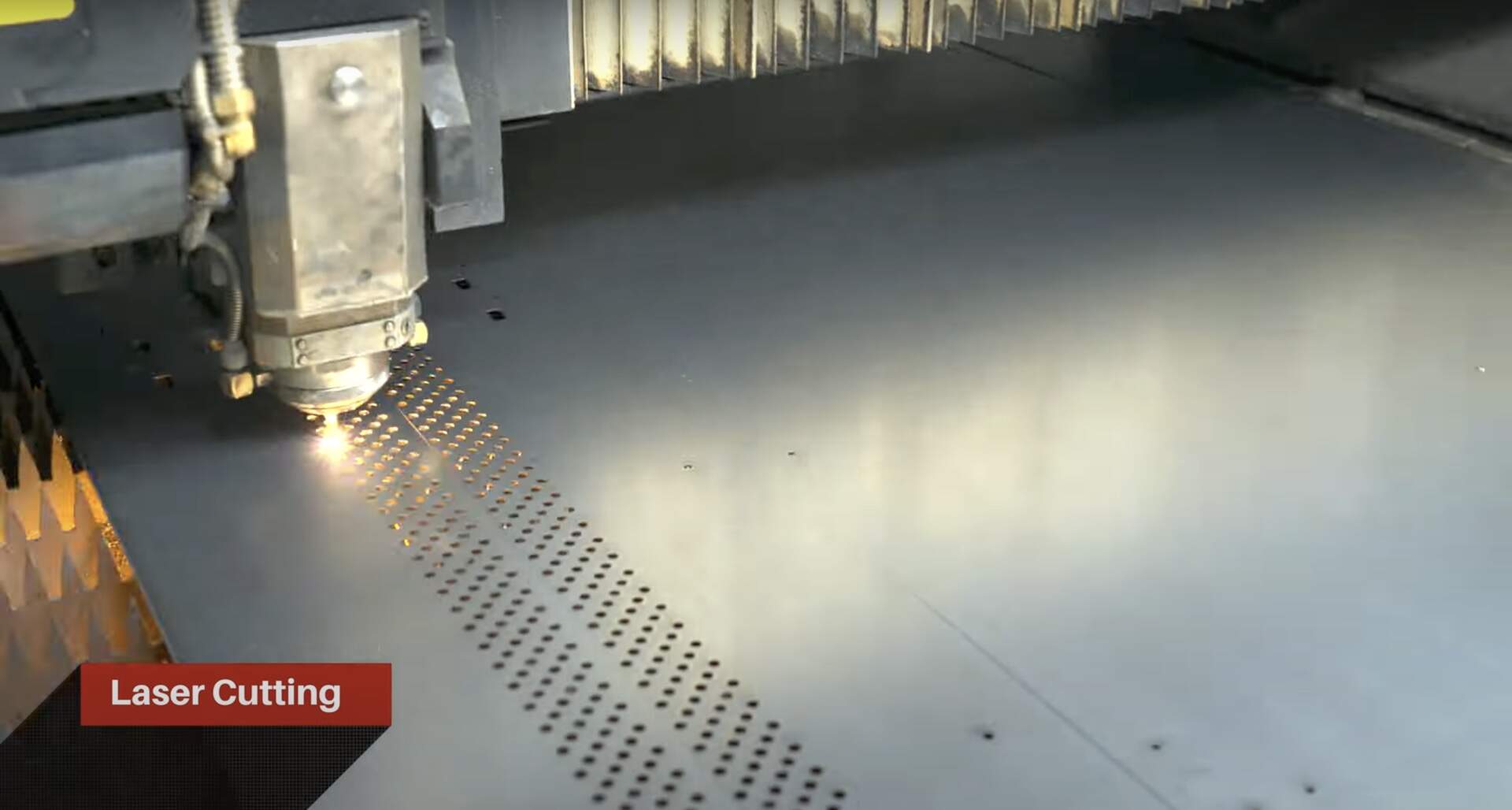
Quality systems are often described through procedures, forms and audit schedules. Those documents are essential, but they do not always show how standards are applied during a real shift. Industrial video production can make the practical side of quality visible: the checks an operator performs, the evidence a team records and the decisions that keep a process within specification.
For manufacturers preparing for customer audits, certification reviews or internal improvement programmes, a well-planned video becomes a reusable piece of operational evidence. It can help a new colleague understand the expected method, help a customer see the control points behind a product, and help managers communicate a consistent standard across departments without asking the same people to repeat the same explanation.
Make the quality process visible
A quality system is strongest when its requirements are connected to observable actions. Instead of filming a general tour of a factory, an industrial video should follow a clear chain: incoming material is identified, the correct specification is checked, the process is controlled, results are recorded and any non-conformance is contained. That sequence gives viewers a useful mental model and avoids the vague language that can make quality communications feel like corporate wallpaper.
Production planning should begin with the quality question the video needs to answer. Is the purpose to explain traceability? To demonstrate inspection technique? To show how a corrective action is closed? Each objective needs its own shots, contributors and evidence. Close-ups of labels, gauges, test equipment, screens and controlled documents can provide more value than long tracking shots, particularly when the video will be used by technical audiences.
Film evidence without disrupting the operation
Audit readiness does not mean staging a perfect-looking production day. In fact, viewers gain confidence when the film reflects the real working environment while respecting safety, confidentiality and production priorities. A short pre-shoot meeting with quality, operations and the area supervisor can identify safe camera positions, restricted information, required personal protective equipment and the moments that must not be interrupted.
The crew can then build a compact shot list around the existing workflow. Film the operator preparing the equipment, completing the check and recording the result, rather than asking for a disconnected demonstration. Where a measurement or software screen is important, capture it cleanly and add a simple explanation in the edit. This approach is particularly useful for technical documentation and knowledge bases, where a video may be revisited months after the shoot.
Turn audit language into useful explanations
Quality terminology can be precise without becoming inaccessible. A good script explains why a control exists, what a person looks for and what happens when the result is outside tolerance. It should avoid making claims that the footage cannot support. For example, a process can be described as controlled at a specific stage without implying that one filmed check represents every batch or every site.
Interviews with quality engineers, operators and production leaders add context, but they work best when each person has a defined contribution. An engineer might explain the risk being controlled; an operator can describe how the check fits into the shift; a manager can connect the evidence to customer confidence. This layered structure is more persuasive than asking one spokesperson to explain the entire quality system in general terms.
Support corrective action and continuous improvement
A quality video should not only celebrate compliance. It can also show how a mature organisation learns when something goes wrong. A carefully anonymised example of a deviation, investigation or improvement project can demonstrate that the system has a practical feedback loop. The story might move from the original risk, through the change made, to the new check that confirms the improvement is holding.
This is where video can complement written records rather than replace them. The formal procedure remains the controlled source, while the film gives people a faster way to understand the behaviour behind it. A concise module can sit alongside a work instruction, onboarding resource or internal audit pack. Similar principles apply to process safety and operational risk, where people need to see how decisions are made under real conditions.
Plan versions for different audiences
One master film can often produce several useful deliverables. A customer-facing edit may focus on traceability, testing and confidence in supply. An internal version may include more detail about escalation, records and responsibilities. Short clips can support toolbox talks or refresher training, while a longer cut can introduce the quality philosophy to new starters and suppliers.
Before filming, agree who owns the review process and how changes to the system will be handled. Quality content can become outdated when a form, machine or inspection method changes. A clear title, date, revision note and content owner make future updates easier. When the film is part of a wider communications plan, it can also strengthen compliance evidence and regulatory readiness without pretending to be a substitute for the underlying records.
A practical production checklist
Start with one quality objective, one defined audience and one process that can be followed from beginning to end. Confirm the approved terminology, protect confidential information and plan filming around the operation. Capture real actions at a useful distance, then add interviews or graphics only where they improve understanding. Finally, review the finished edit with the people who own the process, checking every claim, label and sequence before publication.
When industrial video production is treated as part of the quality system’s communication layer, it becomes more than a polished factory film. It becomes a practical way to transfer knowledge, explain control and show customers that standards are lived in the detail of the work.