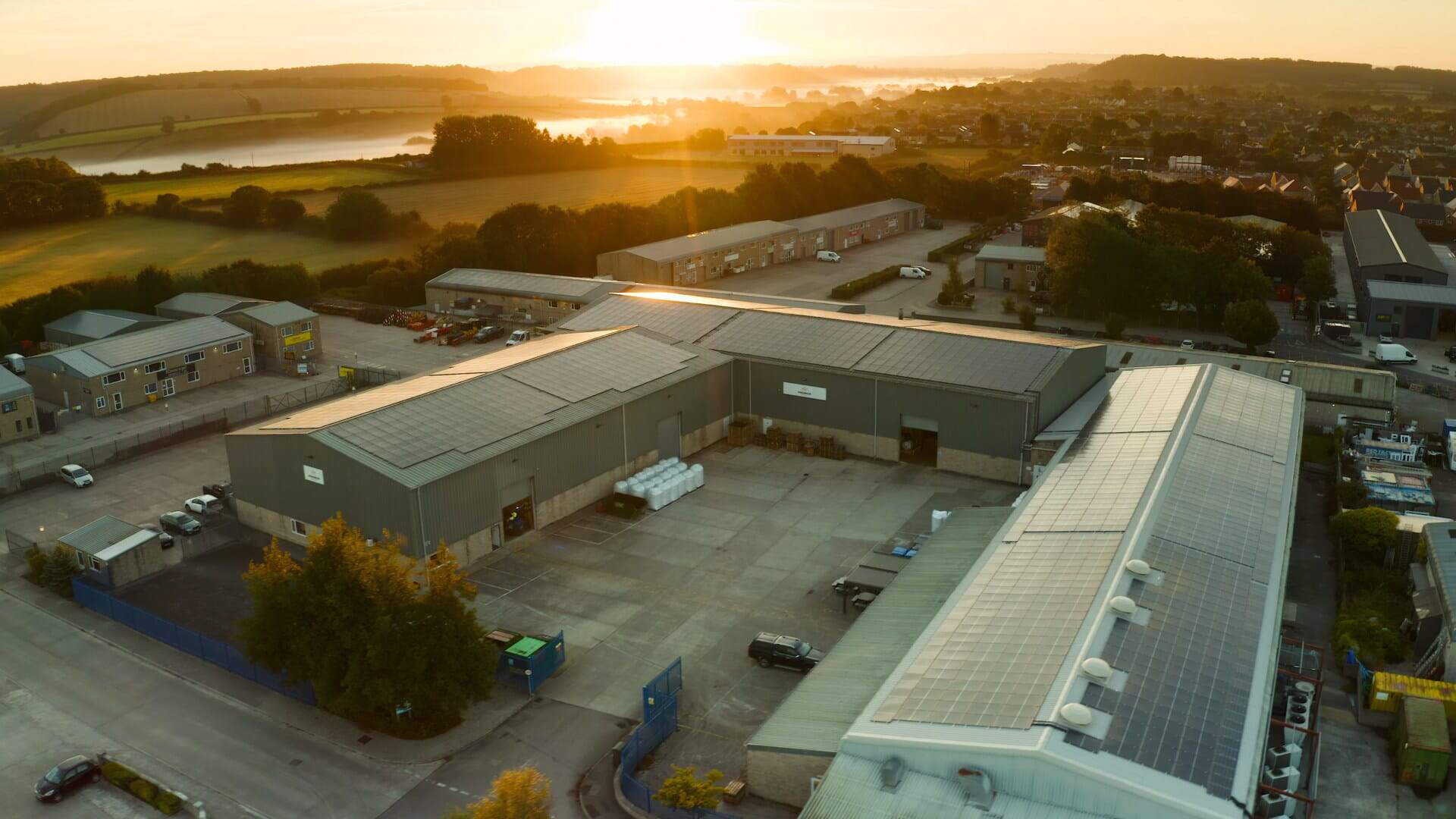
Engineering companies often have strong technical capabilities but find them difficult to communicate in a way that supports both sales and marketing. Complex machinery, specialist processes and long project cycles do not always translate into simple brochures or short website copy. Industrial video production gives teams a practical way to show what the business does, how it works and why customers should trust it.
The same footage can help a marketing team attract attention and give a sales team credible evidence during a commercial conversation. When the production is planned around real business objectives, video becomes more than a brand asset. It becomes a flexible tool that can support prospects from first awareness through to a detailed technical discussion.
Giving Sales Teams Better Evidence
Industrial sales frequently involve high-value decisions, several stakeholders and a long period of evaluation. Buyers want to see that a supplier has the facilities, people and experience required to deliver. A professionally produced film can answer many of those early questions before a meeting takes place.
Instead of relying on generic claims, a salesperson can show machinery running, engineers solving problems and finished work being inspected. This makes conversations more specific. It gives the prospect something tangible to discuss and helps the sales team explain capabilities without expecting every viewer to interpret technical documentation.
A short company film can introduce the operation, while focused case studies can demonstrate experience in a particular sector or application. These assets can be included in proposals, sent before meetings or used as follow-up material when other decision-makers need to understand the opportunity.
Helping Marketing Teams Explain Complex Work
Marketing teams face a different version of the same challenge. Their content needs to attract attention quickly, but it must still feel accurate and credible to a technical audience. Industrial video provides strong visual material without oversimplifying the substance of the work.
Wide views can establish the scale of a facility, close-ups can show precision and a concise voiceover can connect individual processes to customer benefits. Interviews with engineers or project managers add authority and make the message feel grounded in real experience.
At Industreel, our video production work begins with the audience and the intended use. Understanding where the film will appear, who will watch it and what they need to learn allows the production to serve a clear commercial purpose.
Building a Shared Story Across Sales and Marketing
Sales and marketing are most effective when they communicate the same strengths. If marketing content focuses on innovation while sales conversations centre on reliability and delivery, the business can appear inconsistent. A well-planned industrial film helps create a shared story that both teams can use.
Pre-production is the right time to bring these viewpoints together. Salespeople can identify the questions prospects ask most often, while marketers can explain which messages and formats perform well across campaigns. Engineers and operational teams can then confirm the technical detail and make sure the story reflects the reality of the business.
This collaboration leads to a stronger production brief. The resulting film can present the central proposition clearly while capturing enough supporting material for more focused edits. Everyone works from the same visual evidence, but each team can deploy it in a way that fits its role.
Turning One Shoot Into a Content Library
An industrial filming day can generate much more than a single company video. With the outputs agreed in advance, the crew can capture a structured library of interviews, process footage, facility views, product details and team activity.
The main edit may sit on the website or open a presentation. Shorter clips can support LinkedIn posts, email campaigns, recruitment pages and exhibition displays. Sector-specific versions can help sales teams approach different markets without commissioning an entirely new production for every audience.
This is particularly valuable when access is limited. Some machines only run particular products at certain times, and customer sites may be available for a narrow filming window. Planning a broad but purposeful shot list ensures those opportunities generate material that remains useful over a longer period.
Using Video at Different Stages of the Buyer Journey
Different videos are useful at different stages of a buying decision. A concise overview film can introduce the company to someone who has never encountered it before. A process film can help a prospect understand technical capability, while a customer case study can provide reassurance when the decision is becoming more serious.
Short social clips are often effective at generating initial interest because they can highlight a striking process or engineering detail. Once the viewer reaches the website, a longer film can explain the wider operation. Sales teams can then share the most relevant project or application video directly.
For automation companies, footage that shows a full production cycle is especially persuasive. Industrial automation videos make speed, repeatability and system coordination visible, giving technical buyers a clearer understanding than specifications alone can provide.
Making Interviews Useful and Natural
Interviews are often the link between strong visuals and a clear commercial message. Engineers can explain why a system was designed in a particular way, project managers can describe how challenges were handled and customers can speak about the result.
The best interviews feel informed rather than rehearsed. Preparing topics and questions in advance gives each contributor confidence without forcing them to memorise a script. Responses can then be edited around the most useful points and supported by footage that shows exactly what is being discussed.
This creates content with authority. Technical audiences can hear directly from people who understand the work, while less specialist viewers receive the context needed to follow the story.
Measuring the Value of Industrial Video
The value of a production should be connected to its intended role. Marketing teams may track video completion, website engagement, campaign responses or the number of useful social assets generated. Sales teams may look at how often films are used in proposals, whether they improve meeting quality or how effectively they answer common questions.
Not every benefit can be reduced to a single number. A strong video can improve the perceived quality of the website, give an exhibition stand more impact and make the business easier to understand. It can also save time by providing a consistent explanation that teams can share repeatedly.
Reviewing these outcomes helps shape future production. The clips that prompt useful conversations or explain difficult subjects can guide the next case study, process film or sector campaign.
Planning an Industrial Video With Commercial Purpose
A successful brief starts by defining the audience, the action the viewer should take and the evidence that will build confidence. The filming plan should then identify the right people, processes and locations to support that objective.
Industrial environments require additional preparation around access, safety, confidentiality, production schedules and noise. Addressing these factors early keeps the shoot efficient and protects normal operations while allowing the crew to capture authentic material.
Industreel specialises in industrial video production for manufacturing, automation and engineering businesses across the UK. We help sales and marketing teams turn complex capability into clear visual content that supports real commercial conversations. To discuss a production shaped around your audience and objectives, contact Industreel.