Industrial video production often takes place inside facilities that cannot simply stop for a camera crew. Machines have production targets, operators have established routines and site managers need to protect safety, quality and delivery. A successful factory film therefore depends on planning the production around the working environment rather than expecting the environment to adapt completely to filming.
When this is handled well, a business can capture strong, authentic footage without creating unnecessary disruption. The key is to understand what needs to be shown, when it will happen and how the crew can work safely alongside normal operations.
Start With the Factory Schedule
The production schedule should be one of the first topics discussed during pre-production. Different products may run on different days, certain machines may only operate during particular shifts and some processes may be too short or infrequent to capture without precise timing.
A useful planning conversation identifies the essential production stages and the approximate time each one will happen. It should also highlight changeovers, cleaning periods, maintenance work and other activities that could affect filming. This allows the crew to build a realistic shot plan rather than arriving with a sequence that conflicts with the factory’s priorities.
At Industreel, our video production planning is shaped around real site activity. The goal is to capture the most valuable footage efficiently while keeping the production team informed and the factory in control.
Agree the Essential Shots Before Filming
A detailed shot list helps everyone understand what must be recorded and what would simply be useful if time allows. Essential shots might include the start of a process, a critical machine operation, quality checks, finished products and the people responsible for delivery.
Separating essential material from optional coverage makes the day more resilient. If a machine is delayed or a process changes, the crew can move to another planned area rather than losing time. The list can also identify shots that require a particular operator, product or safety arrangement.
The shot plan should remain flexible. Industrial environments are dynamic, and some of the strongest moments arise naturally during production. Good preparation creates the structure needed to respond to those moments without losing sight of the main story.
Coordinate With Operations and Site Teams
Factory managers, supervisors and operators hold practical knowledge that is essential to the filming plan. They know when the process is likely to run, where access is restricted and which viewpoints will interfere least with normal work.
Assigning a clear site contact gives the crew a reliable source of updates throughout the day. That person can confirm when machinery is ready, coordinate access and communicate any production changes. This reduces uncertainty and prevents the camera team from distracting operators with repeated questions.
Operators should understand what is being captured, but they should not feel expected to perform unnaturally for the camera. Authentic footage of experienced people completing familiar tasks is usually more convincing than staged activity.
Build Safety Into the Filming Plan
Safety is not a separate consideration added at the end of planning. It affects camera positions, equipment choices, crew movement and the time required for every sequence. Site inductions, personal protective equipment and restricted zones should all be confirmed before filming begins.
Cables and tripods may be unsuitable near walkways or moving equipment, so compact camera setups, wireless monitoring and battery-powered lighting can help reduce obstruction. The crew also needs to understand vehicle routes, overhead hazards, heat, noise and any materials that require special precautions.
Planning safe positions in advance makes filming faster because the team is not negotiating access during a critical production moment. It also reassures the client that the production will respect the same standards expected of everyone else on site.
Work With Noise, Light and Movement
Factories rarely provide studio conditions. High noise levels can affect interviews, mixed lighting can change colour across a facility and reflective materials may make exposure difficult. Fast machinery can also require different frame rates or shutter settings if its movement needs to be shown clearly.
A location review allows these challenges to be anticipated. Interviews may be scheduled in a quieter room while the production line is active, then supported with operational footage recorded separately. Portable lighting can improve important work areas without changing the character of the facility.
Camera movement should be purposeful and safe. Wide shots establish scale, fixed views explain workflow and close details show precision. A balanced combination helps viewers understand the environment without relying on constant movement that could distract from the engineering.
Capture Complete Processes Efficiently
Some industrial sequences last only seconds, while others take hours. The crew needs to know where the meaningful visual moments sit within the cycle. Filming every minute of a long process is rarely useful, but missing a critical transfer or finishing stage can leave a gap in the story.
Operators can help identify the moments that best demonstrate capability. The production team can then position cameras in advance and record the sequence from complementary angles where the schedule allows. If a cycle cannot be repeated, priority should go to the clearest view before secondary creative options.
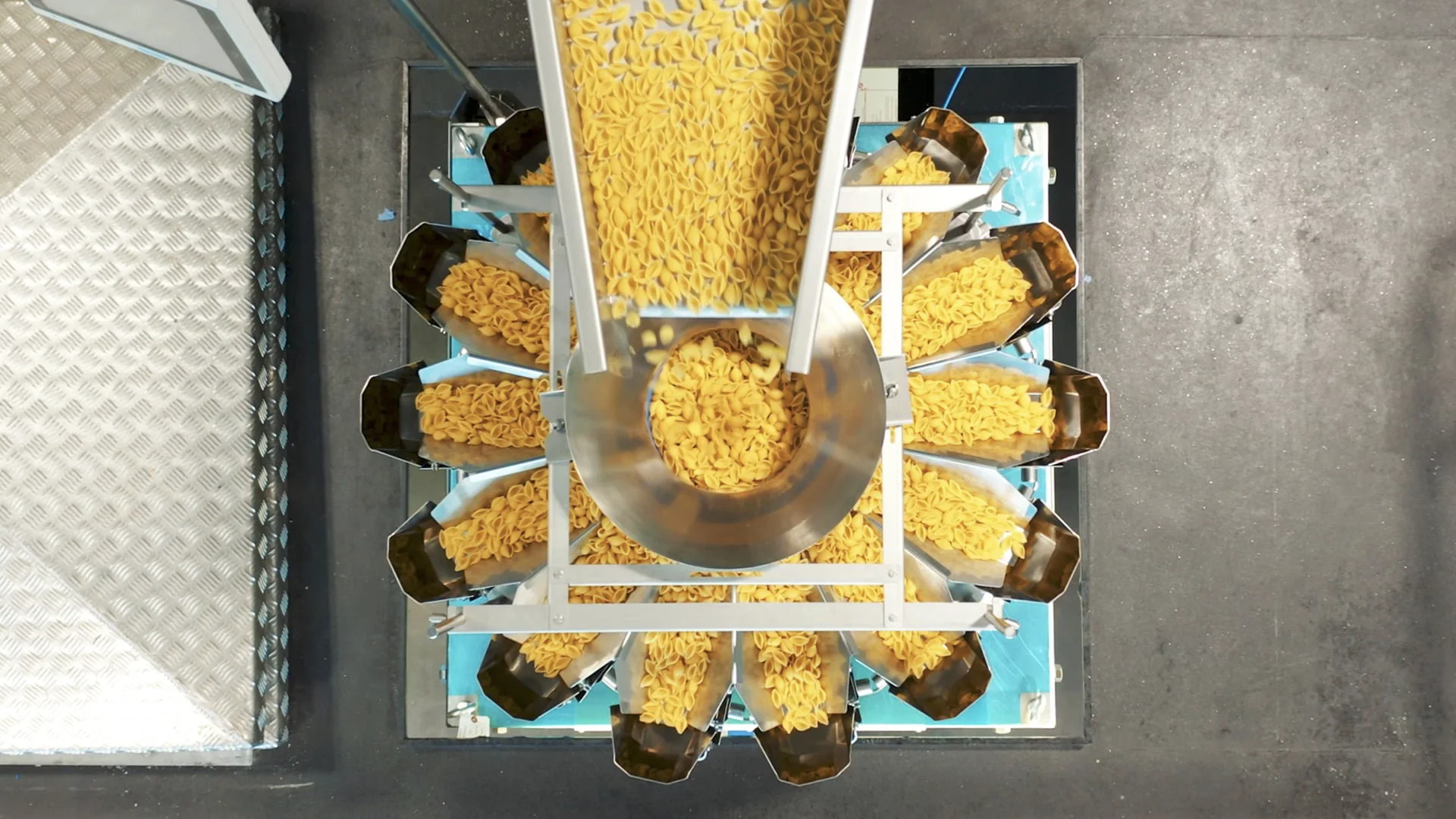
This is particularly important for industrial automation videos, where the relationship between feeders, robots, conveyors and inspection systems may be central to understanding the equipment.
Plan Interviews Around Production Demands
Interviews add expertise and context, but removing key people from the factory floor at the wrong time can disrupt operations. Scheduling interview windows around breaks, shift handovers or quieter periods makes participation easier.
The setting should support both sound quality and authenticity. A quiet office may produce clean audio, while a controlled position overlooking the facility can provide more visual context. The right choice depends on the message and the practical conditions on site.
Questions can be shared as topics in advance so contributors know what will be discussed. This helps them prepare accurate information without making their answers feel scripted.
Create a Contingency Plan
Even a detailed schedule can change. Materials may arrive late, a machine may require attention or urgent customer work may take priority. A contingency plan protects the production from these unavoidable events.
Alternative processes, interview subjects and facility areas can be identified before the shoot. The team may also plan detail shots, establishing views and supporting footage that can be recorded while waiting for a key sequence. This keeps the day productive without putting pressure on site staff.
If a critical process becomes unavailable, an honest decision can be made about whether existing footage, graphics or a short return visit offers the best solution. The objective is a complete and credible film, not forcing the factory into an unsuitable situation.
Turn an Efficient Shoot Into Multiple Assets
Careful scheduling can make one factory visit valuable across several channels. Alongside the main film, the crew can capture vertical details, short process sequences, still frames and interview extracts for social media, sales presentations, recruitment and exhibitions.
Knowing these outputs in advance prevents duplication. A small change in framing or an additional short take may provide useful material for another format without extending the filming day significantly.
Industrial video production works best when creative ambition and operational reality support each other. With the right preparation, a live factory can remain productive while the crew captures the scale, precision and expertise that make the business distinctive.
Industreel films manufacturing, automation and engineering environments across the UK. If you need professional footage without unnecessary interruption to production, contact Industreel to plan an industrial video around your facility and working schedule.