Lean manufacturing depends on making small, repeatable improvements visible to the people who design, run and support a process. A written standard operating procedure can describe the intended method, but it rarely captures the pace of a line, the movement of materials, the signals an operator watches or the practical decisions made when conditions change. Industrial video production can turn those details into a useful visual record that supports improvement work across a factory.
For manufacturers, the value is not simply producing a polished film. The stronger approach is to plan a set of purposeful videos around a process, a problem or a measurable improvement objective. That might mean documenting a current-state workflow before a kaizen event, showing a revised workstation layout after implementation, or creating a concise visual standard for a task that needs to be performed consistently across shifts and sites.
Make the current state easier to understand
Lean projects often begin with observation. Teams walk the process, map the flow and look for waiting, unnecessary motion, hand-off delays, rework and other forms of waste. Video gives that observation a durable reference point. A carefully framed sequence can show how long a material actually sits between operations, how often an operator leaves a station, or where information is repeatedly checked and re-entered.
This record helps teams discuss the process with greater precision. Instead of relying on memory or a simplified diagram, engineers, supervisors and operators can review the same moment together. A well-produced film can also protect the context around an issue: the layout, lighting, equipment access, safety controls and interaction between people and machines. Those details often explain why a proposed improvement is practical—or why it needs further refinement.
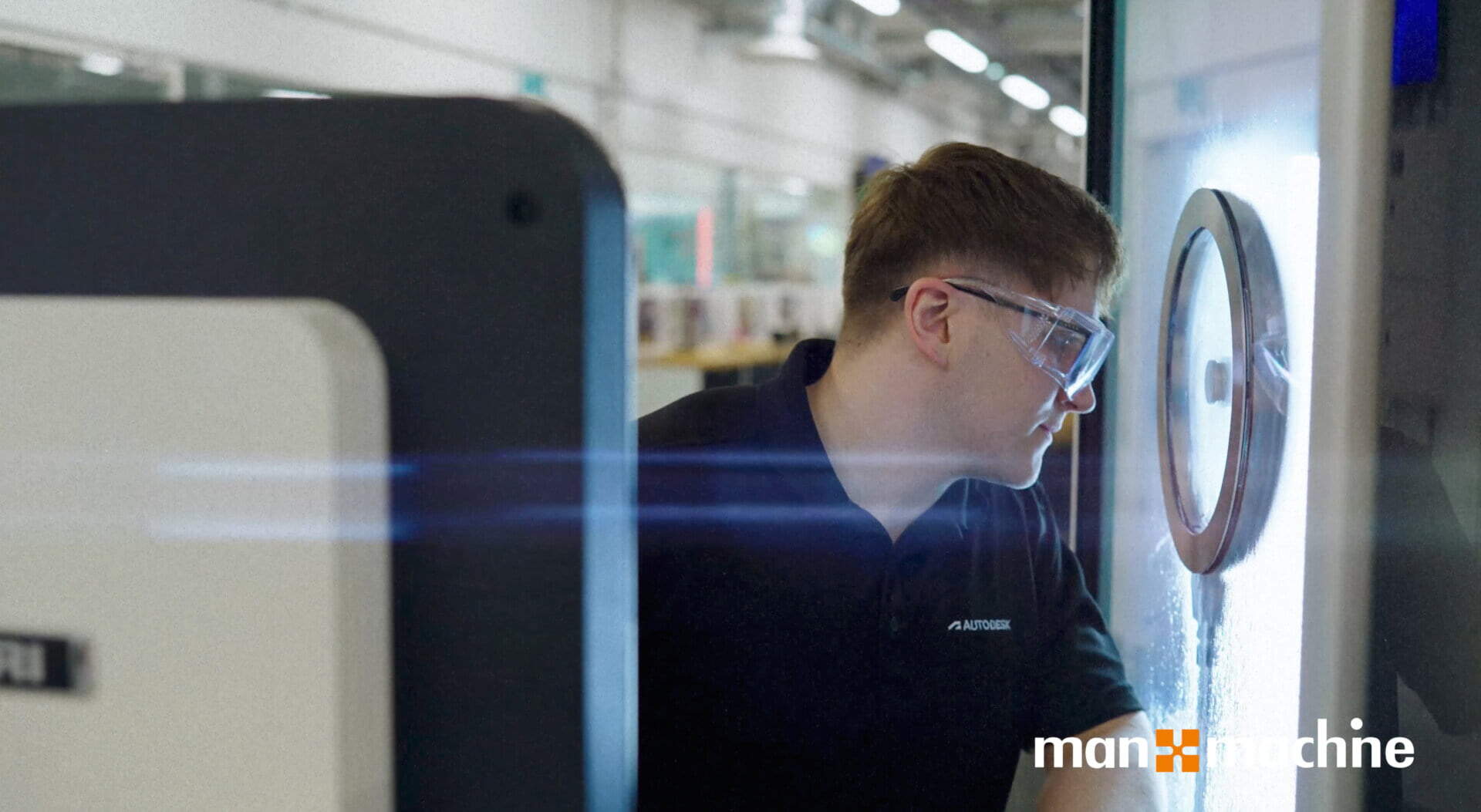
Filming should be planned around the work rather than imposed on it. A production team familiar with industrial environments can agree safe camera positions, avoid interrupting production and capture representative cycles. The result is useful evidence for improvement conversations without turning the factory into a staged performance.
Show the improvement, not just the announcement
After a lean change has been introduced, a short video can make the improvement easier to teach and sustain. It can show the correct sequence of actions, the new location of tools and materials, the visual controls that support the standard and the quality checks that must happen before the next step. This is particularly valuable when the change affects several shifts, contractors or facilities.
Visual comparison can make the benefit immediately understandable. A before-and-after structure might contrast excessive walking with a point-of-use arrangement, or show how a revised material route reduces crossings and interruptions. Where suitable, on-screen labels can identify takt time, cycle time, changeover stages or inspection points. These annotations should clarify the process rather than overload it with unexplained data.
For more complex improvements, a series of short modules is often more effective than one long corporate film. One video can explain the reason for the change, another can demonstrate the standard work, and a third can cover checks, escalation routes and common mistakes. This modular approach makes the content easier to use during induction, toolbox talks and refresher training.
Connect lean thinking with customer value
Waste reduction is an internal discipline, but its purpose is to improve what the customer receives. Industrial video production can help link operational changes to outcomes that matter outside the production cell: more reliable delivery, stable product quality, shorter response times, safer working practices or better traceability. That connection is useful when communicating improvements to customers, procurement teams, investors and commercial partners.
A manufacturing video can follow the journey from an improvement idea to the finished result, using the process itself as evidence. For example, it might show how a changeover improvement creates more responsive scheduling, or how a mistake-proofing measure reduces the risk of inconsistent output. The narrative should remain technically accurate while explaining why the change matters to someone who does not work on the line every day.
When the project also needs a broader brand story, an experienced industrial video production team can balance operational detail with clear communication. The same footage may support an internal improvement review, a customer presentation and a manufacturing video for the company website, provided each version has a defined audience and purpose.
Build a reusable visual standard
The most useful lean video work becomes part of a wider knowledge system. Files should be named and organised around the process, revision and approval status, with captions or transcripts available so teams can find specific information quickly. If a standard changes, the affected module can be updated without recreating every related asset.
It is also worth agreeing ownership before filming begins. Operations can confirm whether the method shown is current, quality teams can review critical checks, and health and safety leads can identify anything that must be demonstrated or excluded. This makes the final video a controlled communication tool rather than an attractive but unofficial recording.
Lean manufacturing improves when good ideas are understood, repeated and measured. Video cannot replace process analysis or operator involvement, but it can make the work of improvement more visible and more transferable. By documenting the current state, demonstrating the new standard and connecting operational gains to customer value, industrial video production gives manufacturers a practical way to sustain progress long after the improvement event has finished.