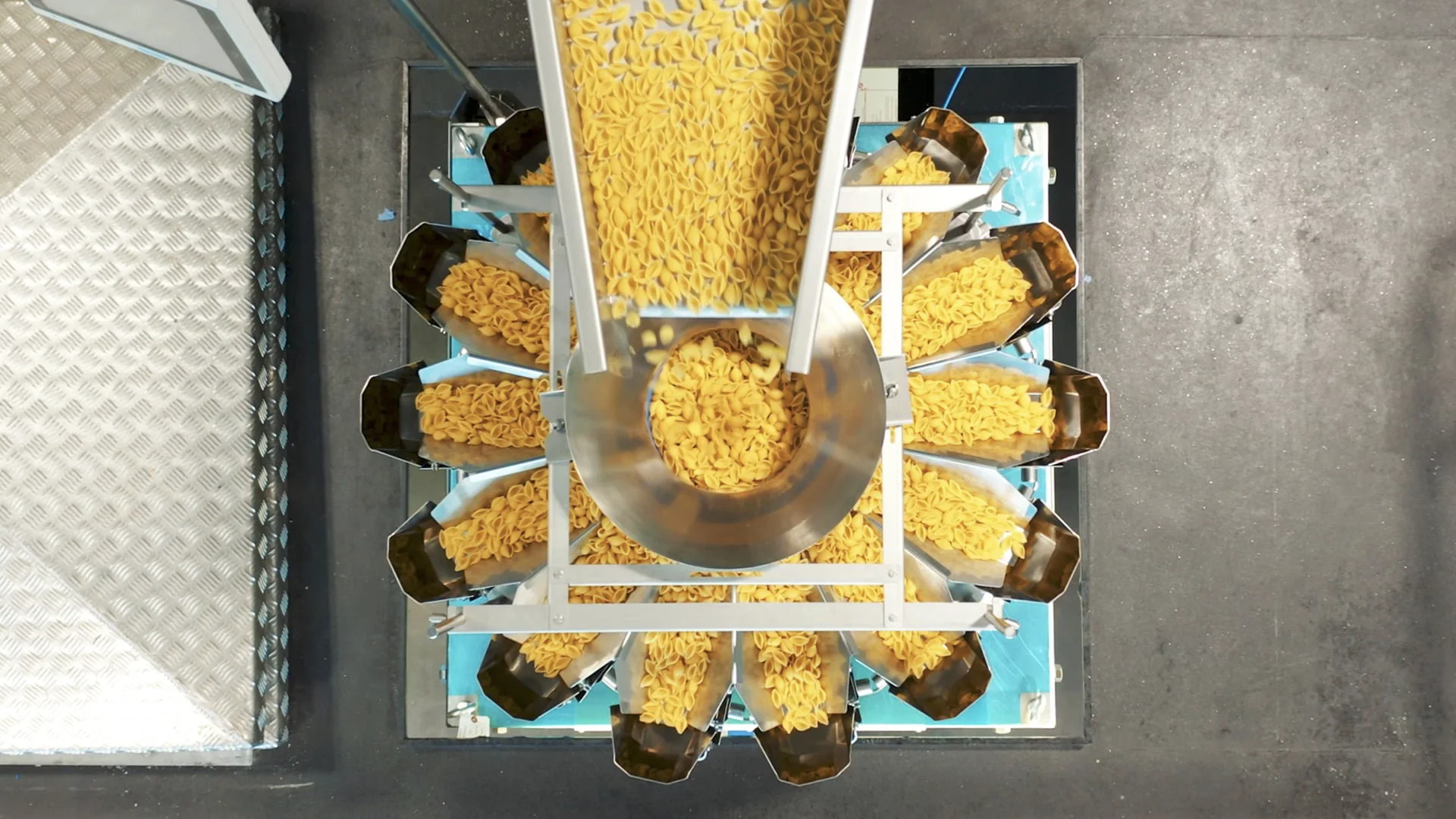
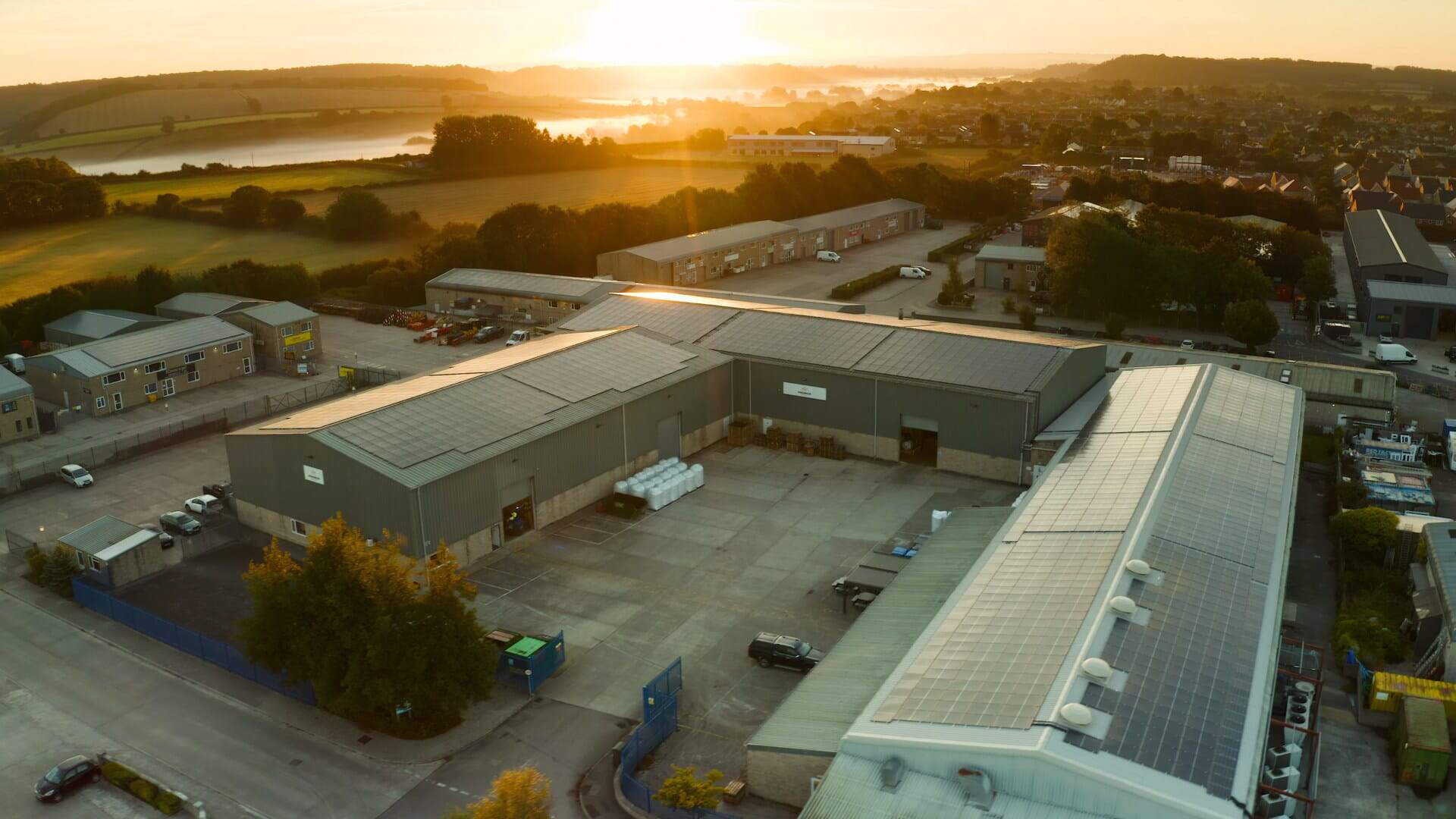
Replacing an entire production system is not always the best route to new capability. Many industrial businesses modernise by upgrading controls, adding automation, improving guarding or integrating new inspection equipment with machinery they already know. These retrofit projects can deliver important changes, but they are not always easy to explain through specifications and still photographs. Industrial video production can show the transformation in context.
A planned film can document the original challenge, capture the work as it happens and demonstrate the finished process. It gives customers, operators and stakeholders a clearer view of what changed and why the investment matters.
Record the baseline before work begins
The most valuable before-and-after comparison starts before a contractor removes the first panel. Footage of the original machine, operator routine and surrounding production flow gives viewers a reference point for the later result.
It helps to film complete, representative cycles rather than only a few attractive details. A wide view shows how the equipment sits in the line, while closer shots reveal the specific limitations the project is intended to address. The engineering team should identify those points so the footage does not imply a problem that did not exist.
Where performance data is part of the story, agree the baseline and measurement method separately. Video can make a change visible, but it should not substitute for a properly evidenced claim.
Define the story with the project team
Retrofitting usually involves several parties: the site owner, machine builder, controls specialist, integrator and operations team. A short planning session can establish the scope, the key milestones and the people best placed to explain each decision.
The communication objective also matters. A customer case study might focus on the operational problem and outcome. An internal update may need to explain what operators can expect during installation. A technical film could give more attention to interfaces, commissioning and integration constraints.
Professional video production can shape those priorities into a clear visual plan without losing the engineering detail that makes the project credible.
Capture the work that will soon be hidden
Much of a modernisation project disappears from view once equipment is closed and production resumes. New wiring, drives, sensors, network connections and mechanical alterations may be easier to document during installation than after commissioning.
Milestone filming can capture access panels open, components being fitted and engineers testing the system. These scenes help explain the depth of the work, provided the crew follows site safety rules and does not interrupt critical tasks.
A project contact should flag short-lived stages in advance. A simple, flexible filming schedule is often more useful than assuming that the most important work will occur on a single fixed date.
Explain how old and new systems work together
The challenge in a retrofit is frequently integration rather than the new component itself. Viewers may need to understand how an added robot, vision system or control platform connects to the existing machine and production line.
Wide footage establishes the overall route of the product. Close-ups reveal sensors, tooling and interfaces. Simple graphics can trace material or information flow where cables and control logic are invisible.
Examples of industrial automation video show how real machine footage and restrained animation can make a connected process understandable without relying on a dense technical diagram.
Film commissioning honestly
Commissioning is a process of testing, adjustment and verification. It may not produce a perfect sequence on the first attempt, and a credible project film does not need to pretend otherwise.
Filming engineers checking interfaces, running trials and reviewing results can reveal the care behind a successful handover. Any footage of faults or temporary configurations should be used thoughtfully and approved by the project team.
The finished edit should distinguish between a controlled test and normal production. If a performance figure is a target rather than a measured result, that distinction needs to be clear in narration and graphics.
Give operators a voice
Modernisation affects the people who use equipment every day. An operator can describe the original routine, what changed during training and how the new workflow is experienced in practice.
Short, specific contributions are usually more useful than scripted praise. A supervisor may explain how the team prepared for downtime, while a maintenance engineer discusses access to the updated components. These perspectives make the film about real working conditions, not just machinery.
Interviews should be recorded at suitable points in the project. Asking someone to judge an unproven system before it has settled into operation risks overstating the outcome.
Plan around downtime and safe access
Retrofits often take place in narrow shutdown windows. Production teams may have little spare time for filming, and installation areas can contain lifting operations, exposed components and multiple contractors.
The camera plan should be agreed with the site and project leads before work starts. It can identify safe positions, required protective equipment and the moments when filming must stop. Fixed cameras or longer lenses can capture important activity without placing the crew in the way.
No task should be repeated or altered solely for a better shot if doing so adds risk or delays the programme. The project schedule and approved method take priority.
Create useful outputs beyond a launch film
The same footage can serve different needs. A concise before-and-after film may support sales conversations, while short technical clips explain individual upgrades. Internal teams may need an operator introduction or a record of the completed configuration.
Planning these versions before filming helps the crew capture clean cycles, alternative angles and enough detail for each use. Captions make the material accessible when sound is unavailable, and a transcript gives reviewers an efficient way to check technical wording.
Every asset should be labelled with the machine, site, date and revision where relevant. That matters especially when a retrofit becomes the model for upgrades to other lines.
Show the outcome without overclaiming
When the modernised system is running, return to the original camera positions. The comparison can reveal a changed workflow, new interface or different handling sequence immediately.
Any claims about throughput, quality, energy use or downtime should come from approved measurements and use the correct baseline. Where evidence is still being collected, the film can show the completed work and explain what will be evaluated next.
This measured approach makes the story more persuasive. It allows the engineering and operational evidence to carry the message.
Preserve a record of the transition
A retrofit film can be useful long after the initial announcement. It records the previous configuration, the installation stages and the people who made key decisions. That history may help with future training, support or a similar project elsewhere in the business.
Industrial video production is most effective when it is planned as part of the modernisation programme, not added only after the line is complete. By capturing the baseline, integration work and final operation, a business can show exactly how existing equipment gained a new working life.
If you are planning a machine retrofit or production-line upgrade, contact Industreel to discuss filming around the project milestones.