Supplier audits and procurement reviews often depend on evidence that is clear, current and easy to share. A spreadsheet can record a specification, while a written report can describe a process, but neither always shows how a product is made, tested or controlled in practice. Industrial video production gives procurement teams a visual record of the people, equipment and checks behind a supplier’s promise.
That does not mean filming a factory tour and calling it finished. The most useful supplier-audit video is planned around the questions a buyer, quality manager or technical assessor needs answered. It creates a concise route through the operation, showing the relevant evidence in context and making complex manufacturing activity easier to evaluate.
Start with the decisions the video needs to support
Before a camera enters the facility, define what the viewer must be able to decide after watching. A prospective customer may need confidence in capacity, repeatability and traceability. A procurement team may want to understand incoming inspection, material control and non-conformance handling. An existing customer could be checking whether a supplier can support a new volume, tighter tolerance or revised delivery schedule.
These are different communication jobs, even when they take place on the same factory floor. A strong brief turns each one into a filming question: where is the control point, who owns it, what is recorded, and what would the viewer recognise as proof? This approach keeps the finished film focused on operational value instead of collecting attractive but disconnected shots.
It also helps stakeholders agree what cannot be shown. Sensitive drawings, customer names, proprietary interfaces and security-critical areas can be marked as protected before the shoot. The production team can then build a useful visual narrative around approved evidence rather than discovering restrictions during editing.
Show the audit trail, not just the machinery
Machines are visually compelling, but a procurement decision rarely rests on machinery alone. Viewers need to see how an input becomes a controlled output. That may include material identification, setup verification, first-off inspection, in-process measurement, final release and the records that connect those stages. Short, well-composed sequences can make that chain understandable without exposing confidential data.
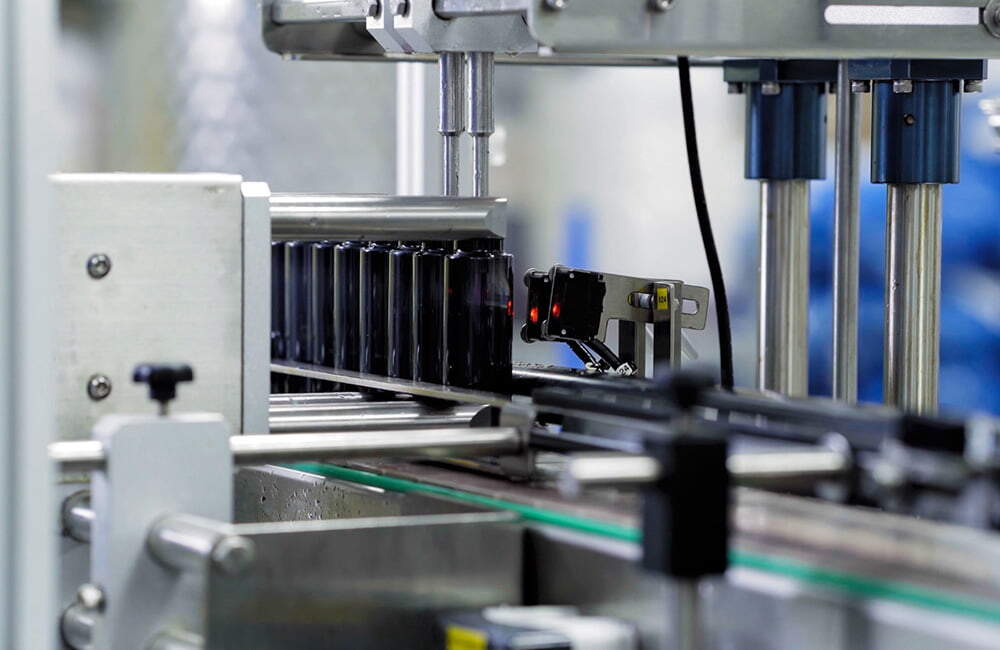
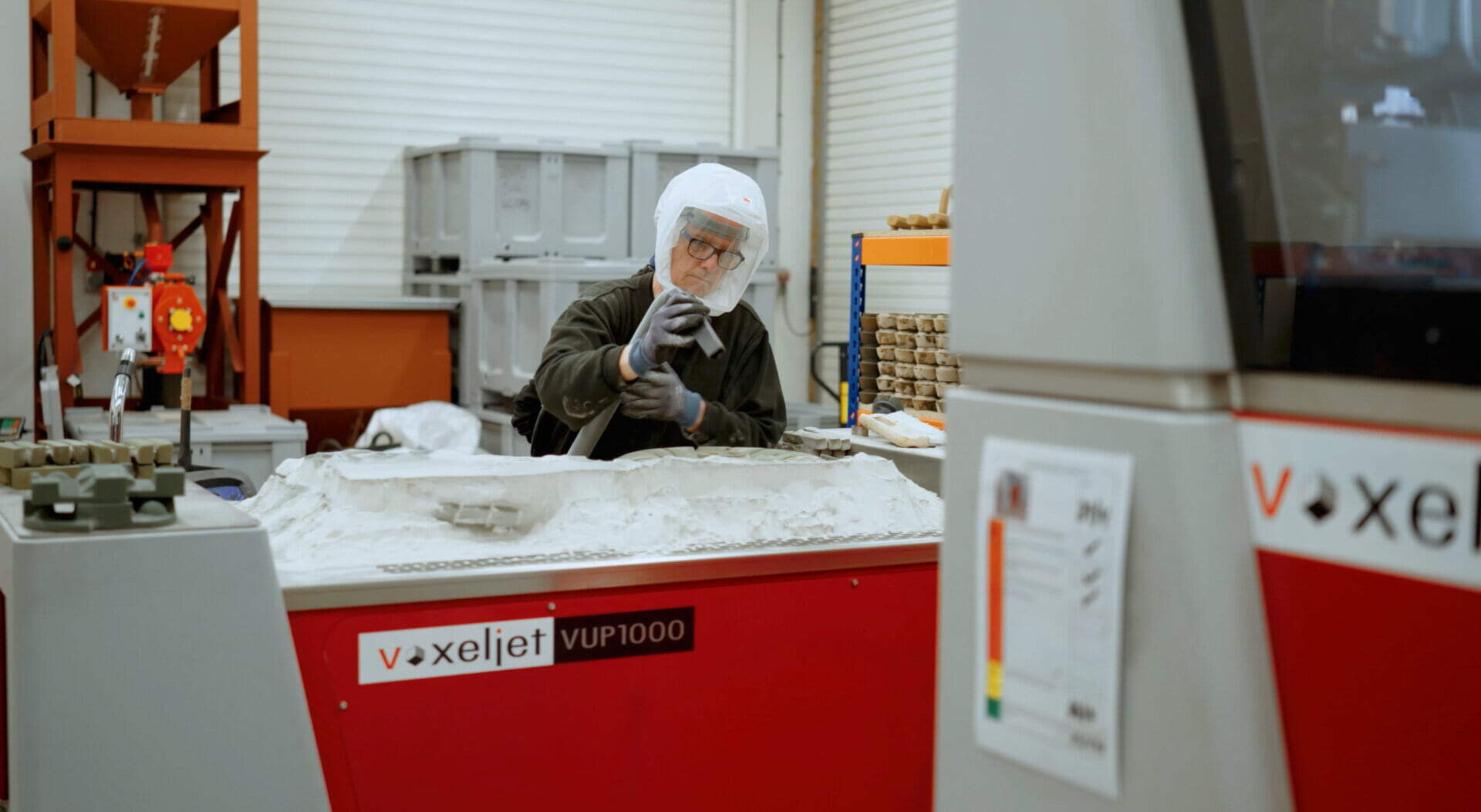
Good industrial video production uses details with a purpose. A label can establish traceability. A calibrated instrument can support a statement about measurement discipline. A technician checking a digital work instruction can explain how standardised work is maintained. A supervisor reviewing a result can show that escalation is part of the process rather than an afterthought.
Interviews add the human explanation that a sequence of close-ups cannot provide. Instead of asking someone to repeat a generic company message, ask them to explain what could go wrong at a specific stage and how the team prevents or detects it. Those answers give the film credibility because they connect the visible action to the organisation’s actual controls.
Plan filming around real production conditions
Audit evidence is strongest when it reflects normal work. Staging every movement can make a facility look tidy, but it may also remove the context that buyers need to understand. The filming plan should therefore be built around the factory schedule, planned changeovers, inspection windows and safe access routes. A small amount of preparation can protect the operation while still allowing the camera to capture genuine activity.
Safety and continuity matter just as much as visual quality. The crew needs a clear induction, designated walkways, suitable personal protective equipment and an agreed approach to filming around moving equipment. If a process cannot be interrupted, use multiple short takes from safe positions rather than asking operators to repeat an unsafe action for the camera.
Audio deserves particular attention. Manufacturing environments are rarely quiet, and a valuable explanation can be lost beneath extraction fans, presses or vehicle movements. Recording an interview in a controlled nearby space, then capturing clean process sound and carefully selected supporting footage, usually produces a more intelligible result than relying on a single camera microphone.
Make the finished video useful after the audit
A supplier-audit film should have a life beyond one procurement meeting. Create a master version for detailed review, then consider shorter edits for onboarding, customer presentations, tender responses or a private supplier portal. Chapters, captions and on-screen labels allow viewers to return to the section they need without watching the entire film again.
Keep claims precise and supportable. If the video says a process is inspected at a particular stage, show that stage and explain what is being checked. If a capability depends on a specific material, machine or approval, identify the scope rather than implying that every product follows an identical route. Accuracy builds more trust than oversized language.
Finally, agree how the film will be maintained. A process video can become misleading when equipment, layout or certification changes. Date the master internally, retain the approved script and note which sequences are likely to need replacement. That turns the production into a reusable evidence asset instead of a one-off presentation.
Turn complex operations into procurement confidence
The best industrial video production for supplier audits is disciplined, specific and respectful of the working environment. It translates technical controls into visible evidence, gives specialists room to explain what matters, and helps non-specialist decision-makers understand why the process deserves confidence. For companies preparing a capability review, a tender response or a customer visit, a carefully planned film can make the difference between a vague impression and a clear, credible picture of how work is done.
To plan a film around your own facility, explore Industreel’s industrial video production services and consider how the same footage could support ongoing video production communications across sales, training and customer engagement.