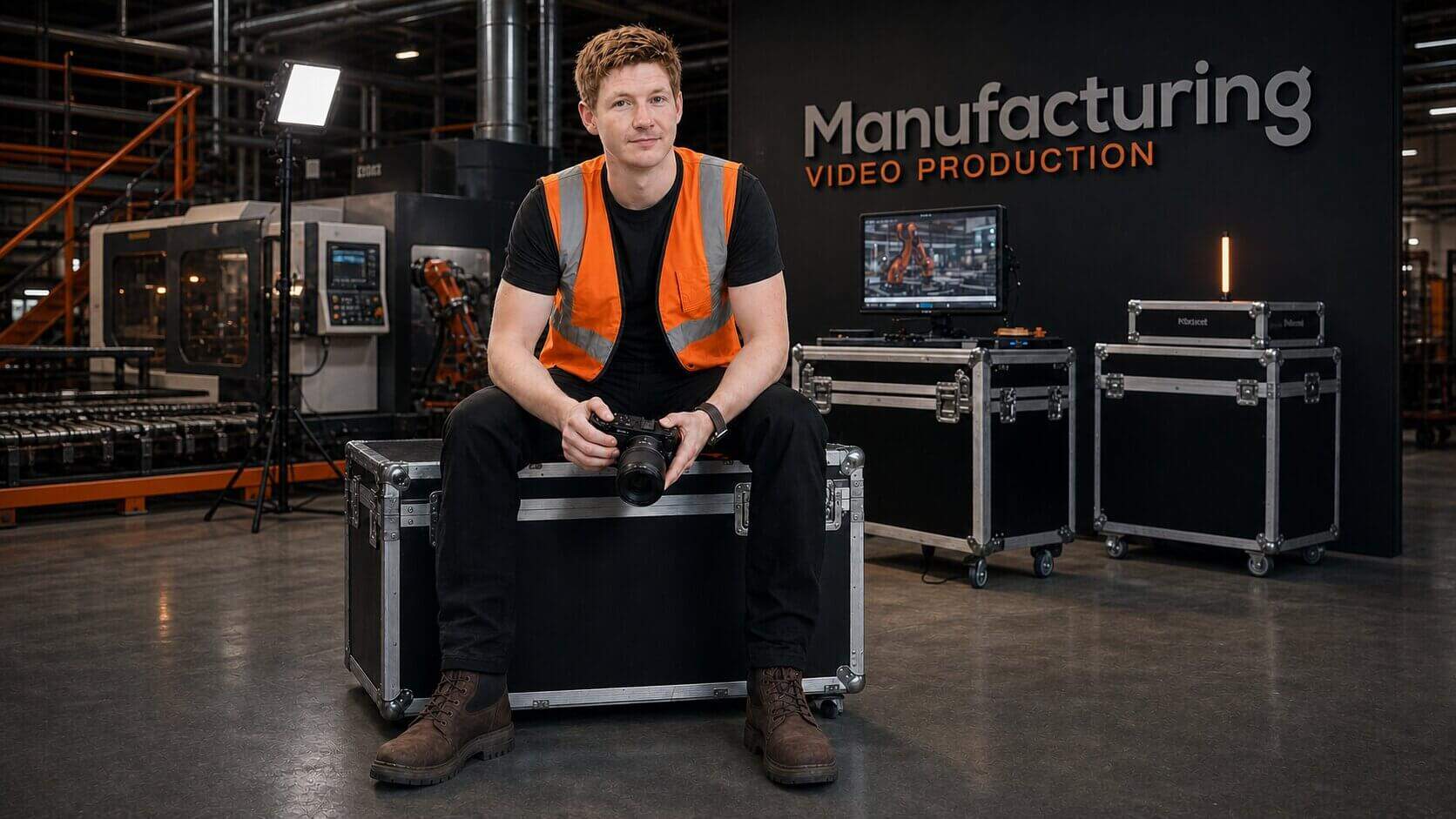
Robotics projects change more than the machinery on a factory floor. They alter sequences, responsibilities, safety controls and the way teams understand the process around them. That makes communication a critical part of any automation rollout. A well-planned industrial video production can show how a robotic cell works in context, helping technical, commercial and operational audiences see the value of the investment without reducing a complex project to a few glossy shots.
For manufacturers, the strongest film is not simply a record of a robot moving. It explains the problem that existed, the engineering decisions made and the practical result for people who use, maintain or buy the system. By documenting the transition from manual or semi-automated work to a controlled robotic process, video gives a rollout a clear narrative that can be reused long after the installation team has left site.
Explain the automation challenge before showing the solution
Viewers need context before they can appreciate an automated cell. A film can establish the original workflow, highlighting repetitive handling, awkward access, variable cycle times, quality risks or production constraints. That opening does not need to criticise the previous method. It needs to make the business case visible and show why robotics became the right response.
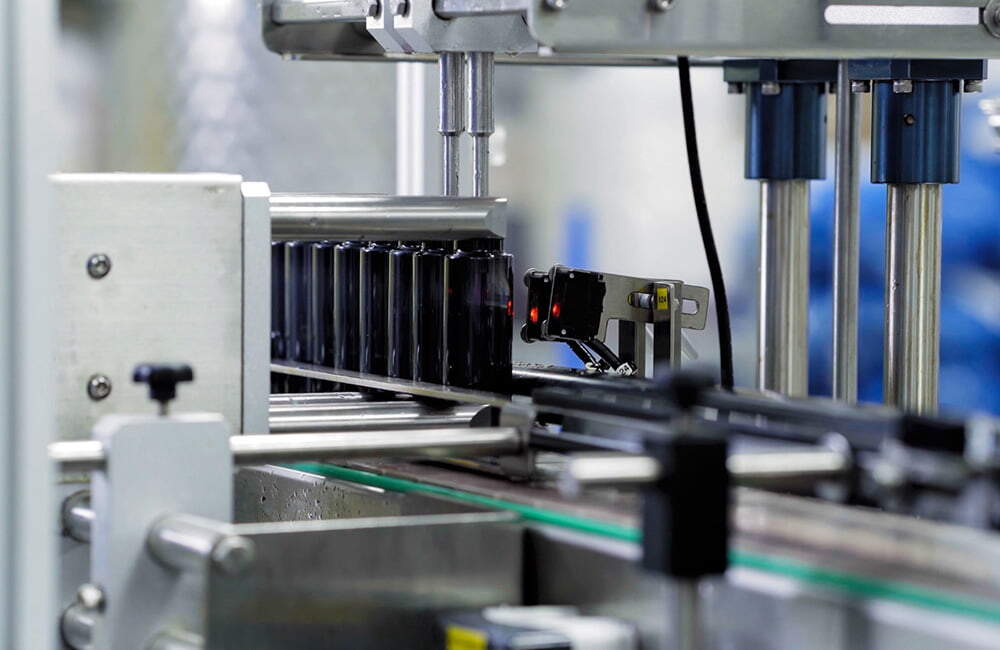
From there, the production can introduce the new system in stages: the material enters, sensors and controls guide the sequence, the robot performs its task, and the finished output moves to the next operation. Wide shots provide orientation while close details reveal grippers, tooling, guarding, conveyors and operator interfaces. This combination helps a non-specialist follow the process while still giving engineers enough visual evidence to recognise the work involved.
Turn a complex cell into a clear visual journey
Robotic installations often contain several linked systems, including vision equipment, safety interlocks, PLC logic, end-of-arm tooling and quality checks. Showing every component with equal emphasis can make a video feel like a catalogue. A better approach is to build a visual journey around the production objective, using graphics, cutaways and carefully chosen camera positions to explain how the elements work together.
Motion can be used selectively to clarify cause and effect. A tracking shot might follow a component through the cell, while an overhead angle reveals the relationship between stations. Detail shots can show a sensor confirming position or a fixture securing a part before the next operation. Where a sequence is too fast to read, considered slow motion or an annotated replay can make the key action understandable without interrupting the pace of the film.
Support safer adoption and operator confidence
Automation succeeds when the people around it understand their role. Video can support induction, toolbox talks and refresher training by showing normal operating conditions, access points, start-up routines and the boundaries between automated and manual tasks. It can also demonstrate how a team responds to a stop, a fault message or a planned changeover, provided the content is reviewed and approved by the responsible safety and engineering teams.
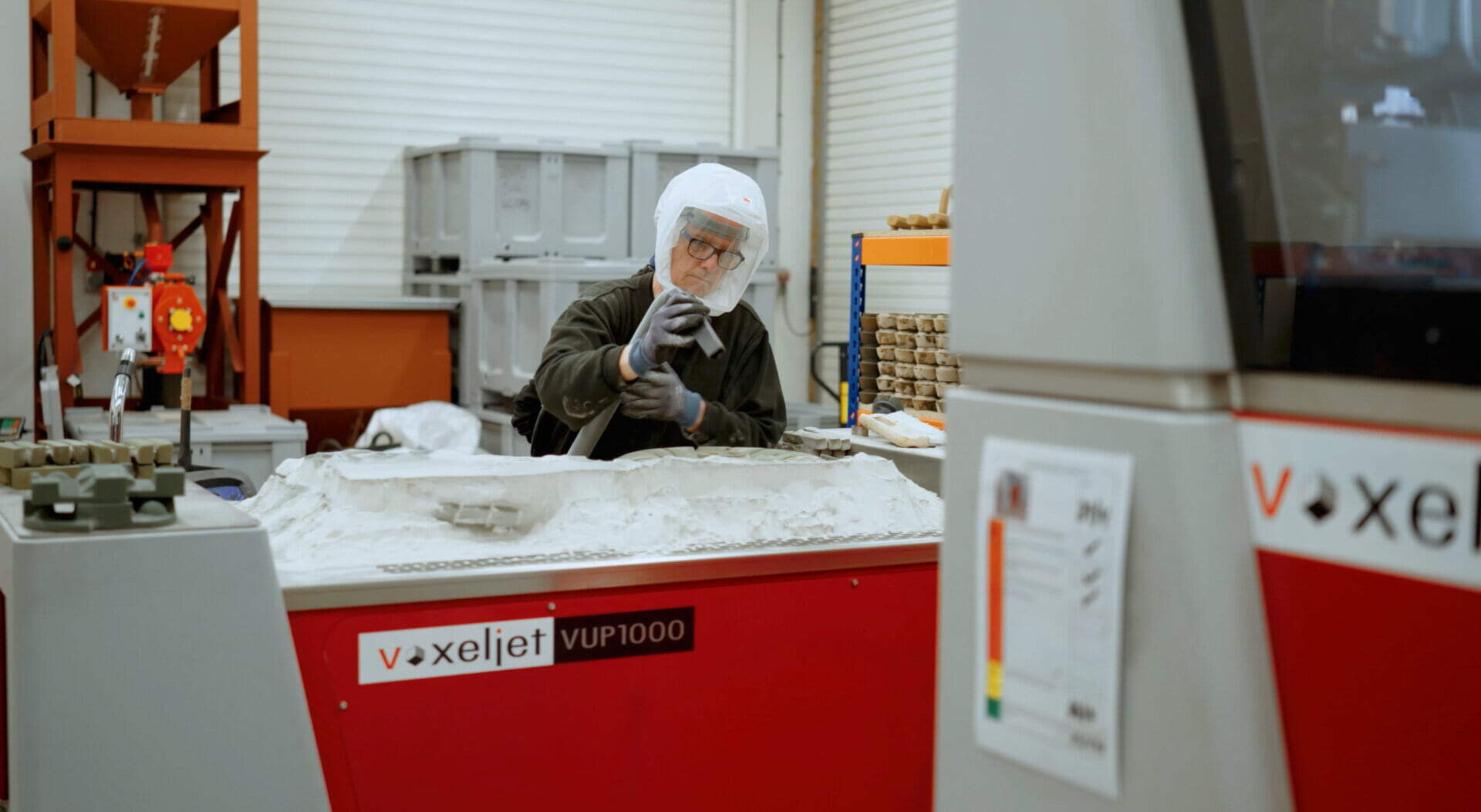
The tone matters. Operators should be shown as skilled partners in the process, not as obstacles being removed by technology. Interviews with production leads, automation engineers and experienced operators can explain what changed in everyday work and why. That human perspective often makes the difference between a film that is merely impressive and one that helps a workforce trust a new system.
Create evidence for customers, investors and internal teams
A robotics rollout may need to serve several audiences at once. Prospective customers want to see repeatability and application potential. Investors and senior leaders want evidence that capital has produced measurable operational value. Internal teams need a shared reference for what was delivered and what should happen next. A carefully structured production can capture these layers in one master film, then provide shorter edits for presentations, sales conversations, recruitment and social channels.
That is why planning should include the wider content journey from the start. Capture clean process footage, purposeful interviews, detail shots of the engineering work and neutral establishing views of the facility. A production partner experienced in manufacturing video production can help identify which material will remain useful as the system evolves, rather than creating a single-purpose launch video that dates quickly.
Plan filming around commissioning and production reality
Robotics projects rarely run to a simple filming schedule. Commissioning may involve staged testing, software changes, restricted access and short windows when the cell is operating at full rate. The production plan should therefore be built around milestones, with a clear list of scenes that can be captured during installation, dry runs, acceptance testing and live production.
Pre-production is where this flexibility becomes practical. Confirm the approved route through the site, identify safe camera positions, agree who can speak on camera and prepare a shot list that separates essential evidence from optional material. With the right preparation, the crew can work efficiently when the cell is available and avoid asking the engineering team to repeat valuable sequences simply because the camera was in the wrong place.
Make the rollout useful long after launch day
The best robotics film becomes part of the project record. It can help explain the investment to a new customer, give a new starter a visual overview, support a future upgrade discussion or preserve knowledge when key personnel move on. Subtitles, clear terminology and well-labelled versions make the content easier to reuse across departments and markets.
For manufacturers investing in automation, video is therefore more than a promotional layer. It is a practical communication asset that connects engineering detail with business purpose and human confidence. When the story is planned around the process, the people and the result, industrial video production can make a complex robotics rollout easier to understand, easier to share and easier to remember.