When a procurement team assesses a new supplier, a brochure rarely answers every practical question. Buyers want to see how a site operates, how people control risk, and whether the organisation can deliver consistently at the scale promised. Industrial video production can turn those hard-to-explain details into clear evidence for supplier audits, technical due diligence and confident purchasing decisions.
Show the operation behind the specification
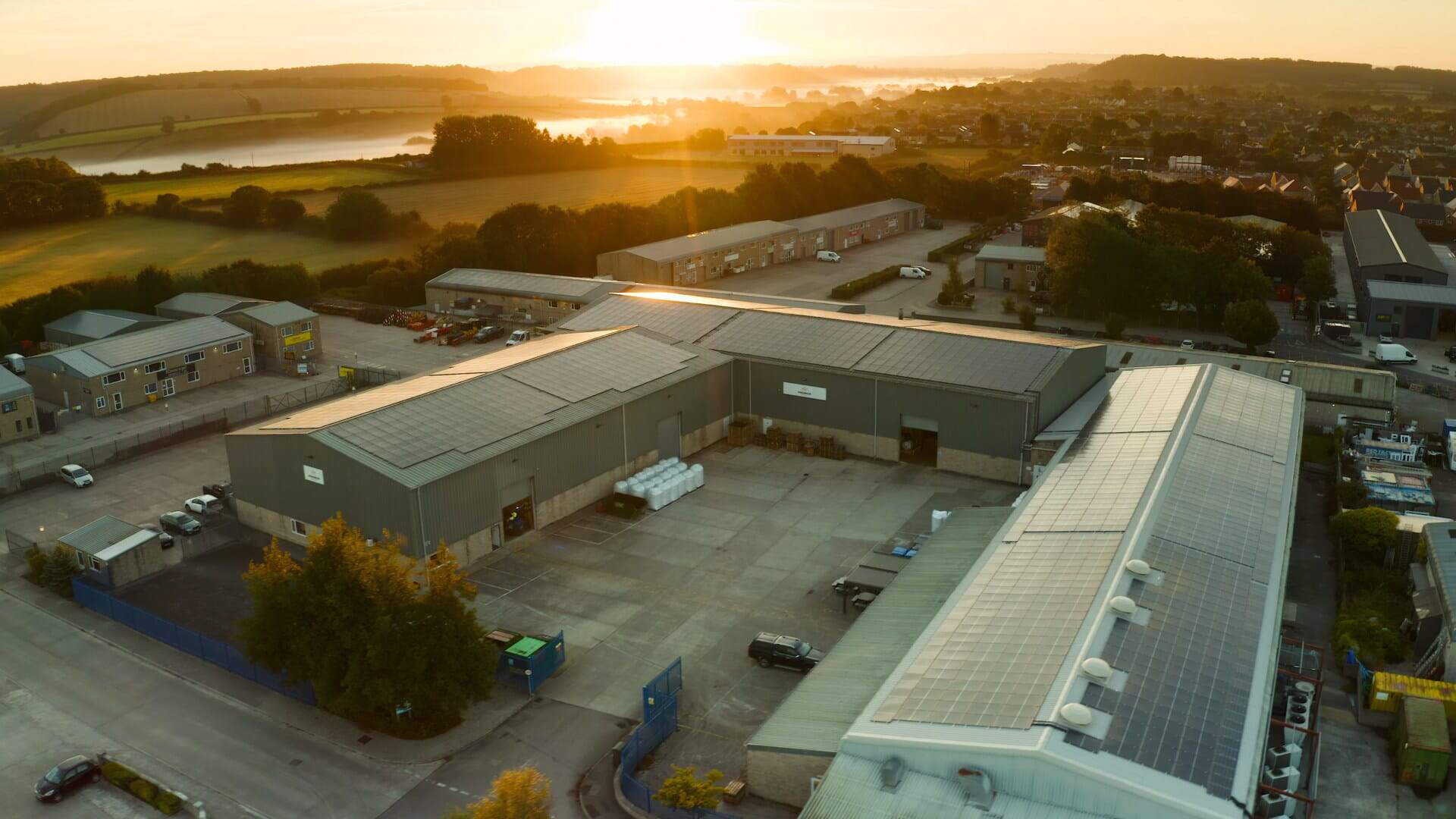
Product sheets explain what a supplier makes, but they do not always show how reliably the work is carried out. A well-planned film can take viewers through the production environment, from incoming materials and preparation to machining, assembly, testing and dispatch. The sequence gives prospective customers a visual understanding of flow, housekeeping, equipment capability and the checks built into the process.
This is especially useful when a buyer cannot visit every site in person. The video should not replace an audit or formal qualification process. Instead, it gives the audit team a consistent orientation before a visit and helps commercial stakeholders understand the operation without turning a technical facility into disconnected shots.
Make quality controls easy to understand
Quality systems can be difficult to communicate because much of their value sits in routines: identification, traceability, calibration, inspection records, controlled changes and sign-off points. Video can connect those routines to the physical areas where they happen. Close detail of labels, gauges, test equipment and documentation can sit alongside wider shots that explain who owns each decision.
The strongest approach is to agree the evidence with quality and engineering teams before filming. That prevents vague claims and keeps the finished piece grounded in observable practice. Where confidential information is involved, the production plan can use representative examples, carefully framed screens or staged demonstrations while preserving credibility.
Support remote supplier assessment
Supplier selection involves people across purchasing, engineering, quality, operations and finance. Each group asks different questions, and a long video that tries to answer everything can become difficult to use. A better structure creates chapters or short cut-downs: one for capability, another for quality assurance, another for capacity and resilience, and another for safety or environmental controls.
Those versions can be used at different stages. A procurement manager may share the overview internally, while an engineer watches testing and a quality lead focuses on traceability. Captions, clear on-screen labels and a measured voiceover make the content useful when viewed without sound or revisited weeks after the original presentation.
Protect trust through accurate production
Supplier videos need a different tone from general corporate marketing. Overstated language, dramatic music or shots that hide normal working conditions can create suspicion during due diligence. Planning should include a factual script, agreed terminology and a list of areas that can be filmed. The crew also needs to understand site rules, protective equipment, traffic routes and restrictions around customer or product information.
Good industrial filming is careful about continuity too. If a process is demonstrated out of sequence, the edit should make that clear rather than imply a misleading live run. Accurate captions and graphics matter as much as camera quality. These details signal that the supplier treats communication with the same discipline it applies to production.
Turn one audit film into a reusable sales asset
A supplier assessment film can continue working after the procurement project. Short extracts can support tender responses, distributor briefings, onboarding conversations and customer visits. Stills from the shoot can add context to capability pages, while a private version can help approved prospects understand a facility before signing a non-disclosure agreement.
To make reuse practical, plan the deliverables at the start: a main film, short technical chapters, captioned versions, selected stills and a library of clean process shots. This avoids returning to site for every new request. See our industrial video production service for a structured approach to filming complex operations, and explore manufacturing video production for content built around industrial audiences.
Plan around the buyer’s decision
The most effective supplier videos are decision-support tools built around the questions a buyer must answer: Can this organisation make the product? Can it control variation? Can it scale responsibly? Can its teams communicate clearly when something changes? By combining an honest visual record with a useful editorial structure, industrial video production helps procurement and technical teams spend less time interpreting claims and more time evaluating fit.