Industrial buyers rarely make decisions from a specification sheet alone. They need to understand how a machine works, where it fits into a process and what makes its performance credible. Industrial video production can turn that technical detail into a clear product demonstration that supports sales conversations without flattening the engineering behind it.
Start with the question the demonstration must answer
A strong demonstration is built around a practical question from the viewer. That might be how a new system reduces changeover time, how a component performs under pressure or how operators interact with a control interface. Defining the question first keeps the film focused and helps the production team decide which shots, measurements and explanations are genuinely necessary.
This approach is especially valuable when a product serves several audiences. A procurement lead may need evidence of reliability, an engineer may want to see the mechanism and an operator may be looking for safe, repeatable use. One well-structured film can address those needs in sequence, provided each section has a clear job.
Make complex machinery easy to follow
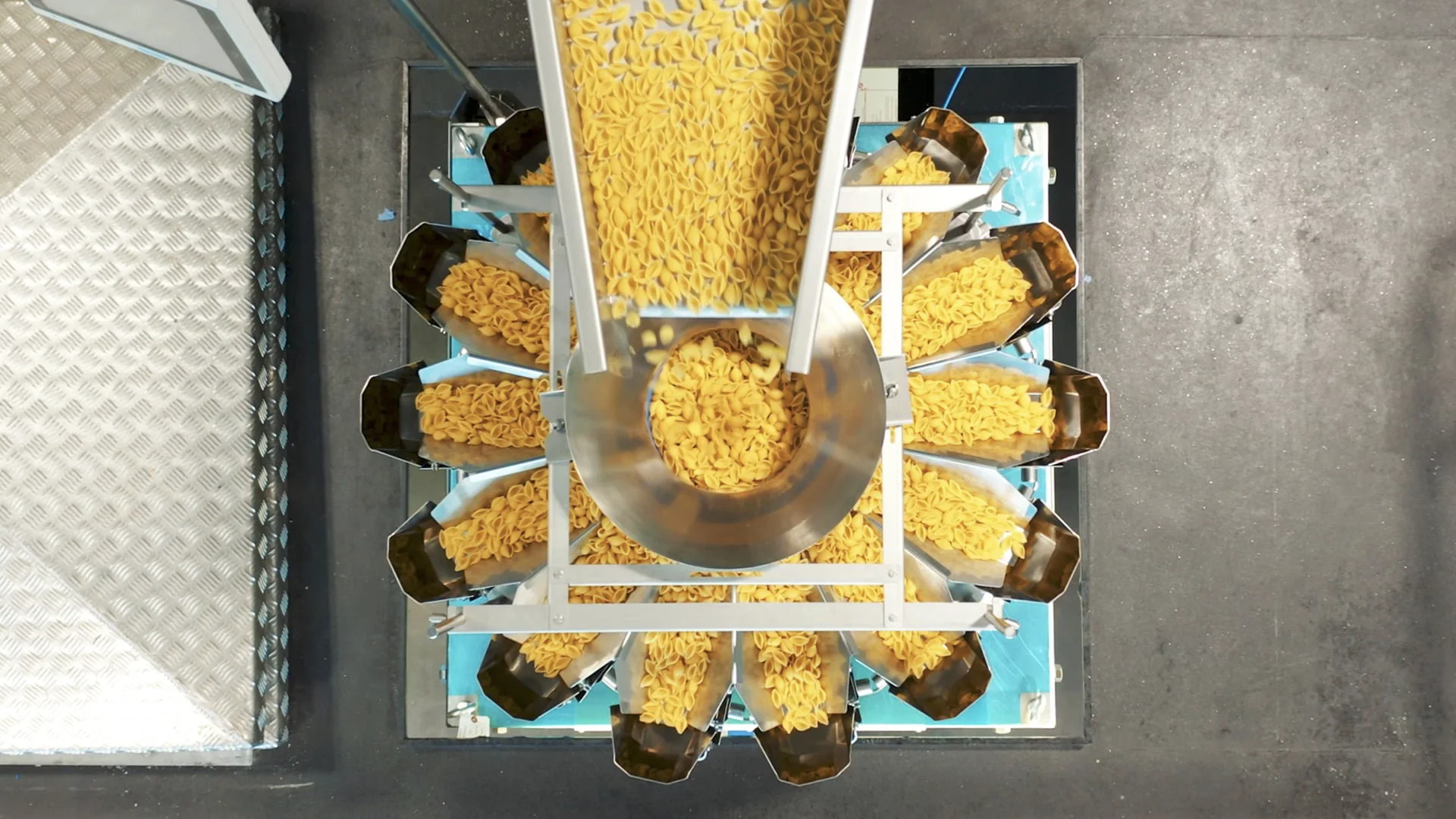
Technical product demonstrations work best when they move from context to detail. Begin by showing the equipment in the environment where it creates value, then introduce the relevant parts, controls or stages of the process. Close-ups, purposeful camera movement and carefully chosen cutaways help the audience build a mental model before the most detailed explanation begins.
Graphics can reinforce that model when the subject is too large, fast or enclosed to understand from a single viewpoint. Callouts, overlays and simple animation can identify a critical component or show the path of material through a system. The aim is not to decorate the film; it is to remove uncertainty for someone who may never have visited the facility.
Capture proof, not just polished pictures
Credibility comes from showing the evidence that matters. That could include a live cycle, an inspection step, a before-and-after comparison, a measured result or a short explanation from the person responsible for the product. A polished image is useful, but a viewer is more likely to trust the film when it connects visual detail to a specific operational benefit.
Planning the shoot around real demonstrations also protects the production from becoming a staged sales piece. The team can identify safe access points, repeatable actions and moments where the product’s performance is visible. Where a process cannot be shown in full, a combination of detail shots, diagrams and expert commentary can still tell the story accurately.
Build a film that supports the sales journey
A technical demonstration should be useful beyond a single meeting. The main film can introduce the product, while shorter edits answer common questions for a website, email campaign or trade-show screen. Chapters, captions and a concise opening make it easier for sales teams to share the right section with a prospect at the right time.
That content can sit alongside broader industrial video production work, including factory films and process-led content. For manufacturers with a wider portfolio, a manufacturing video production approach can create a consistent visual language across product launches, case studies and customer training.
Plan the demonstration around real use
The most effective technical product films are planned with engineers, operators and commercial teams together. They agree what must be shown, what can be stated and what evidence will help a buyer move forward. That shared brief gives the production team a clear route through the facility and reduces the risk of filming attractive but strategically weak material.
When the finished video respects both the engineering and the audience’s attention, it becomes more than a product overview. It gives viewers the confidence to understand the system, discuss it internally and take the next step with a clearer sense of its value.