Factory acceptance testing is where a new machine, line, or automated system has to prove that it does what was promised before it leaves the supplier or before the customer signs off on installation. The engineering evidence may be thorough, but it is often scattered across test sheets, commissioning notes, screenshots, and live demonstrations. Industrial video production can turn that evidence into a clear, durable record that helps technical teams agree on what was tested, what passed, and what still needs attention.
A well-planned film is not a substitute for formal test documentation. It is a practical layer around it. By showing the equipment operating in context, capturing the agreed sequence, and recording the voices of the people responsible for the acceptance criteria, video makes a complex handover easier to review. It can support factory acceptance testing, site acceptance testing, customer training, sales enablement, and future service work long after the original project team has moved on.
Plan the film around the acceptance criteria
The most useful footage begins with the test protocol rather than a generic request to “film the machine”. Before a camera arrives, the production team can work with engineering and project management to identify the moments that matter: the start-up sequence, changeover, safety interlocks, inspection points, output checks, alarms, reject handling, and the operator controls that the customer needs to understand. This creates a shot plan that follows the logic of the acceptance test and avoids spending valuable time on attractive but irrelevant detail.
That preparation is particularly important when the test takes place in a busy manufacturing environment. Production schedules, restricted areas, PPE requirements, temporary guarding, noise, and customer travel can all limit filming opportunities. A concise visual brief helps the crew capture repeatable evidence without interrupting the test. It also gives the client a clear opportunity to identify confidential information, proprietary interfaces, or process stages that should not appear in the final edit.
Show performance in a way clients can verify
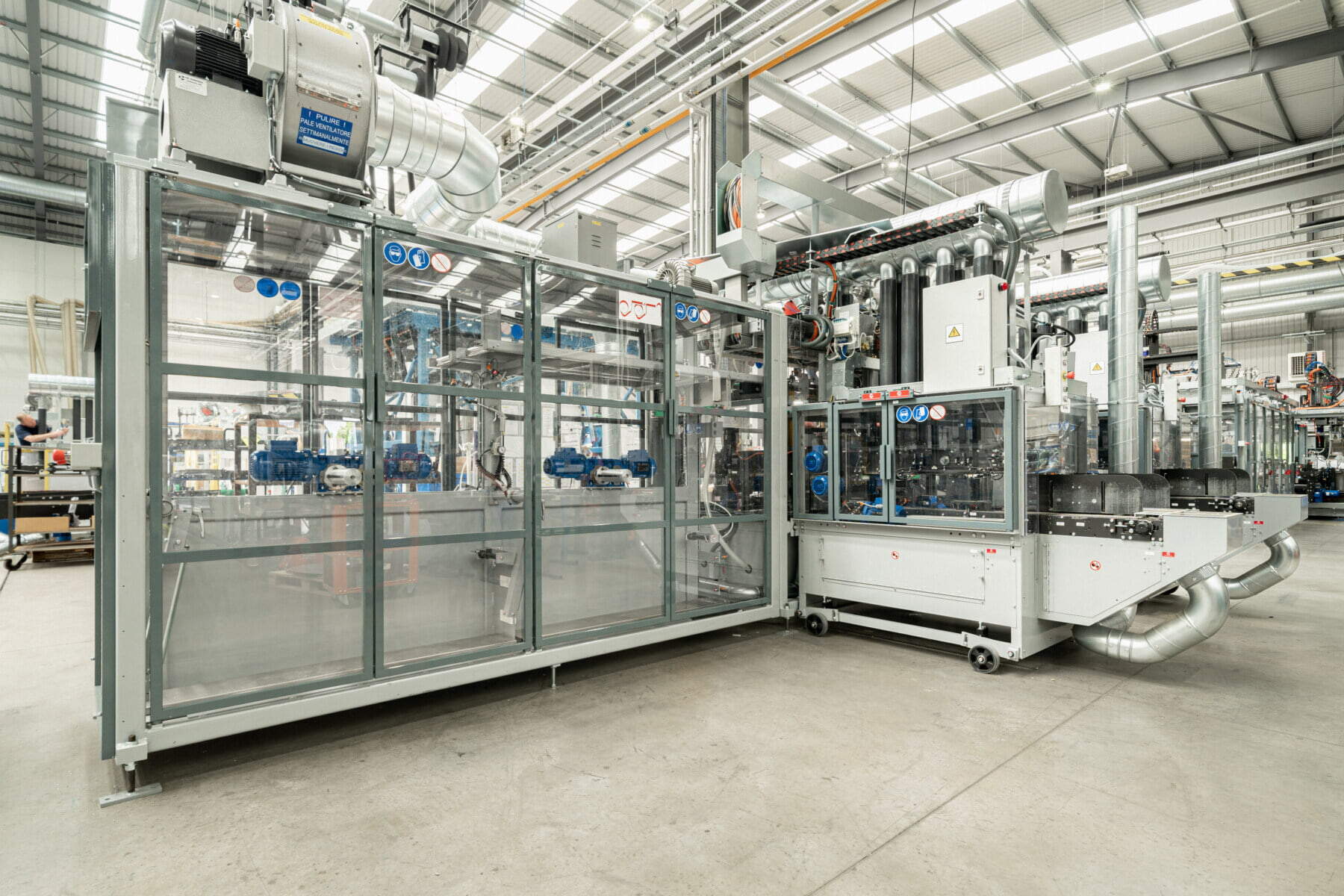
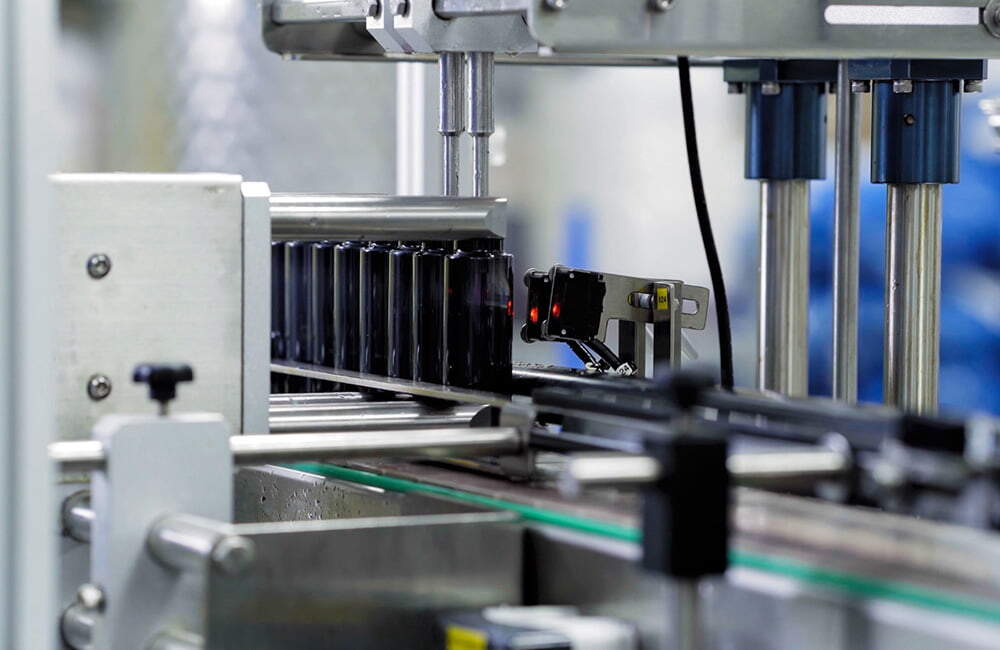
Acceptance footage should make it easy for a viewer to understand the relationship between the test instruction and the result. Wide shots establish the machine, production cell, or line layout. Medium shots show how the operator interacts with controls and materials. Close-ups reveal sensors, tooling, displays, product quality, and safety features. Cutaways of test sheets, gauges, counters, or inspection equipment can connect the visible action to the measured outcome without turning the film into a dense screen recording.
Good industrial video production also respects the difference between a demonstration and proof. A staged sequence may explain how a system works, but the audience should know when it is watching a controlled demonstration and when it is seeing a formal test result. Clear on-screen labels, spoken context, time stamps where appropriate, and a disciplined edit help preserve that distinction. The finished video becomes more credible when it acknowledges the conditions of the test instead of presenting every result as a polished promotional claim.
Capture the knowledge behind the handover
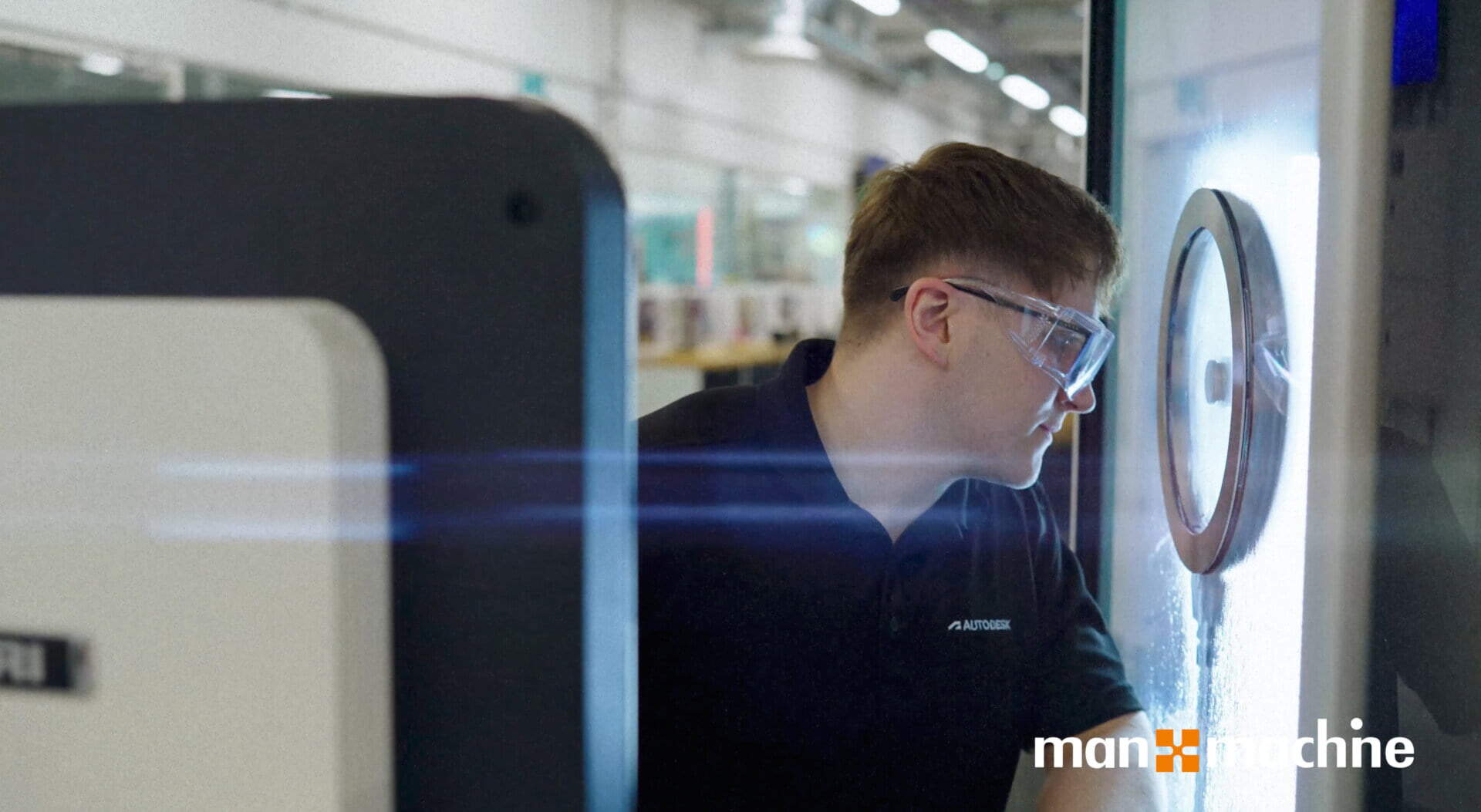
The most valuable acceptance information is often held by people rather than documents. An applications engineer can explain why a parameter matters. An operator can point out a practical adjustment that is not obvious from the HMI. A project manager can describe the agreed scope, while a customer representative can confirm what successful operation looks like from the user’s perspective. Short, well-prepared interviews give the footage a human and technical structure without requiring every contributor to deliver a formal presentation.
That knowledge can then be reused in a wider communications system. A full acceptance film may sit in a secure customer portal, while shorter extracts support service teams, distributor training, or an internal knowledge base. This is closely related to the role of industrial video for technical documentation and knowledge bases. When the edit is planned with future uses in mind, a single shoot can produce a more useful library of sequences, explanations, and reference shots.
Make the final video useful after sign-off
Once the test is complete, the edit should be structured for the people who will actually use it. A concise overview can provide an executive record of the outcome, while chaptered sections can guide engineers directly to a subsystem, test stage, or operating mode. Captions and accurate terminology matter when the video will be watched in a noisy plant, shared internationally, or reviewed by people who are not native speakers. Where security or commercial sensitivity is involved, separate internal and customer-facing versions may be more appropriate than one compromise edit.
The same visual discipline can support later commissioning and site handover work. A customer who has seen the machine pass a defined sequence at the supplier’s facility has a stronger reference point when the equipment is installed, integrated, and tested again on site. Teams can also compare the original configuration with later changes, which is valuable for troubleshooting and lifecycle support. For related work, see how industrial video can support machine commissioning and site acceptance.
Turn acceptance evidence into customer confidence
Factory acceptance testing is a technical milestone, but it is also a moment when confidence is either strengthened or lost. A carefully produced film helps both sides leave with the same understanding of what happened and why the result matters. It gives suppliers a professional way to explain capability, gives customers a record they can share internally, and gives future teams a reliable visual reference. With the right planning, industrial video production makes acceptance evidence clearer, more reusable, and more valuable across the whole equipment lifecycle.