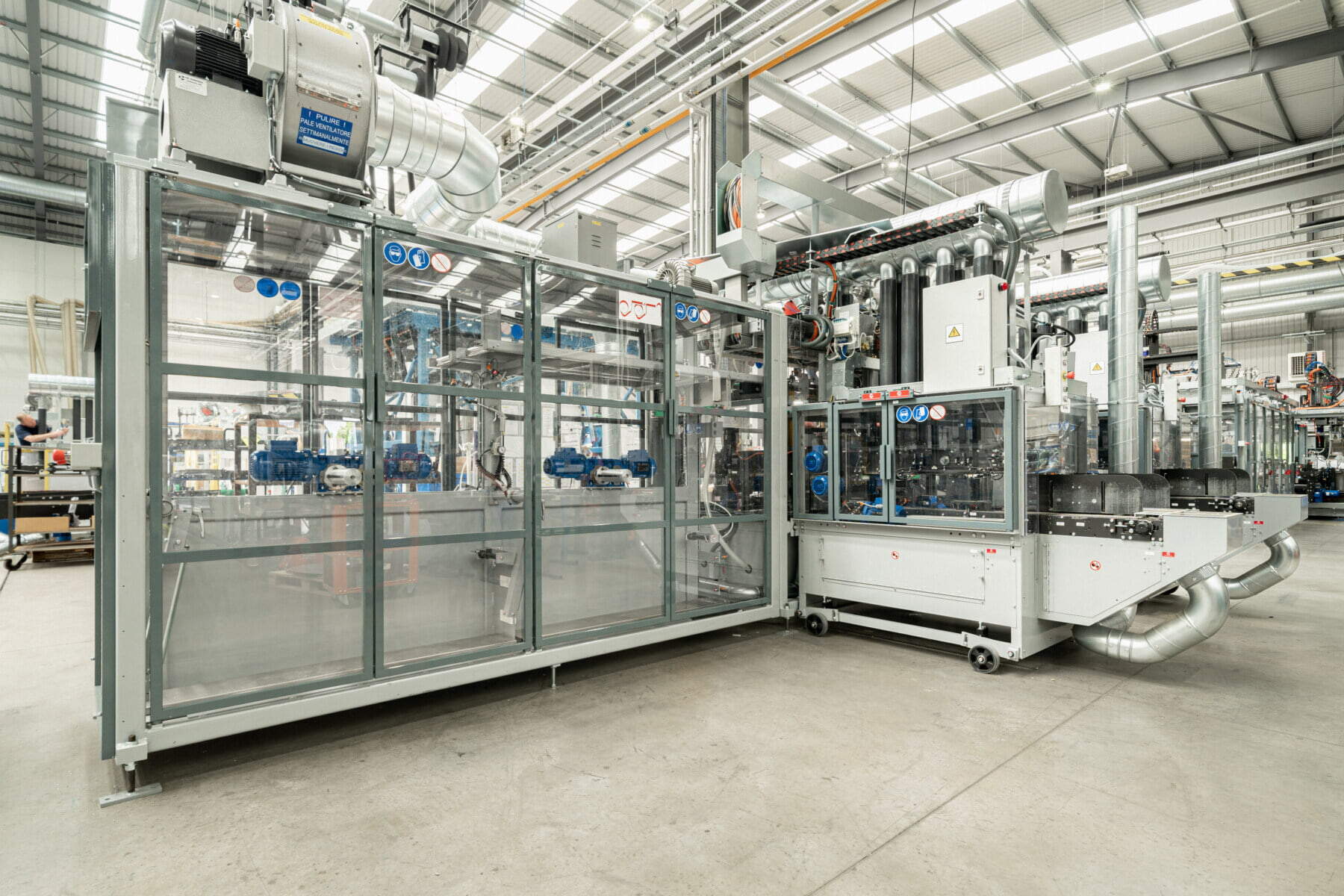
Machine commissioning is where engineering intent meets operating reality. A new line, piece of equipment or automated cell may have been designed, built and tested, but the final handover still depends on people seeing that it performs in the way the project promised. Industrial video production gives commissioning teams a practical record of that transition, turning a complex technical milestone into clear evidence that clients, operators, service teams and senior stakeholders can understand.
The strongest commissioning films are not simply a camera pointed at a machine while it runs. They are planned around the questions that matter at acceptance: what was installed, what sequence was tested, which safety controls were demonstrated, how did the system respond under load, and what should the next team know before taking ownership? With the right preparation, one production can create a concise handover film, useful training extracts and a durable visual reference for future support.
Why commissioning projects benefit from a visual record
Commissioning often involves several audiences with different levels of technical knowledge. The project engineer may want to prove that a sequence operates correctly, while a production manager needs confidence that the equipment can be integrated into a working shift. Operators may need to understand start-up and changeover routines, and a customer’s leadership team may want a clear view of the capability they have invested in. A well-structured video can connect those perspectives without forcing every viewer through the same dense report.
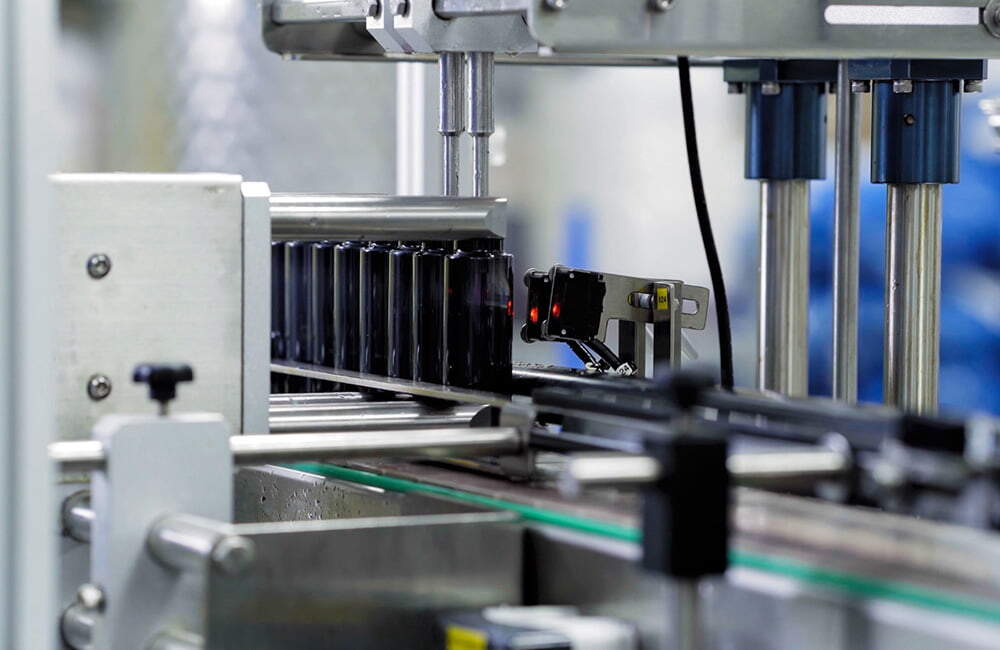
Video is particularly useful when the important information is physical or sequential. A written instruction can describe the movement of a robot, the interaction between conveyors and sensors, or the correct response to an alarm, but footage shows timing, access, scale and context immediately. That makes it easier to revisit a decision after the commissioning team has left site and helps preserve knowledge when the people closest to the installation move on to another project.
Plan the story around acceptance criteria
Before filming, the production team should work with engineering and project leads to map the acceptance criteria into a simple visual sequence. This might begin with the equipment in its finished environment, followed by the operating principle, the test conditions, the demonstration itself and the result. If there are different modes, formats or recipes, the film can explain why each test matters rather than presenting a disconnected collection of shots.
That planning stage also protects the schedule. Live commissioning is rarely predictable, so filming should be organised around the moments that cannot be recreated easily: a first successful cycle, an integrated line test, a customer witness test or a controlled demonstration of a safety function. A short pre-production brief can identify permissions, clean areas, exclusion zones, required PPE, likely noise levels and the people who can accurately explain the system on camera. This is the same disciplined approach used when planning video for factory acceptance testing and client sign-off.
Capture proof without interrupting the team
Commissioning footage needs to feel authoritative, but the filming process must not become another obstacle on the project plan. A compact crew, agreed filming windows and clear communication with the site contact help the production stay out of the way when engineers are diagnosing issues or adjusting the system. It is often more valuable to capture a small number of carefully chosen runs than to record every cycle and leave the editor with hours of material that lack a clear purpose.
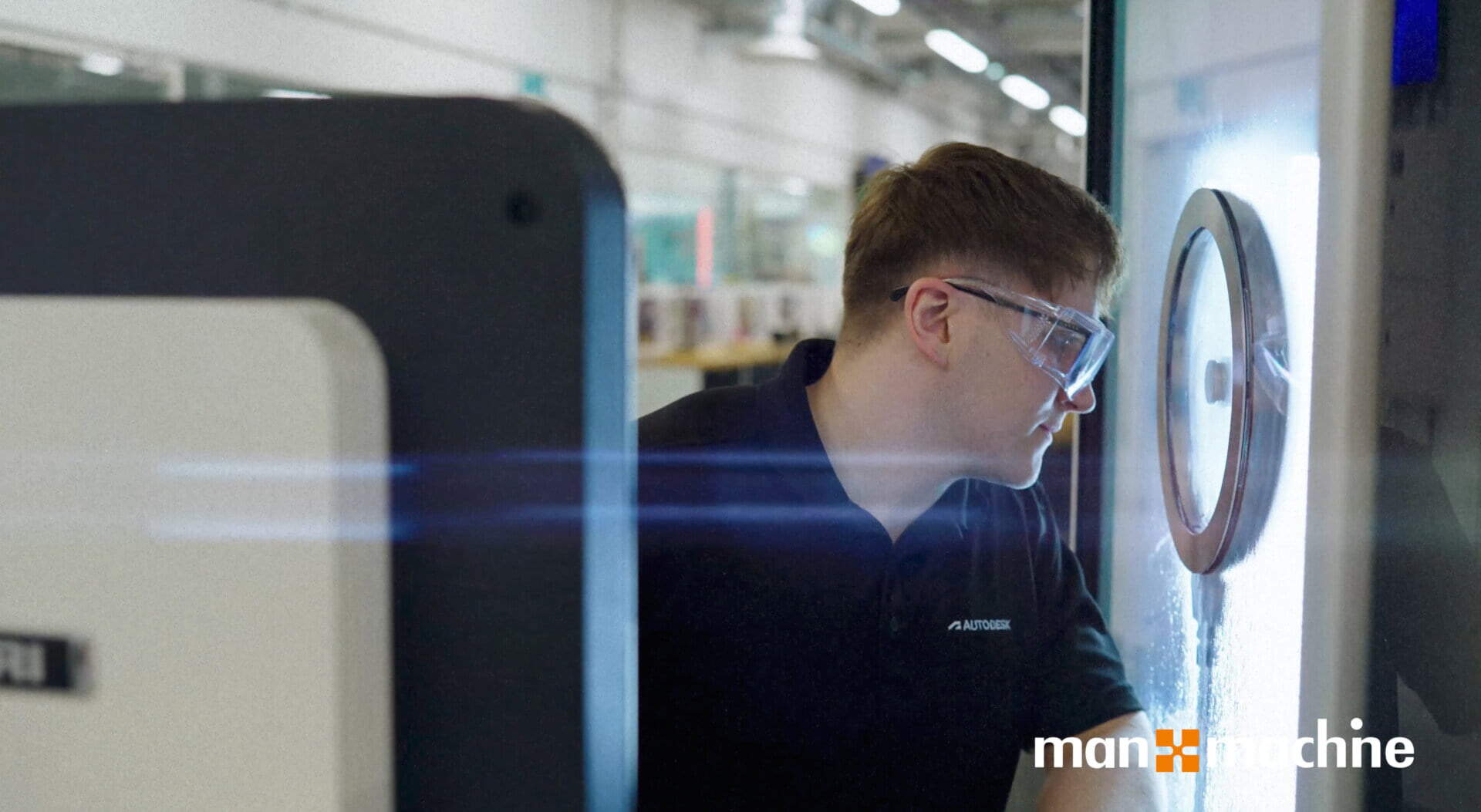
Useful coverage includes wide shots that establish the installation, close details of controls and interfaces, safe operator interaction, material movement, inspection points and the surrounding production context. Interviews should be concise and practical. An engineer explaining what the test proves, or an operator describing the handover point, can provide meaning that the machine footage alone cannot. Where a process is too fast or visually complex, diagrams, labels, slowed sections or simple animated overlays can make the sequence easier to follow while keeping the evidence grounded in real footage.
Turn one shoot into a handover toolkit
A commissioning production can deliver more than one finished film. The main edit might provide a polished overview for the customer, while shorter chapters cover start-up, normal operation, cleaning, changeover or escalation routes. Selected clips can support internal training, sales conversations and service documentation. If the installation is part of a wider digital twin or remote operations project, the footage can also add human and physical context to data-led interfaces.
It is worth agreeing the future uses before the shoot begins. Framing, sound recording, release permissions and the way technical terms are explained all change depending on whether the final audience is a customer board, a maintenance engineer or a new operator. Delivering a small, well-labelled library of clips alongside the hero film can make later updates faster, especially when the next phase of the project introduces a new tool, software version or production format.
Make the final film useful after handover
The best commissioning videos remain useful because they are specific without becoming confusing. They name the system, show the operating context and explain the result in language that the intended viewer can act on. They also acknowledge boundaries: a demonstration film should not imply that one successful run replaces formal documentation, risk assessment or acceptance records. Instead, it should work alongside those materials by showing what the written record cannot easily convey.
For manufacturers, integrators and engineering teams, that combination of clarity and evidence can strengthen the entire handover process. Industrial video production helps make technical achievement visible, protects valuable project knowledge and gives every stakeholder a more confident starting point for the next stage of operation. When the story is planned around the commissioning objective, the finished film becomes part of the project infrastructure rather than a piece of promotional content added at the end.