Industrial companies often hold their most valuable knowledge in places that are difficult to search: an experienced engineer’s memory, a supervisor’s annotated notebook, or a demonstration given once beside a machine. When those people change roles, support requests increase or a process moves to another site, important detail can disappear with them. Industrial video production gives technical teams a practical way to capture that knowledge and turn it into a reusable resource.
A well-planned technical video is more than a camera pointed at an operator. It shows the right component, sequence, measurement, decision point and safety consideration in a form that people can revisit when they need it. Used alongside written procedures, drawings and digital work instructions, video can make a knowledge base easier to understand without replacing the controlled documentation that engineering and quality teams rely on.
Why technical knowledge is difficult to preserve
Manufacturing knowledge is often highly contextual. An engineer may know that a vibration is unusual, that a certain valve needs a slower adjustment, or that a product should be positioned in a particular way before inspection. These details are easy to demonstrate but surprisingly difficult to explain in a short email or a page of text. A video can preserve the visual cues that make the instruction meaningful, including hand positions, tool orientation, indicator readings and the condition of the equipment before work begins.
There is also a continuity challenge when production expands, shifts change or a business operates across several facilities. New starters need a consistent introduction, while experienced staff need a dependable reference for less frequent tasks. A searchable collection of short, clearly named videos can reduce the need for the same explanation to be repeated by a small group of specialists. This is especially useful when a process is technically important but not performed often enough to remain familiar to everyone.
Planning a video knowledge base around real user questions
The strongest projects begin by mapping the questions people actually ask. Instead of producing one long film called “How the line works”, a team might identify separate resources for setup, normal operation, changeover, cleaning, inspection, fault symptoms and escalation. Each video then has a clear job and can be placed next to the relevant document, asset record or training module.
Planning should also define the audience and the level of detail. An operator may need a concise visual sequence, whereas a maintenance engineer may need close views of access points, readings and acceptable tolerances. A customer-facing service video will require different language and visual priorities again. A useful production brief records the intended viewer, prerequisite knowledge, equipment state, required personal protective equipment and the point at which the viewer should stop and seek assistance.
For processes that change regularly, it is sensible to design a modular library. Short modules can be replaced when a component, software screen or work instruction changes, avoiding the cost and confusion of re-recording an entire programme. This approach also supports digital work instructions and standardised work, where each clip can sit beside the exact step it illustrates.
Showing the detail that written documents cannot
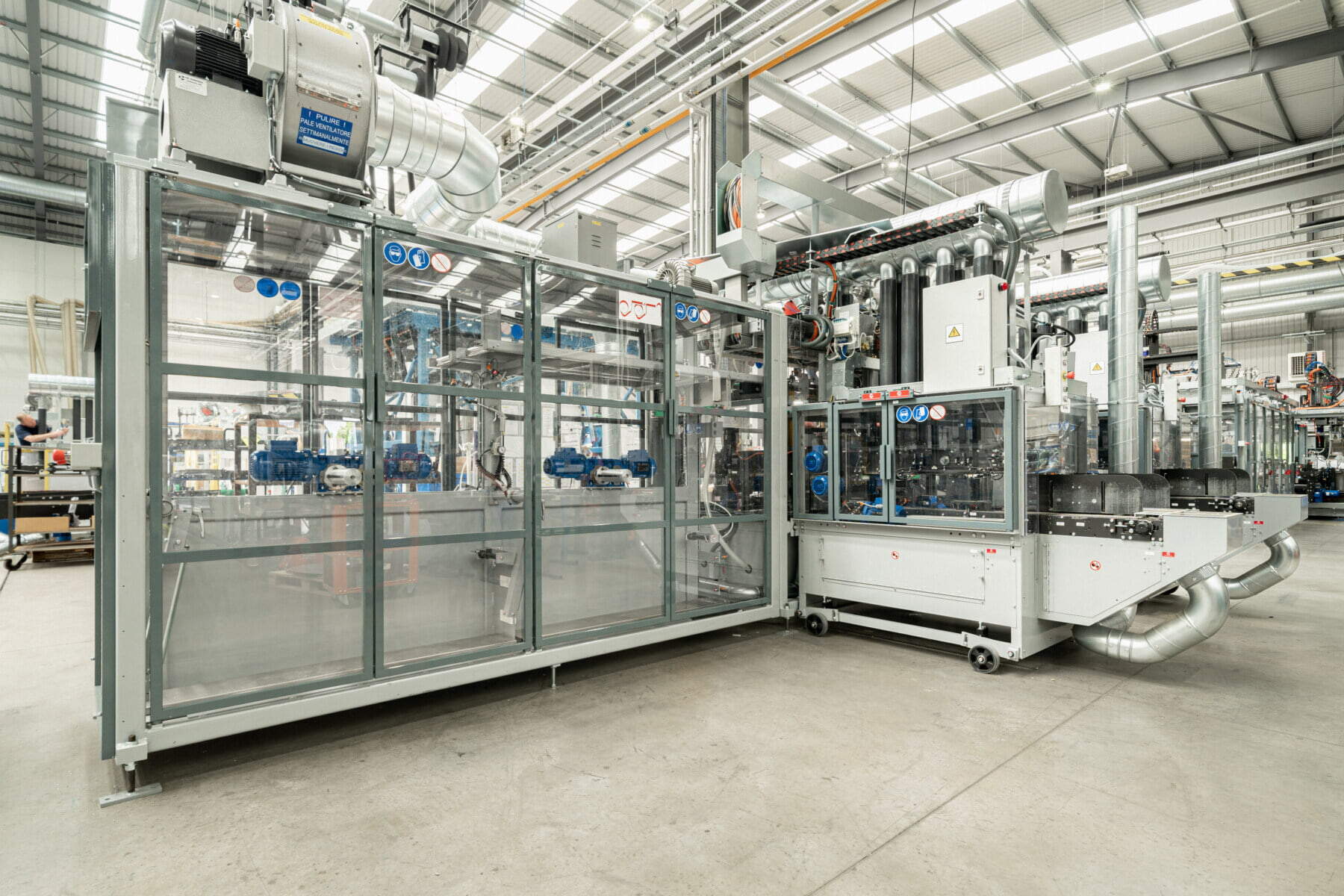
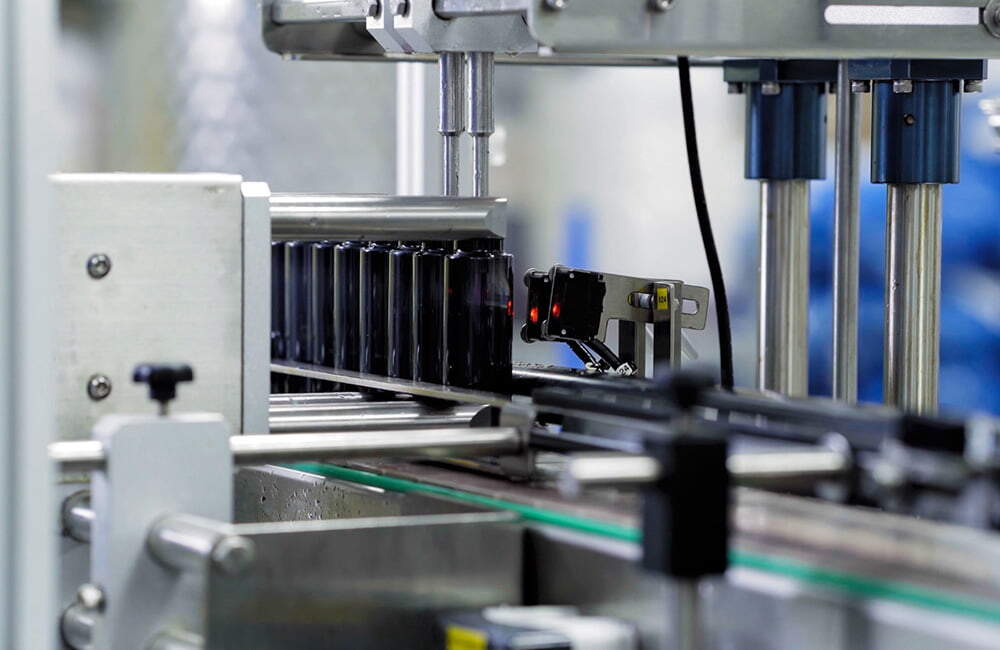
Technical documentation benefits from deliberate visual coverage. A wide shot establishes where the work happens, but close-ups reveal the information that allows someone to repeat it accurately. The production team may need to capture a serial plate, a gauge reading, a connector orientation, a tool setting or the moment a component reaches its correct position. Lighting, camera movement and lens choice all matter because reflections, guarding and confined access can hide the detail viewers need.
Good audio is equally important. Clear narration can explain why a step matters, while carefully recorded natural sound can help identify abnormal operation or confirm that a sequence has been completed. If the environment is too loud for on-location speech, the same explanation can be recorded as a controlled voiceover. Captions, transcripts and on-screen labels make the library easier to search and more useful for teams working across languages or in noisy production areas.
Connecting video with controlled technical information
Video should have an owner, a review date and a visible relationship to the controlled information around it. A knowledge base entry can identify the machine or process, revision number, related procedure, applicable risk assessment and the person responsible for approval. This prevents an attractive but outdated clip from becoming an unofficial instruction after a design or process change.
Production teams can also structure each video with a consistent opening and closing. A short introduction identifies the asset and task; the main section demonstrates the work; the closing reinforces checks, escalation points and where the latest written procedure is stored. For customer onboarding or equipment handover, this kind of structure complements customer onboarding and equipment handover videos while keeping the technical content organised.
Making the library useful after filming
Publishing the videos is only the beginning. File names, descriptions, keywords and links should reflect the terms that operators, engineers and service teams actually use. A search for a machine name, fault code, product family or task should lead to the right clip quickly. Short chapters or time-coded sections can help a viewer jump to a calibration step without watching an entire sequence.
Usage feedback can reveal where the library needs improvement. Repeated questions may show that a clip needs a clearer close-up, a missing warning or a better explanation. Review cycles should be planned around engineering change, maintenance schedules and compliance requirements rather than left to chance. When managed this way, industrial video production becomes part of the company’s operating knowledge: it supports training, reduces dependency on individual experts and helps technical teams communicate consistently across locations.
For complex projects, a production partner can help convert specialist knowledge into a practical filming plan while respecting site safety, confidentiality and production constraints. The result is not simply a collection of videos, but a durable technical resource that keeps valuable understanding available to the people who need it.