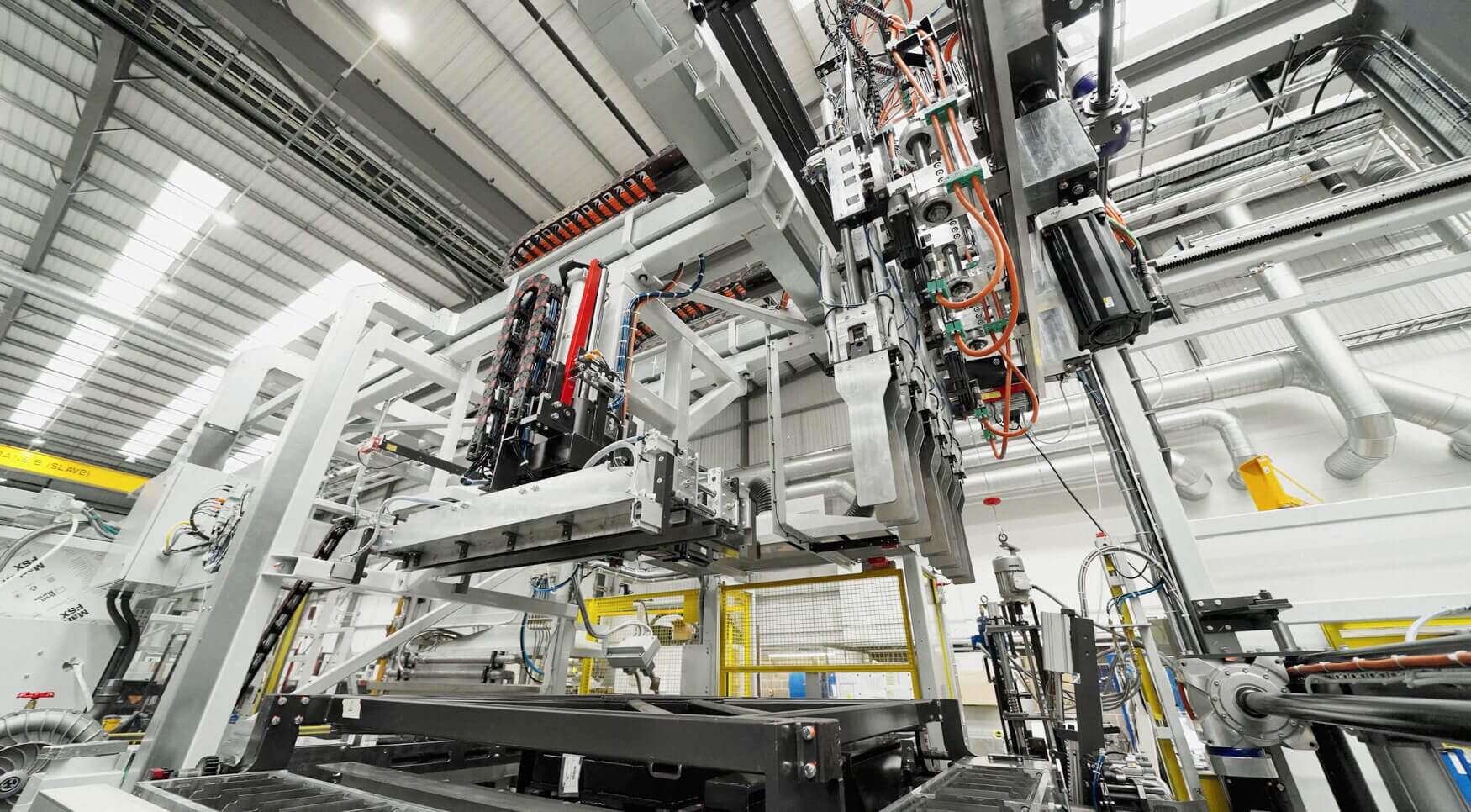
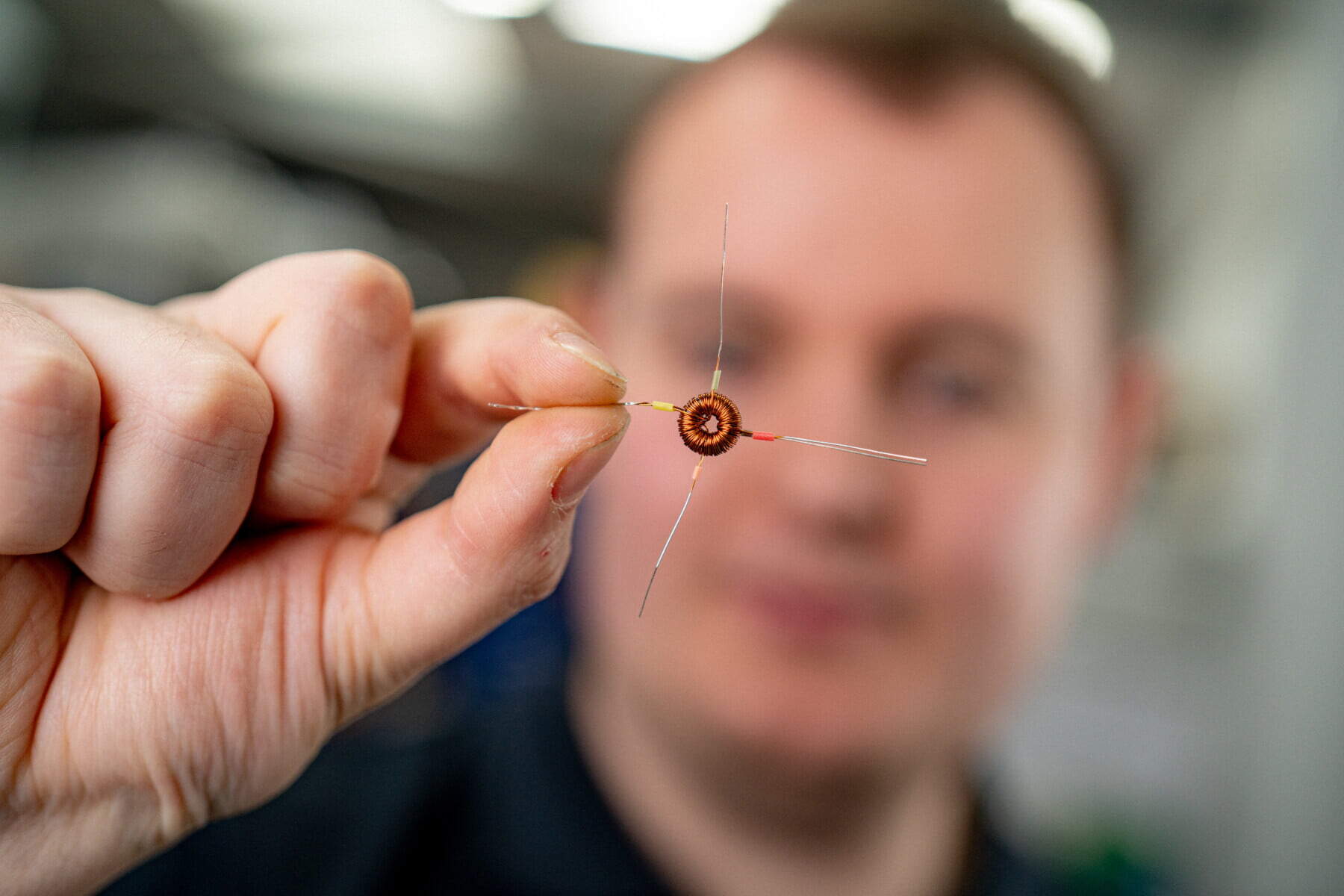
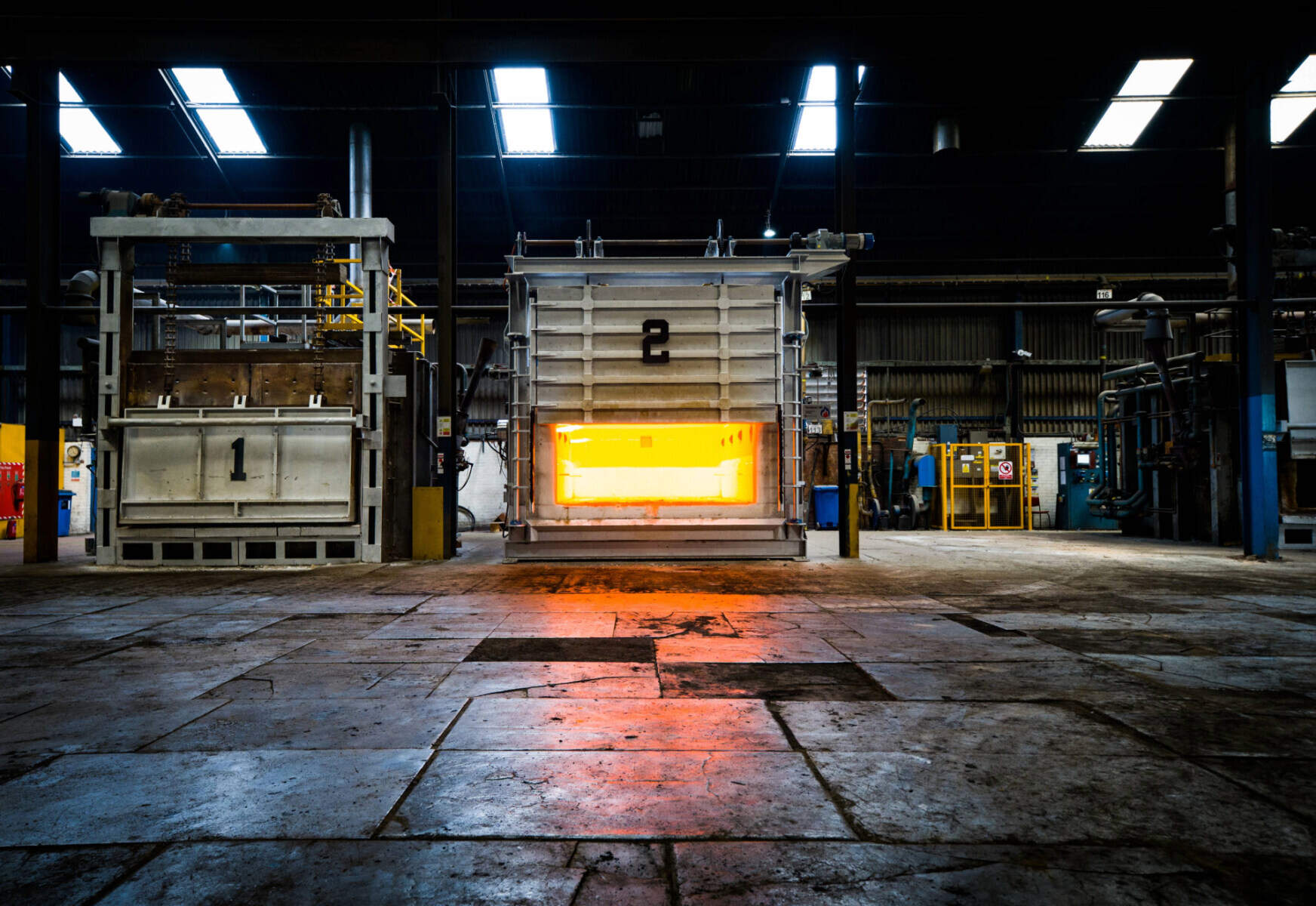
Industrial businesses collect more operational data than ever, but a spreadsheet or dashboard does not always make performance easy to understand. Production leaders may be looking at output, downtime, quality, safety, and energy figures while customers, directors, or improvement teams need a clear explanation of what those numbers mean on the factory floor. Industrial video production can bridge that gap by showing the people, equipment, and decisions behind the data.
A well-planned film turns performance information into a practical story. It can show the starting point, explain the intervention, and make the resulting change visible without relying on a long presentation. For manufacturers, this creates a reusable communication asset for internal reviews, customer conversations, investment cases, and continuous improvement programmes.
Making factory performance easier to see
Data is most useful when people can connect it with a real process. A chart might show that changeover time has fallen, but video can show how operators prepare tooling, where the previous delays occurred, and which decisions made the improvement possible. Close-up shots of controls, material movement, inspection points, and team briefings give the figures a physical context.
This is particularly valuable when performance reviews involve people who do not work on the line every day. A board member, prospective customer, or colleague from another site can understand the operational story more quickly when the evidence is presented visually. The film should not replace accurate reporting; it should help audiences interpret that reporting and remember the operational detail behind it.
Building a narrative around improvement
The strongest performance films are structured around a clear question. What needed to improve, why did it matter, and what changed? That could involve a reduction in scrap, a more stable production schedule, improved first-time quality, or a safer way of completing a recurring task. Establishing the problem before presenting the result gives the audience a reason to follow the story.
Interviews with production managers, engineers, and operators can explain the decisions in plain language. Their contributions become more credible when supported by observational footage: the line running, the revised work area in use, or a team reviewing results together. Where exact figures are commercially sensitive, the film can still communicate direction, method, and outcome without revealing confidential information.
Filming the details that support the numbers
Performance reviews often depend on small details that are difficult to capture in a wide establishing shot. A camera can record a sensor reading, a quality check, a visual standard, a digital work instruction, or a controlled handover between shifts. These moments show that the reported improvement is connected to repeatable behaviour rather than a one-off claim.
Planning matters because factories are working environments, not studios. The production team needs to understand access, PPE, safe operating distances, permitted filming areas, and the rhythm of the shift. A concise shot list can capture the essential evidence while keeping disruption low. It also helps the crew collect clean cutaways and process transitions that make the finished edit easier to follow.
Creating content for more than one review
A single long film may support a formal business review, but shorter edits can extend its value. A two-minute overview can introduce an improvement project, while focused clips can explain a particular process, share a lesson with another site, or support a customer meeting. Captions, diagrams, and carefully selected graphics can help viewers understand metrics without requiring specialist knowledge.
This approach also supports wider industrial video production activity. Footage captured for an operational review may contribute to a case study, a training resource, a recruitment story, or a sales presentation, provided permissions and messaging are planned from the beginning. Thinking about these future uses during the brief usually produces a more flexible and cost-effective shoot.
Choosing the right production partner
Industrial filming requires more than attractive images. The production team needs to work safely around active operations, listen to technical explanations, and identify the moments that carry genuine evidence. They should be comfortable shaping complex information into a concise narrative while protecting confidential processes and following the site’s communication requirements.
Before commissioning a project, define the audience, the performance question, the data that can be shown, and the action viewers should take after watching. A clear brief gives the crew a stronger foundation for interviews, filming, graphics, and editing. If the film needs to support a wider campaign or several internal audiences, discuss those requirements early. To explore how a production could support your next factory review, contact Industreel with the operational story you need to communicate.