When a company is comparing locations for a new factory, expansion or production hub, spreadsheets only show part of the decision. Investors, development partners and senior teams also need to understand how a site works in practice: how materials move, where people operate, what infrastructure is already in place and whether the environment supports the proposed plan. Industrial video production can turn that operational reality into a clear, shareable case for investment.
A well-planned film gives a site a sense of scale and context that photographs often miss. It can show the relationship between buildings, access roads, loading areas, utilities, production zones and neighbouring operations in a single narrative. For a project team working across different regions, that visual reference can make early conversations more productive and reduce the need for every stakeholder to make a separate visit.
Showing the site as an operating system
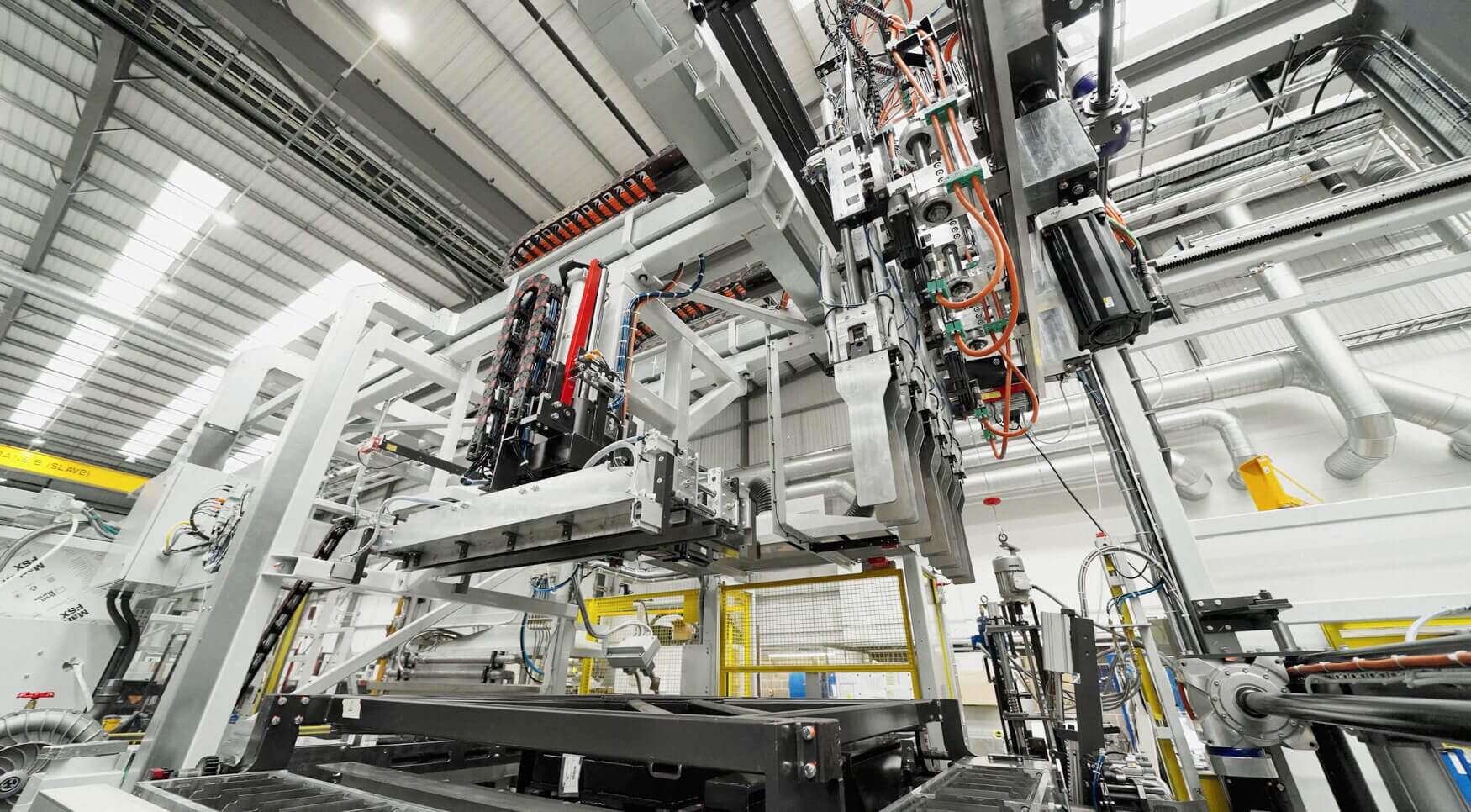
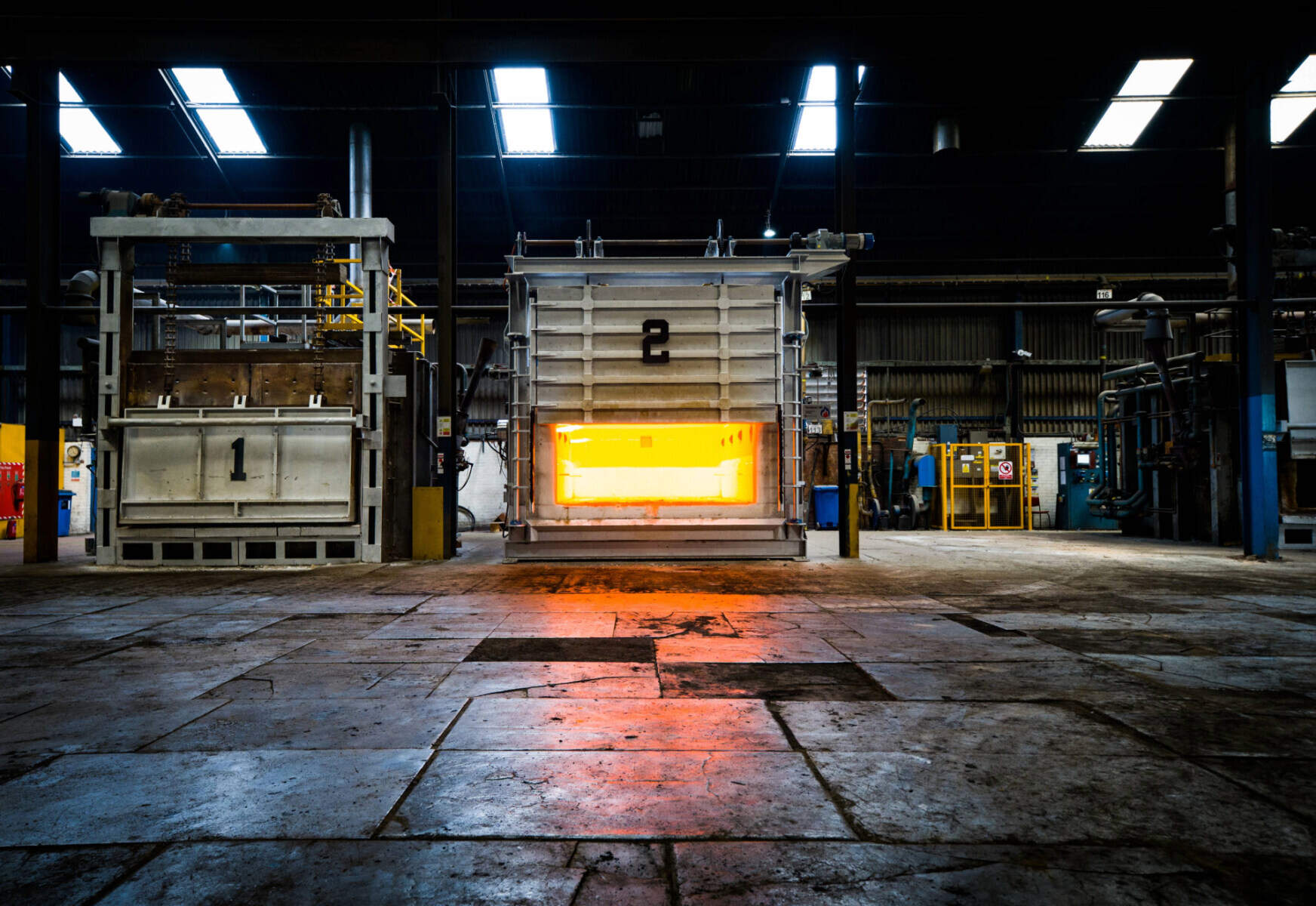
The strongest investment films do more than create attractive aerial footage. They explain how the site functions. A production team can capture vehicle access at the right time of day, the sequence from goods-in to dispatch, the available floor space and the practical constraints that drawings may not communicate. Interviews with operations, engineering or facilities leaders add the reasoning behind each feature, helping viewers understand not just what they are seeing but why it matters.
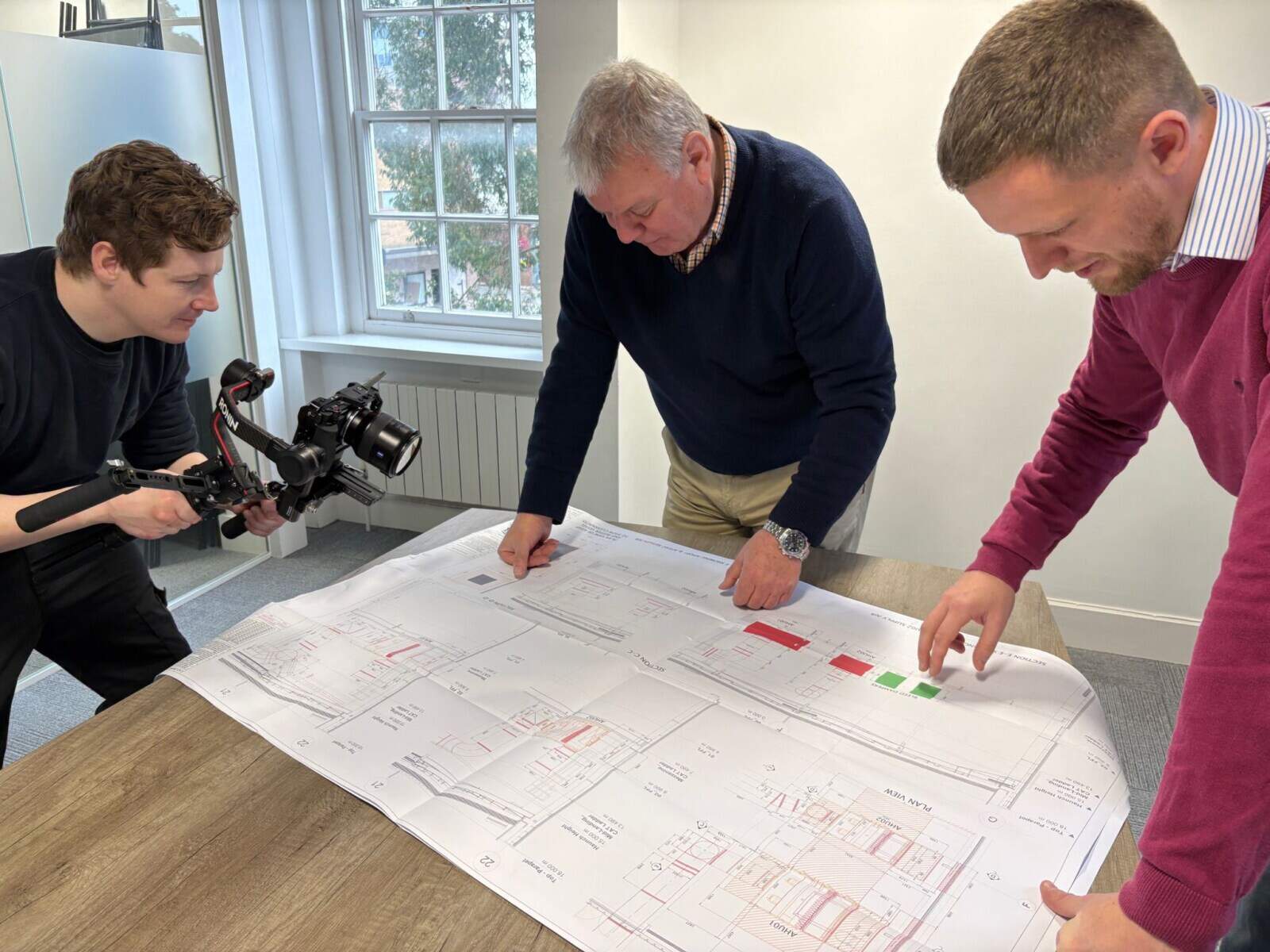
This is particularly useful when the proposal involves a brownfield site or an expansion around an existing operation. A film can distinguish current activity from planned development, identify interfaces between old and new infrastructure, and make the transition easier to discuss. Used alongside technical drawings and financial modelling, the video becomes a concise orientation tool for people who are not immersed in the project every day.
Making investment proposals easier to evaluate
Capital decisions involve audiences with different priorities. A property adviser may focus on access and future capacity; an operations director may look for material flow and maintainability; a finance team may want confidence that the proposed footprint is realistic. One carefully structured film can give each audience a clear entry point without becoming a collection of disconnected claims.
For a board presentation or funding discussion, the narrative might move from the wider location to the site boundary, then into the operational detail that supports the proposal. On-screen captions can identify distances, zones and planned phases, while simple graphics clarify what is existing and what is proposed. This approach keeps the story grounded in evidence and gives decision-makers a more consistent view of the opportunity.
Planning filming around a live industrial site
Filming must fit around production, safety and access requirements. The schedule should be built with the site team, not imposed on it. A pre-shoot briefing can identify restricted areas, traffic movements, PPE requirements, clean zones, permit needs and the moments when a process is most representative. That preparation protects the operation while ensuring the finished film contains useful activity rather than empty space.
It is also worth planning for different formats from the outset. A two-minute investment overview may be the main deliverable, but shorter edits can support a property pack, an internal project update or a targeted presentation. Capturing clean establishing shots, considered interviews and detailed process footage during the same visit creates a more flexible asset library and avoids returning to site for every new communication need.
Connecting the film with wider communications
A site-selection film works best when it is part of a broader communication system. It can sit within an industrial video production programme, support a video production landing page, or provide visual evidence for a project update shared with partners and stakeholders. Subtitles, a clean transcript and versions sized for presentation or social channels make the content easier to reuse without weakening the core message.
Internal links and consistent terminology also matter when the film is published online. Viewers should be able to move from the investment story to related material about manufacturing, engineering or case-study work. This creates a clearer journey for prospective partners while helping the organisation build a useful library of credible, sector-specific content rather than relying on one isolated video.
Turning a location into a confident decision
Industrial video production cannot replace surveys, due diligence or a robust financial case. It can, however, make those materials easier to understand by giving them a visible operational context. When viewers can see how a site is accessed, how it functions and how it could develop, the discussion moves beyond abstract potential.
For manufacturers, developers and investment teams, that clarity can shorten early conversations and improve alignment before detailed design begins. A film that is accurate, well planned and grounded in the realities of the site gives the proposal a stronger human and operational dimension—one that helps people make a confident decision about what the location can become.