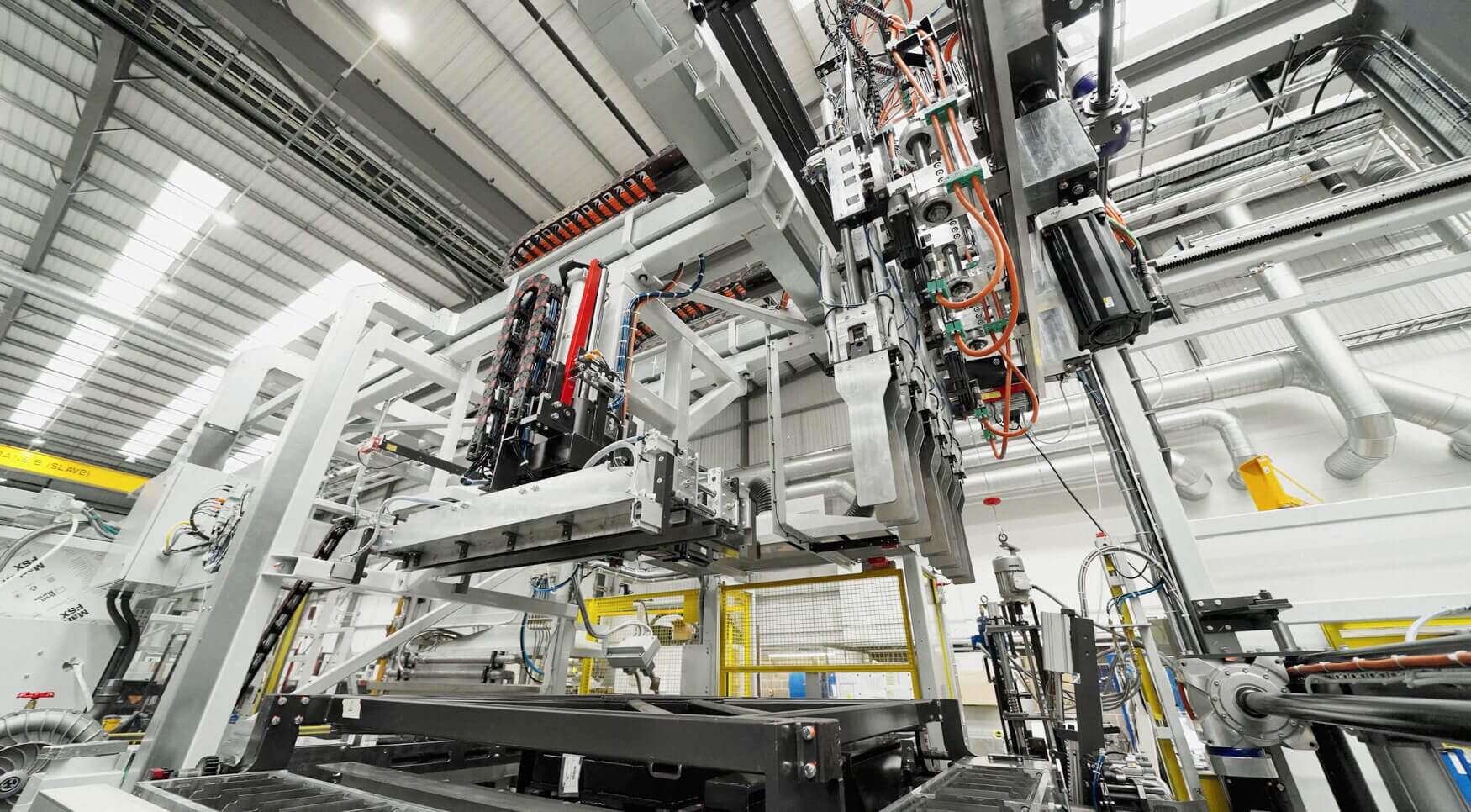
When an industrial business operates across several factories, depots or engineering locations, consistency becomes a practical challenge. Each site may use slightly different terminology, demonstrate the same process in a different order, or rely on local experience that has never been documented clearly. Industrial video production can turn that scattered knowledge into a shared visual reference, helping teams understand not only what should happen, but why the standard matters.
A well-planned video programme gives a multisite organisation a common language. It can support operational leaders introducing a group-wide method, engineering teams aligning equipment procedures, or production managers bringing a newly acquired facility into an established operating model. The most useful films are grounded in real working conditions, with enough technical detail to be credible and enough structure to remain clear for people who are not present at the original site.
Why multisite businesses struggle to communicate one standard
Written procedures are essential, but they do not always resolve the differences between locations. A document may specify a sequence while leaving room for interpretation about hand positions, material presentation, inspection points or the acceptable visual result. In a busy factory, employees often learn from a mixture of formal instructions, informal coaching and local habits. Over time, the same process can develop several versions.
Video makes those variations visible. A production team can show the correct setup, the movement of materials, the controls an operator checks and the points where a supervisor should intervene. When the footage is captured with the right subject-matter experts, it also records the reasoning behind the method. That context is valuable when a site is asked to change a long-established routine or adopt a group-wide standard that was developed elsewhere.
For leadership teams, a consistent video library also reduces the communication burden. Instead of repeating the same explanation during every site visit, they can provide a clear reference that supports meetings, onboarding, refresher training and improvement workshops. The film does not replace local coaching; it gives that coaching a dependable starting point.
Planning a video series around the operating model
The strongest projects begin with a map of where consistency is most important. This might include production changeovers, quality checks, clean-down routines, maintenance isolation, packaging presentation, laboratory controls or the way a finished product is released. The priority should be the points where variation creates risk, rework, customer concern or avoidable downtime.
Each film should have one primary job. A short standard-work demonstration may be designed for operators, while a leadership overview may explain the reason for a new operating model across the group. Trying to serve every audience in one long video usually produces a resource that is too detailed for executives and too general for the people doing the work. A better approach is to create a connected set of assets: a concise overview, practical process films and optional technical chapters.
It is also important to decide which elements must remain identical and which can be localised. The core sequence, quality gates and safety principles may need to be shared across every site. Local contact details, machine interfaces, language, PPE requirements and building layouts may need separate versions. This distinction keeps the central message consistent without pretending that every facility is physically identical.
Capturing real evidence from multiple locations
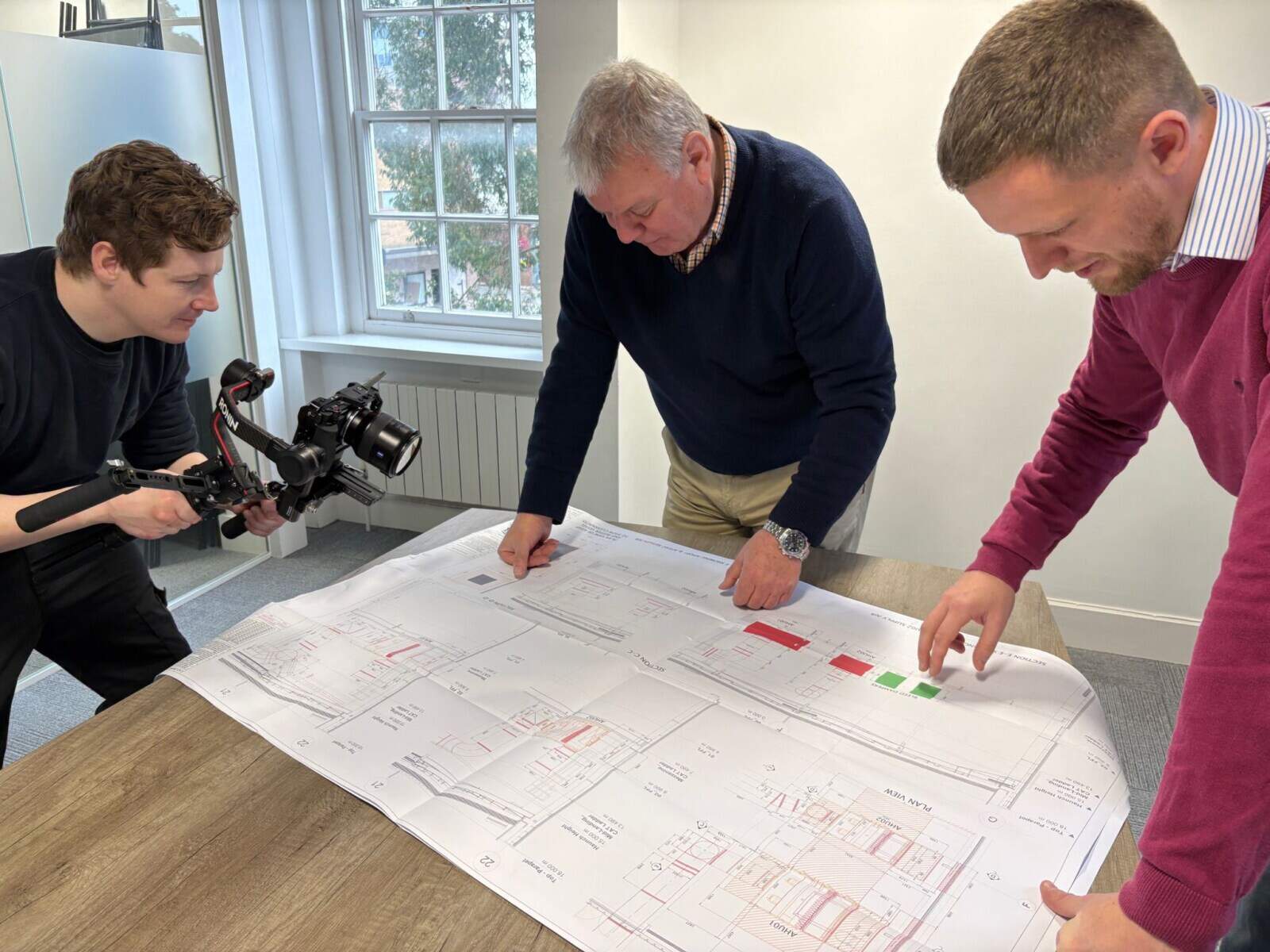
Multisite filming works best when the production team is involved before the cameras arrive. A pre-production review can identify representative sites, confirm access requirements and establish whether the same process is genuinely comparable from one location to another. It can also reveal where the standard is still being debated, preventing a film from presenting an unfinished decision as settled practice.
On location, the crew should capture the detail that makes a procedure usable: control-panel views, material orientation, inspection points, tooling changes, handovers and the finished condition that indicates success. Clean sound and purposeful camera positions matter because viewers may need to distinguish a warning tone, understand an operator’s explanation or see a small component being checked. Industrial video production must respect the pace and constraints of the site while still creating footage that can be studied later.
Where possible, filming should include more than one site or at least more than one practitioner. That comparison helps the editorial team separate the essential standard from an individual’s personal preference. It can also provide useful material for showing the consequences of variation, provided that the example is handled constructively and does not turn the film into a public criticism of one location.
Making the content useful after launch
A finished video should be easy to find at the moment it is needed. Organisations can place films inside learning platforms, digital work-instruction systems, intranets, maintenance portals or QR-linked areas near equipment. Clear naming, version dates and ownership details are especially important when the same process is used across different countries or business units.
Every standard-work film should have a review point. Equipment changes, revised specifications, new legislation and lessons from incidents can all make an otherwise accurate video incomplete. A simple content register can record the responsible owner, the sites covered, the related procedure and the date for review. This turns video from a one-off communication asset into part of a controlled knowledge system.
For organisations building a wider communications programme, industrial video production can also support recruitment, customer confidence and technical sales. A carefully structured core library may generate shorter extracts for marketing and stakeholder communications, while still protecting the detailed version used by operational teams. If you are planning a new project, the Industreel contact page is the place to discuss the sites, processes and audiences involved.
Turning local expertise into a shared capability
Multisite standardisation is not about making every factory look the same. It is about making the important decisions, controls and expectations understandable wherever the work takes place. Video helps organisations preserve the practical knowledge that experienced people use every day, then share it in a form that can travel between locations without losing its connection to real operations.
With a clear brief, the right subject-matter experts and an update plan, industrial video becomes more than a record of a process. It becomes a repeatable way to align teams, support implementation and keep a distributed operation moving towards the same standard.