When an industrial site faces an emergency, people need clear information quickly. A written procedure may contain every important detail, but it is not always the fastest way to communicate when teams are under pressure, working across shifts or operating from different locations. Industrial video production can turn complex emergency arrangements into practical, memorable guidance that supports both immediate response and long-term business continuity.
For manufacturers, engineering firms and process businesses, this kind of content is more than a safety announcement. It can explain who takes responsibility, how a site is stabilised, what customers should expect and how critical operations are restored. A well-planned video gives employees, contractors, suppliers and stakeholders a consistent reference point before an incident occurs.
Making emergency procedures easier to understand
Emergency plans often combine technical instructions with decisions about people, equipment, access and communications. In a document, those details can become difficult to navigate. Video provides a way to show the sequence visually: where teams assemble, how a production area is isolated, which routes are used and when control passes from one role to another.
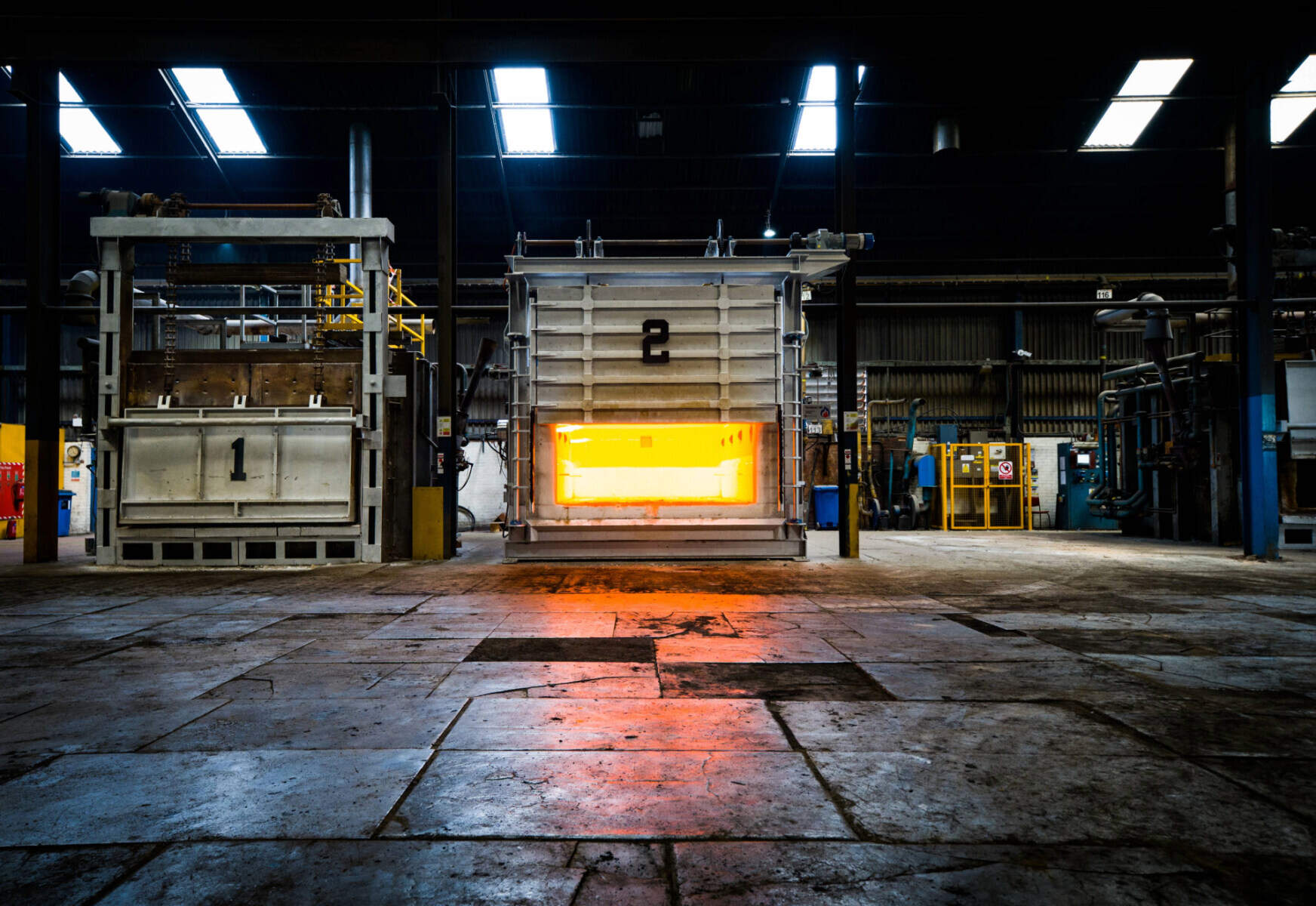
Filming on the real site also makes the guidance more recognisable. Viewers can see the actual entrances, control points, machinery and welfare areas that they will encounter during a response. Graphics, captions and voiceover can add context without overwhelming the viewer, while careful editing keeps the emphasis on the actions that matter most.
This approach is particularly useful when a procedure includes different scenarios. A single film might introduce the overall response structure, followed by shorter modules for loss of power, equipment failure, fire, flooding, cyber disruption or a temporary evacuation. Staff can then revisit the relevant section rather than searching through a long manual.
Supporting communication between teams and shifts
Industrial emergencies rarely involve one department alone. Production, engineering, maintenance, security, logistics, senior management and external responders may all need to coordinate. Video can clarify how information moves between those groups and what each team is expected to do before the next decision is made.
It is also useful for shift-based organisations. A briefing delivered verbally to one team may not reach the next shift with the same detail or urgency. A concise video gives supervisors a consistent resource for inductions, refresher briefings and toolbox talks. It can be hosted securely on an internal platform, included in a learning management system or shared with approved contractors before they arrive on site.
For businesses with several facilities, the same production can establish a common communication standard while allowing local versions to reflect each building’s risks. That balance helps a group avoid reinventing its response message for every location.
Showing business continuity in practice
Emergency response is only the first stage. Customers and commercial partners also want confidence that the business can recover responsibly. An industrial video can explain continuity arrangements without disclosing sensitive information. It might show alternative production capacity, resilient utilities, backup systems, protected data, spare-part planning or the process for prioritising customer orders.
For a technical audience, credible detail matters. Generic claims about resilience are less persuasive than footage of real systems, supported by interviews with the people who maintain them. A production can combine practical demonstrations with concise explanations from operations leaders, engineers and customer-facing teams. The result becomes useful for stakeholder communication as well as internal training.
This is where industrial video production connects with wider industrial marketing and communication. A carefully controlled version of the story can support customer updates, tender documentation or a company’s compliance evidence, while confidential operational details remain restricted.
Planning a film around operational realities
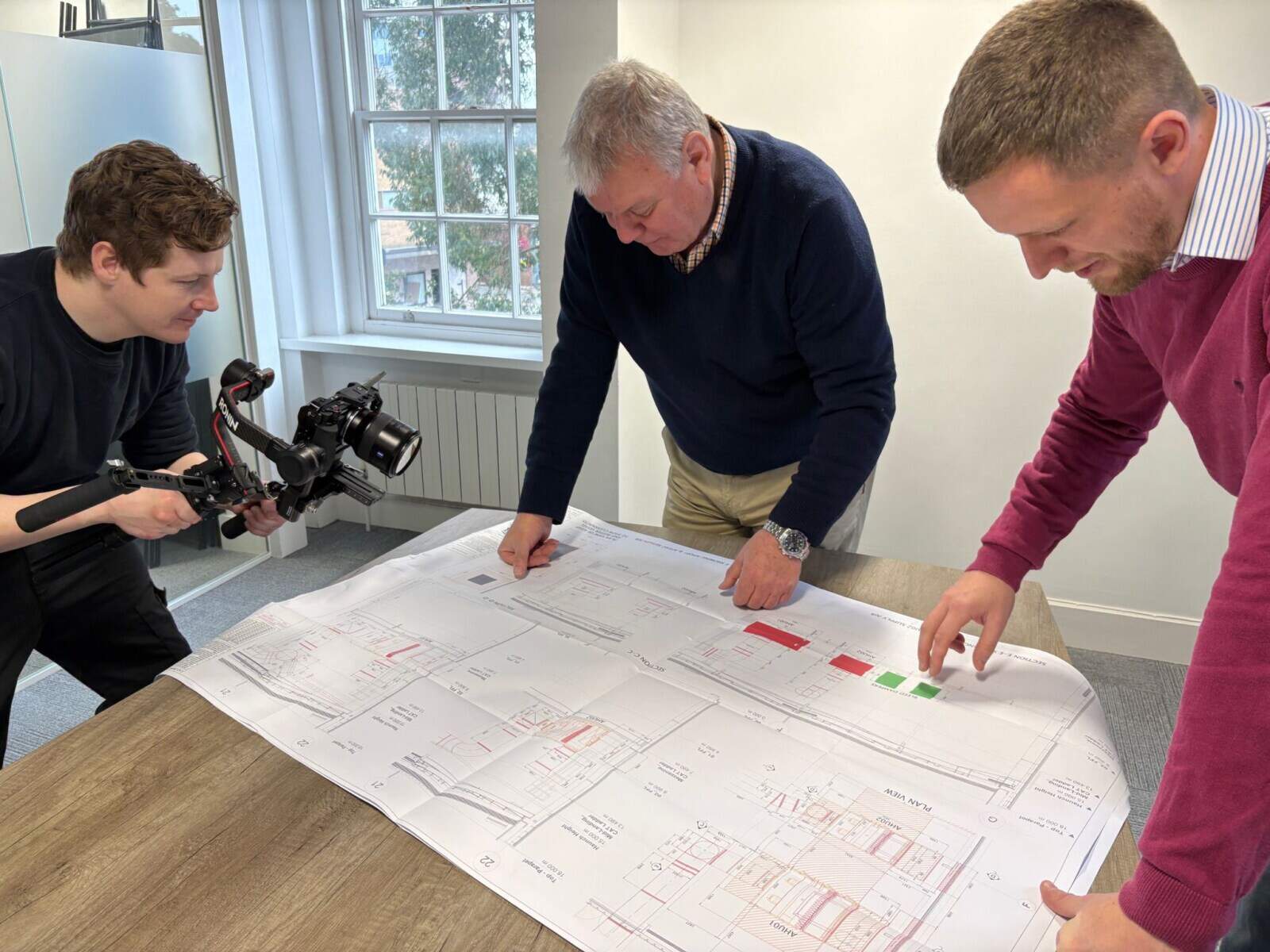
Emergency-response filming needs more preparation than simply arriving with a camera. The production team should understand site rules, permit requirements, PPE, restricted areas, safe access and the difference between a demonstration and a live emergency. A pre-production meeting can map the locations, contributors, scenarios and approvals before filming is scheduled.
It is often best to record in stages. Interviews and controlled demonstrations can be captured during a planned visit, while supporting footage of normal operations is gathered without interrupting production. Storyboards and shot lists help the crew collect the visual evidence needed to make the procedure understandable, including signage, communication devices, muster points, plant rooms and handover moments.
Accessibility should be included from the start. Subtitles, readable graphics, clear narration and a transcript make the content more useful in noisy environments and for viewers who cannot use audio. Short chapters and descriptive titles also make it easier for managers to assign specific sections during training.
Turning a response video into a lasting resource
The strongest emergency films are designed to stay useful after the initial launch. A review date, named owner and update process should be agreed before publication. If a building layout, contact route or piece of equipment changes, the relevant section can be refreshed rather than allowing outdated guidance to circulate.
Performance can be assessed through completion rates, supervisor feedback, questions raised during briefings and the time it takes new starters to find the correct instruction. These signals help teams improve both the video and the underlying procedure.
When the content is accurate, practical and easy to revisit, it becomes part of the organisation’s operational memory. It helps people respond with greater confidence, gives stakeholders a clearer view of resilience and demonstrates that continuity planning is connected to everyday action. For industrial businesses, that combination makes video a valuable part of emergency preparedness rather than a communications exercise saved for after an incident.