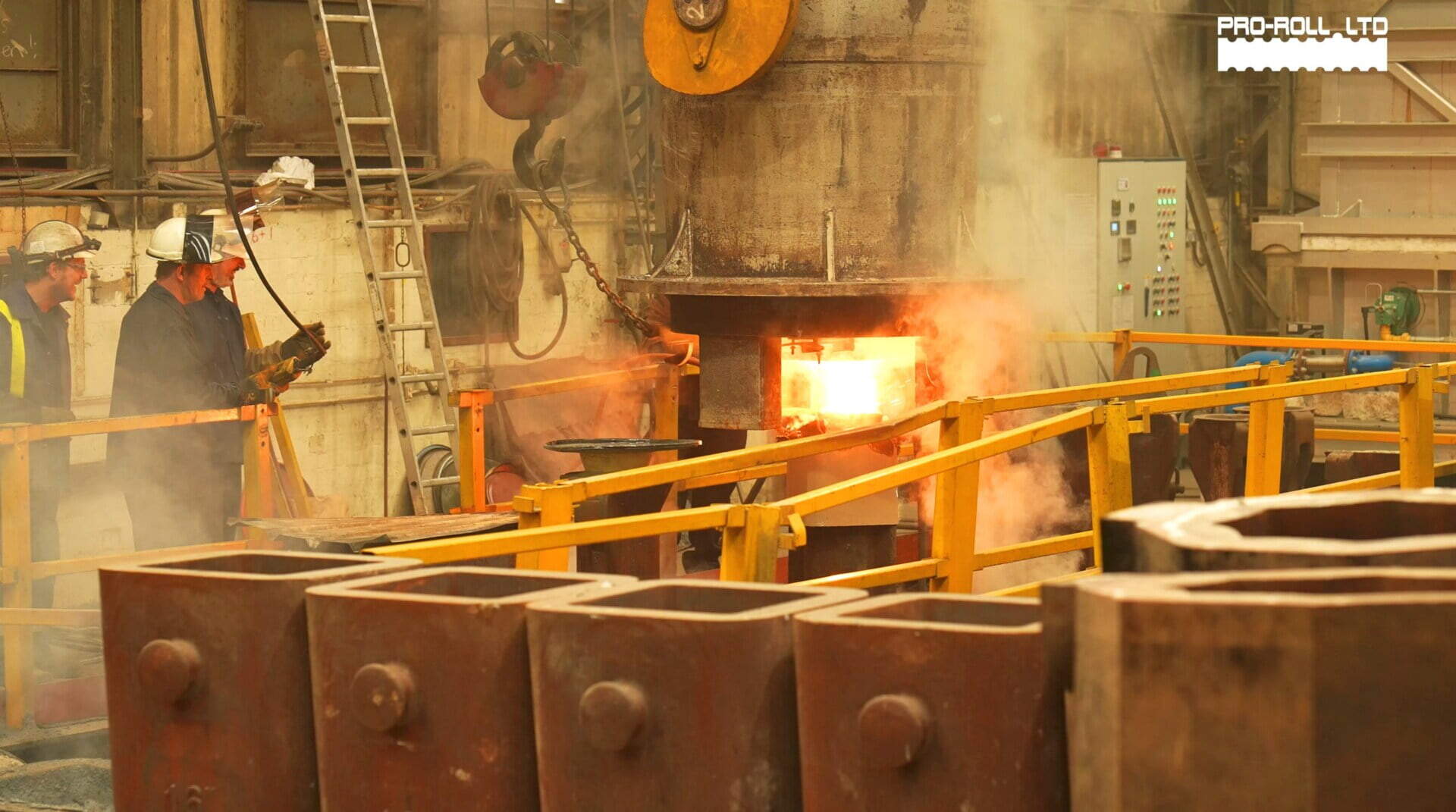
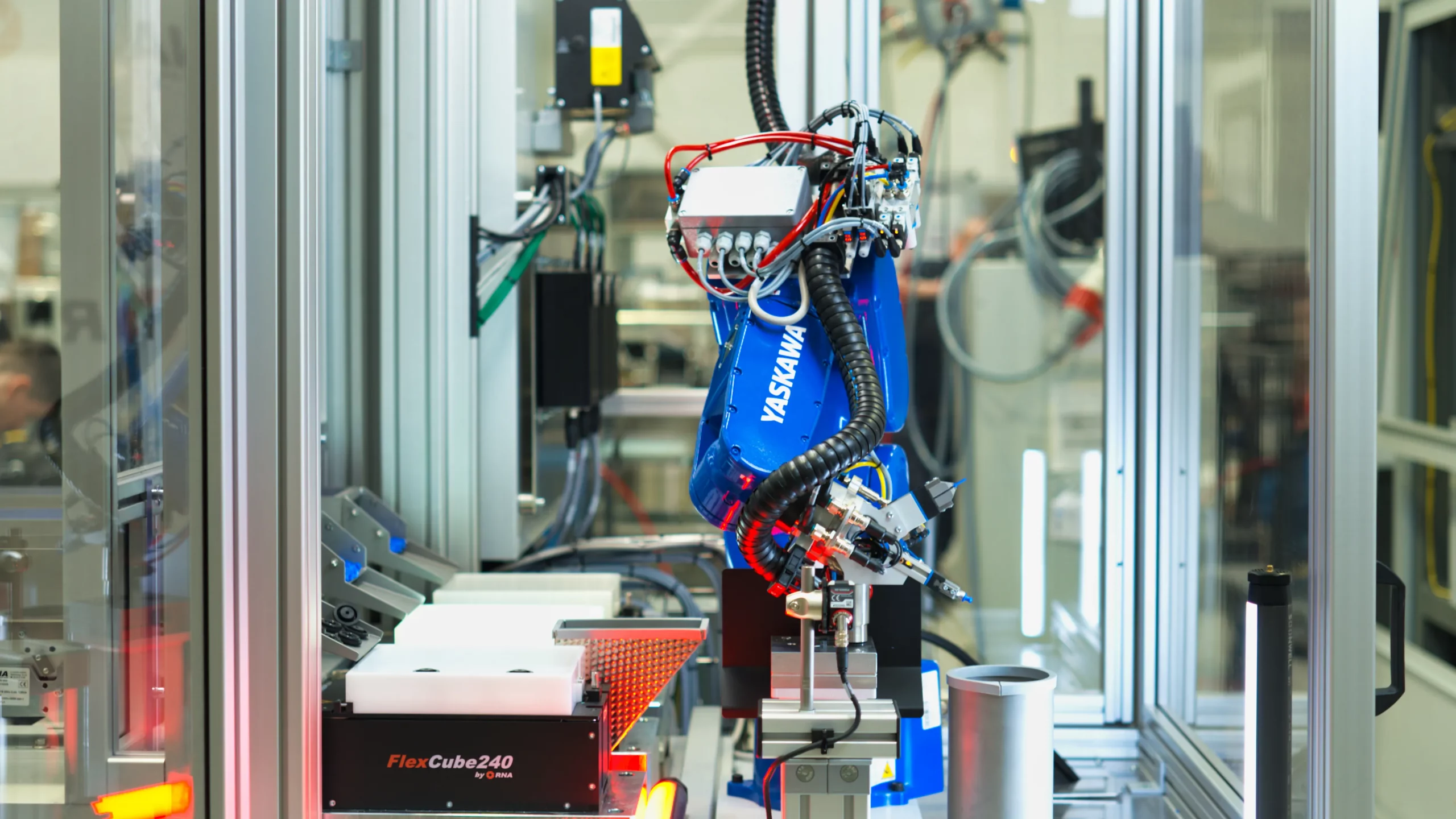
Compliance work in an industrial business is often judged through documents, records and conversations that happen long after the activity itself has taken place. A procedure may be perfectly clear to the person who wrote it, but difficult for an auditor, customer or new employee to understand from paperwork alone. Industrial video production can turn those invisible points of assurance into a practical, repeatable visual record.
The strongest compliance films are not assembled as generic corporate videos. They are planned around the risks, controls and decisions that matter in a particular operation. A well-made film can show how a team prepares a work area, verifies a critical step, uses protective equipment, records an inspection or responds when a process does not go to plan. That clarity helps technical audiences see evidence in context rather than trying to reconstruct it from isolated forms.
Make procedures visible and easier to follow
Many compliance failures begin with a gap between a written procedure and the way work is actually performed. A document might describe several stages, while a busy production environment contains handovers, access restrictions, checks and exceptions that are difficult to capture in a paragraph. Video gives those stages a sequence. Viewers can see the order of actions, the condition of equipment, the location of controls and the point at which a decision must be recorded.
This is especially valuable for activities that are repeated across shifts or sites. A concise training film can demonstrate the expected standard without relying on a supervisor being available every time someone needs a refresher. Captions, callouts and close-up shots can highlight details that are easy to miss in a live demonstration, while a carefully structured voiceover can explain why a control exists. The result is a resource that supports both induction and ongoing competence conversations.
Capture evidence without disrupting production
Industrial filming has to respect the reality of a working site. Production schedules, clean zones, permits, safety briefings and restricted areas all affect what can be captured and when. A professional crew therefore builds the filming plan around the site rather than expecting the site to behave like a studio. That may mean recording a preparation sequence during one shift, gathering detail shots during a controlled pause and interviewing subject-matter experts away from the main process.
Pre-production is where the compliance value is protected. Before cameras arrive, the team can map the required evidence against the relevant process, identify sensitive information, confirm permissions and agree which actions must be demonstrated by trained personnel. This reduces the temptation to stage unsafe behaviour or recreate a task inaccurately. It also helps the final film stay focused: every shot has a job, whether that is showing a control, explaining a responsibility or documenting the standard to be maintained.
Support audits, tenders and customer assurance
A compliance-focused video can serve more than one audience when it is planned intelligently. An internal version might include detailed instruction, while a shorter external edit can show customers how the organisation manages quality, safety and environmental responsibilities. Used alongside written policies, certifications and inspection records, the film can make a company’s approach easier to understand during supplier reviews, tender submissions and customer visits.
Visual evidence is particularly useful when the process is technically complex or when customers cannot easily visit the site. It can introduce the people responsible for control, explain the relationship between departments and show how records are created. That human and operational context builds confidence without making claims that the evidence cannot support. Where confidentiality matters, framing, graphics and selective editing can communicate the method without exposing proprietary data, customer information or sensitive plant layouts.
Build a library that stays useful
One film rarely solves every compliance communication need. A better approach is to create a small library of modular assets: a core process overview, short clips for critical controls, interviews with responsible managers and footage that can be reused in induction or refresher materials. This makes future updates more efficient. If a piece of equipment changes, the affected sequence can be replaced without discarding the entire communication system.
Good file management matters just as much as good filming. Each version should have a clear owner, review date and relationship to the relevant procedure. Subtitles and transcripts improve accessibility and make the content easier to search, while consistent naming helps managers find the correct version quickly. When a control changes, the video should enter the same review process as the written document rather than becoming an ungoverned asset on a shared drive.
Plan the message around the risk
The most credible compliance video does not try to make a routine process look dramatic. It makes important details unmistakable. Start by identifying the risk the audience needs to understand, the behaviour that demonstrates control and the evidence that proves the standard is being maintained. From there, the production can choose the right balance of observation, explanation, graphics and interviews.
Industreel’s industrial video production service can help teams translate complex operational requirements into clear, useful films. For manufacturers that need to explain a wider process to customers, partners or internal stakeholders, manufacturing video production provides a broader storytelling framework. The aim is simple: give every viewer a reliable understanding of what good practice looks like and why it matters.