For many manufacturers, the relationship with a customer continues for years after a machine or production system has been commissioned. Replacement components, planned servicing, troubleshooting and upgrades all contribute to the lifetime value of the equipment. Industrial video production can make this aftermarket support easier to understand, easier to deliver and more consistent across different sites and territories.
A well-planned film can show customers how to identify the correct part, explain why a maintenance procedure matters and introduce the people behind the support service. It can also help distributors and service partners communicate the same information accurately. Instead of relying only on manuals, photographs or long email exchanges, manufacturers can give customers a clear visual reference that shows the equipment in its real operating context.
Make spare parts easier to identify
Ordering the wrong component wastes time for both the customer and the supplier. This is especially common when machines have evolved over several generations, similar parts have different specifications, or the identification plate is difficult to reach. Video can guide a customer through the details that distinguish one component from another.
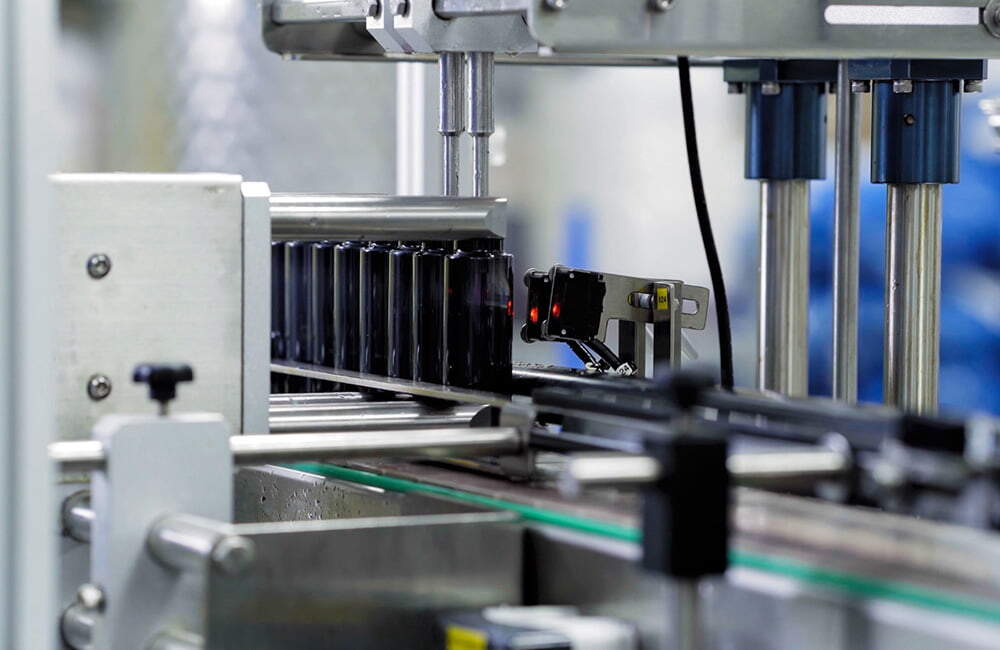
Close-up footage can show part numbers, connector positions, mounting points, seals and other identifying features. Wider shots can establish where the component sits within the machine. On-screen labels or simple graphics can then reinforce the information without turning the film into a dense technical presentation.
The aim is not to replace controlled documentation. It is to give customers and support teams a faster way to recognise what they are looking at before they place an order or begin a conversation with an engineer.
Explain maintenance procedures clearly
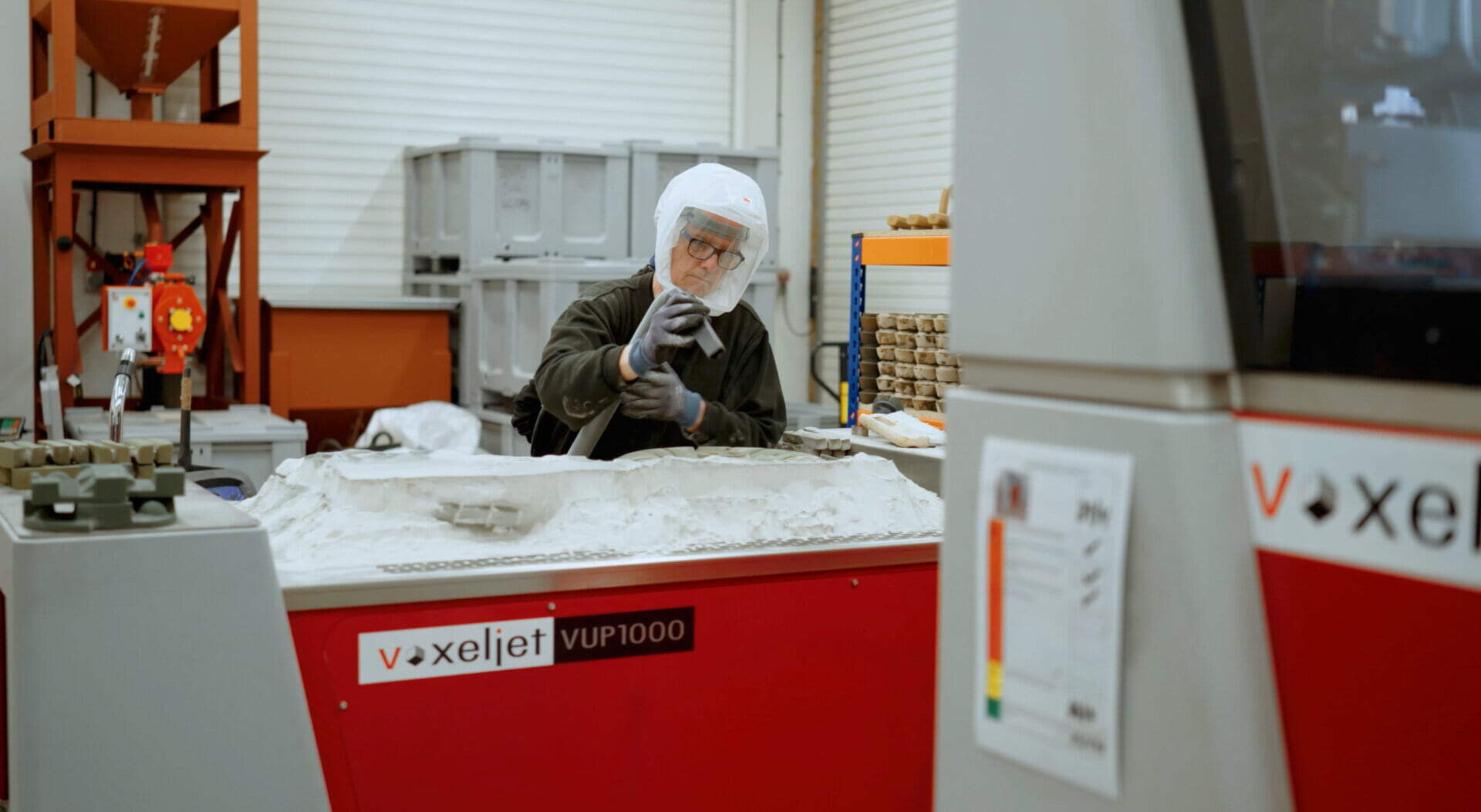
Routine maintenance is often straightforward for an experienced technician but difficult to describe in writing. Camera angles can reveal access points, tool positions, safe handling techniques and the correct sequence of actions. When the procedure is filmed with the engineer who knows the machine, small but important details are less likely to be lost.
Each film should be scoped carefully around the intended audience. A short customer-facing video might explain inspection and cleaning, while a restricted training film for authorised service partners may cover more advanced replacement or calibration work. Safety warnings, isolation procedures and required personal protective equipment should be planned into the script rather than added as an afterthought.
Working with a specialist industrial video production team helps ensure that filming supports the real maintenance process without interfering with safe working practices.
Support customers across different locations
Aftermarket teams frequently support machines installed across the UK or overseas. Travel is sometimes essential, but not every question requires a site visit. A useful video library can answer common questions before they become service calls and can help an engineer prepare a customer for a remote support session.
For export markets, visuals reduce the amount of explanation that depends on fluent technical English. Subtitles and translated on-screen text can be created from a master edit, giving regional teams a consistent resource while allowing the language to change. Voiceover versions can also be produced when a more detailed explanation is required.
The same footage can support distributors, agents and local service partners. They gain access to an approved explanation of the product, while the manufacturer keeps greater control over how procedures and parts are represented.
Show the value of genuine replacement components
Customers do not always see why a genuine spare part costs more than an apparently similar alternative. Video can make the engineering difference visible. Materials, tolerances, testing, traceability and quality-control processes can all be shown rather than simply claimed.
A film might follow a component from machining and inspection through packing and dispatch. It can include the people responsible for checking it and show how the part fits into the wider system. This approach builds confidence without relying on aggressive sales language because the evidence is on screen.
Footage of manufacturing, assembly and testing can also be repurposed for product pages, sales presentations and social media. Our work around industrial automation videos shows how complex equipment can be presented with clarity while retaining its technical credibility.
Introduce the people behind aftermarket support
Aftermarket service is not only a catalogue of components. It is a team of engineers, parts specialists and coordinators who understand the installed equipment. Short interviews can introduce that expertise and reassure customers that support will be available when they need it.
These contributions are most effective when they are specific. An engineer can explain a common maintenance challenge, a parts manager can describe how urgent orders are handled, and a service coordinator can outline what information customers should provide when requesting help. The result feels useful and human rather than corporate.
Plan a reusable library instead of a single film
A single production day can often create several related assets. The main film may explain the overall aftermarket service, while shorter edits cover part identification, routine checks, ordering information and common support questions. Vertical or square versions can be prepared for mobile channels, and still frames can be used alongside written guidance.
Before filming, it helps to list the most frequent questions received by the service desk. Those questions reveal where video is likely to save time. The production plan can then group procedures by location, machine state and personnel availability, making the shoot more efficient.
File naming and version control also matter. Equipment changes, safety guidance and part specifications may be updated, so each film should have a clear owner and review date. Modular edits make it easier to replace one section without remaking the entire library.
Measure the practical result
The value of aftermarket video can be tracked through practical indicators: fewer incorrect orders, shorter support calls, increased use of self-service resources and better engagement with service campaigns. Feedback from field engineers and customers is equally useful because it identifies where an explanation needs another angle, a clearer label or a shorter edit.
Industrial video production is most valuable when it becomes part of the support system rather than a one-off marketing exercise. By showing parts, procedures and people clearly, manufacturers can help customers maintain equipment with greater confidence and strengthen the relationship throughout its working life.
If you are planning a video library for spare parts, servicing or technical support, contact Industreel to discuss the equipment, audience and locations involved.