Predictive maintenance depends on good data, but data alone does not always make a maintenance strategy easy to understand. Engineers may be comfortable with vibration trends, thermal images and machine-learning alerts, while production leaders, finance teams and customers need to see what those signals mean in practical terms. Industrial video production can connect the technical evidence to the decisions that keep equipment reliable, output stable and downtime under control.
A well-planned film can show the relationship between a condition-monitoring system and the people who act on its findings. It can capture the sound, movement and working environment of an asset, then explain how inspections, alarms and planned interventions fit into the wider production process. For manufacturers developing a reliability programme, that combination of visual proof and clear explanation is valuable for internal communication, customer education and commercial growth.
Make invisible maintenance work visible
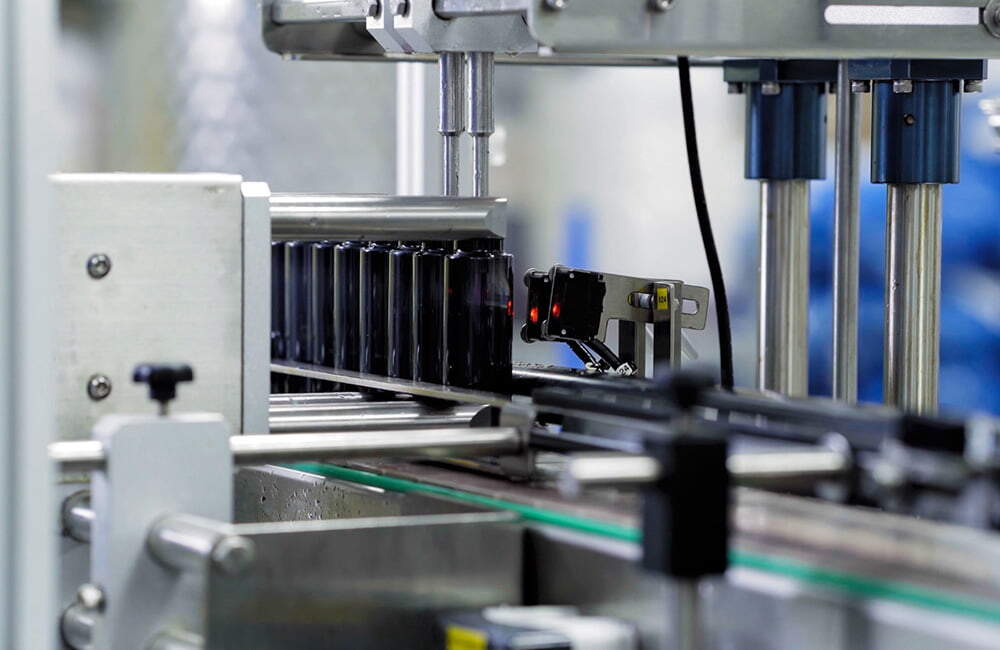
Much of predictive maintenance happens before a failure is visible to the untrained eye. A sensor may identify an unusual frequency, a temperature may rise by a few degrees, or a technician may spot a small change in lubrication, alignment or surface condition. A video can turn these less obvious warning signs into a story that a wider audience can follow. Close-up footage, controlled demonstrations, diagrams and carefully chosen cutaways help viewers understand why a small signal deserves attention.
The strongest films avoid presenting monitoring technology as a magic solution. Instead, they show the full chain: the asset being monitored, the data being collected, the analysis taking place, the maintenance decision that follows and the result on the factory floor. That context gives the viewer confidence that the programme is built around disciplined engineering rather than a collection of disconnected dashboards.
Support reliability teams with a repeatable visual language
Reliability teams often work across multiple sites, shifts and asset classes. A consistent video format can help standardise how inspections and interventions are explained. For example, each film might introduce the equipment, identify the risk, show the monitoring method, explain the decision threshold and finish with the approved response. Repeating that structure makes new content easier to produce and easier for technicians to use.
This is particularly useful when a business is introducing a new maintenance platform or rolling out condition monitoring to plants with different levels of experience. A concise visual reference can support toolbox talks, onboarding and refresher training without pretending to replace the site’s formal procedures. When the footage reflects the real machinery and working conditions, it also gives local teams a more credible starting point for discussion.
Turn maintenance results into a business case
Predictive maintenance investment is often judged by people who are not present when a bearing begins to fail or a pump starts to drift outside its normal operating range. Video can make the business case more tangible. A before-and-after sequence can show the contrast between reactive disruption and a planned intervention. Interviews with engineers and operators can add detail about access, scheduling, spares and production coordination.
The most persuasive evidence is specific. Rather than relying on broad claims about efficiency, a film can explain how earlier warning created a maintenance window, reduced secondary damage, protected product quality or improved confidence during a demanding production period. These stories can sit within an internal presentation, a sales conversation or a technical case study. Our industrial video production work is designed to help complex engineering outcomes remain clear without stripping away the detail that makes them credible.
Film safely around operating assets
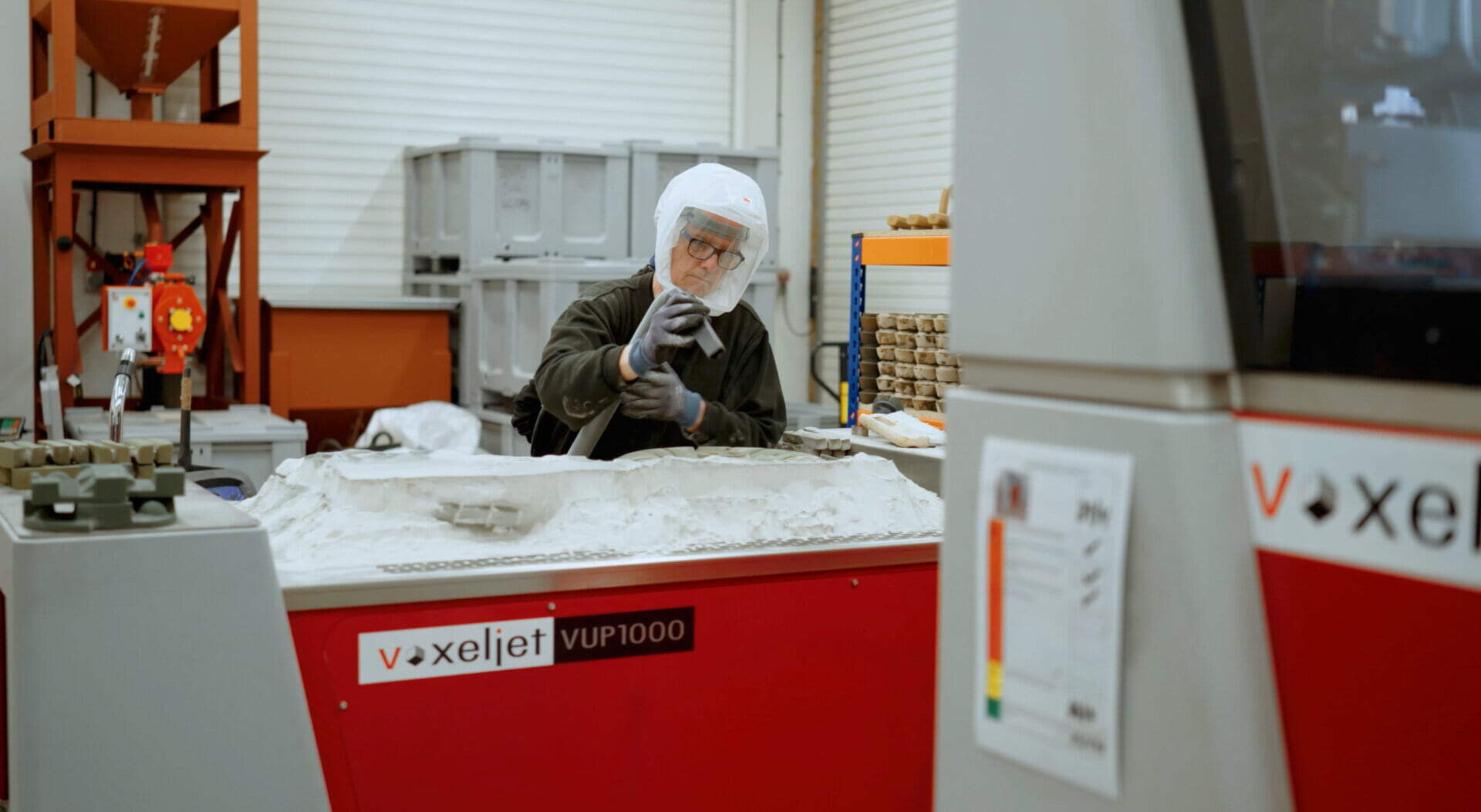
Maintenance filming needs careful planning because the most useful visuals may be close to moving equipment, elevated platforms, hot surfaces, restricted access areas or live production activity. A professional shoot should begin with the site’s safety requirements, permit arrangements and exclusion zones. The production team also needs to understand which shots can be captured during normal operation and which should be staged during a controlled shutdown.
Good preparation protects both people and the quality of the final film. A shot list can identify the technical moments that matter, while a pre-visit can reveal where lighting, sound or access will create problems. It is often better to record a safe, well-composed demonstration than to chase dramatic footage that creates unnecessary risk or cannot be repeated. The finished piece should reinforce a culture of planned reliability, not undermine it.
Create content that keeps working after the launch
A single predictive maintenance project can produce more than one useful asset. The main film might explain the programme to customers or senior stakeholders, while shorter edits can support recruitment, internal updates, training sessions and social channels. Interviews can be recorded with future cut-downs in mind, and detail footage can be organised so that later edits remain technically accurate.
That long-term approach makes each filming day more valuable. With a clear brief, an agreed audience and a realistic plan for approvals, a manufacturer can build a library of evidence around its reliability capability. If the wider story also includes equipment design, production performance or service support, manufacturing video production can bring those connected parts together in a coherent visual system.
Predictive maintenance is ultimately about making better decisions before disruption becomes unavoidable. Industrial video gives those decisions a human and physical context: the machine, the warning sign, the engineer’s judgement and the operational result. When planned around real maintenance priorities, it becomes a practical communication tool for reliability teams and a persuasive way to show how engineering expertise protects performance.