Industrial manufacturers often have strong products but face a familiar challenge when selling beyond their home market: buyers, agents and distributors need to understand the operation before they can confidently represent it. A well-planned industrial video production gives those audiences a practical view of the people, process and capability behind the offer, helping a company explain complex value without asking every prospect to arrange an overseas visit.
For export-led businesses, video is more than a polished introduction. It can become a reusable sales asset for distributor recruitment, technical conversations, exhibition follow-up and customer onboarding. When it is built around real evidence from the factory rather than generic claims, it supports a consistent story across markets while leaving local sales teams room to adapt the conversation.
Make production capability easy to understand
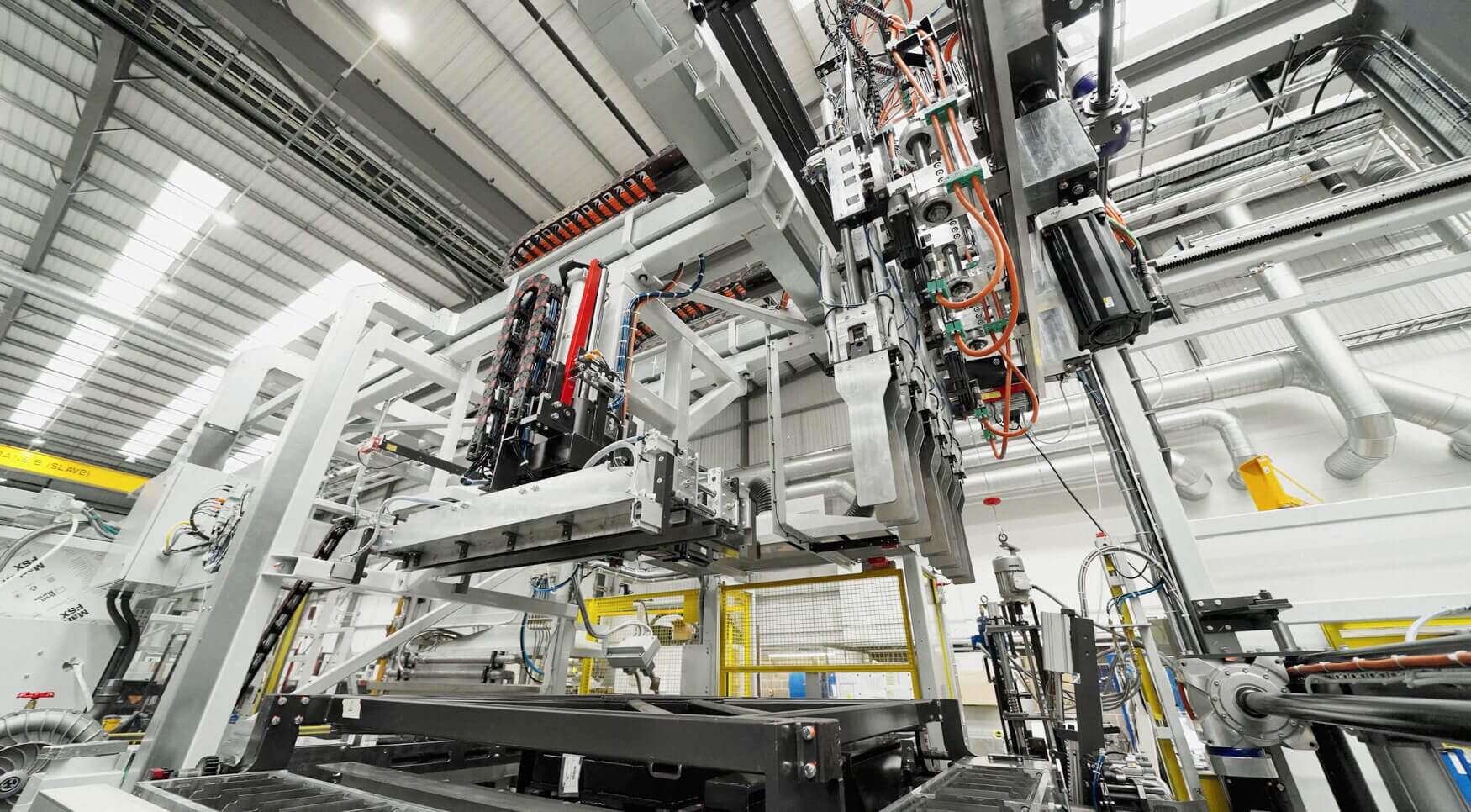
Industrial capability is often spread across departments, machines and stages of quality control. A potential distributor may understand one part of the offer but still struggle to see how the complete system works. Video can create that missing connection by showing the journey from incoming material and preparation through manufacture, inspection, packing and dispatch. Clear sequencing gives viewers a useful mental model of the business.
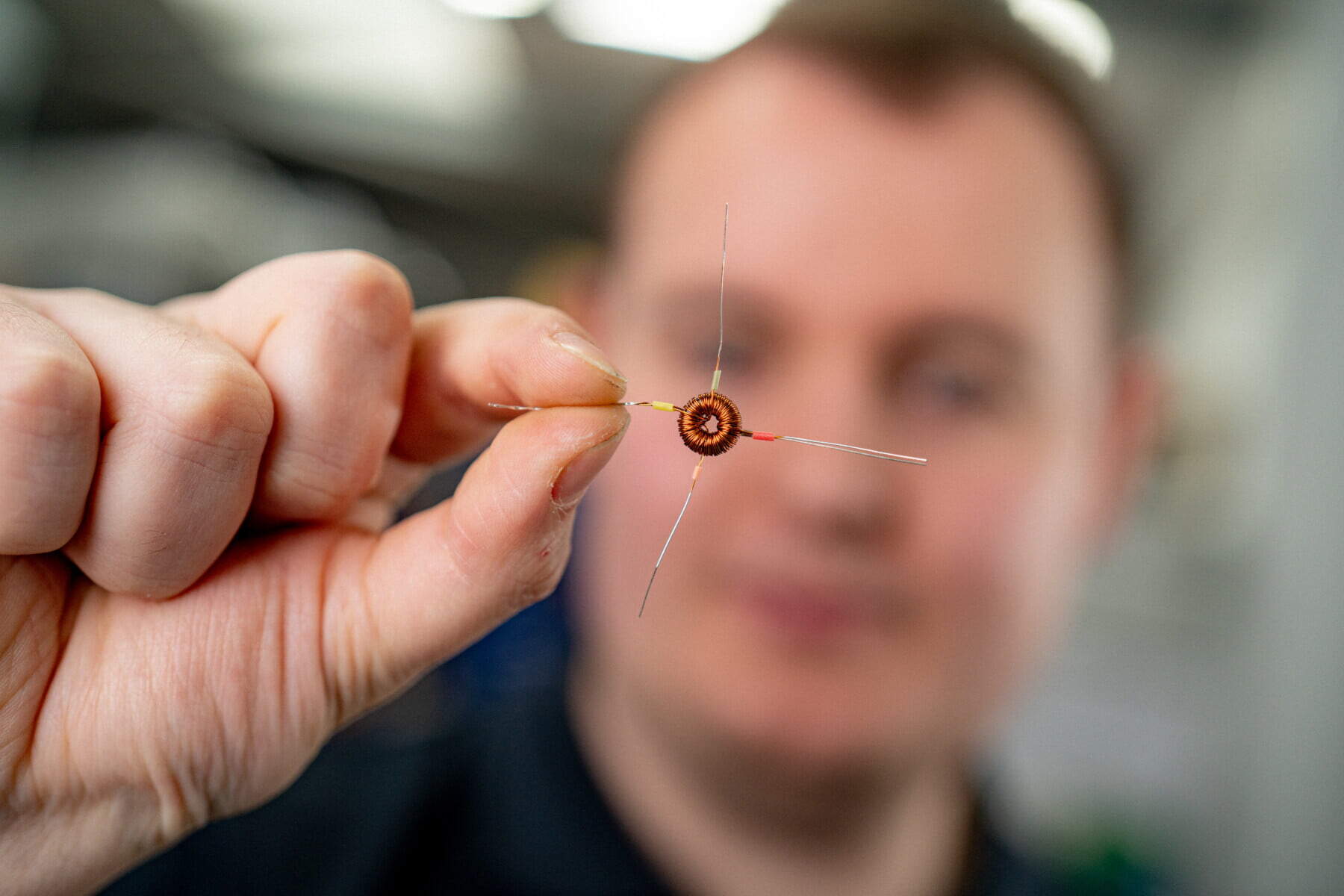
The strongest films choose a small number of proof points and explain them visually. A close-up of a process can show repeatability, while a wider factory view communicates scale, organisation and available capacity. Operators, engineers and quality specialists can add context in plain language. This makes the content valuable to a commercial audience without turning it into an over-technical training film.
Give distributors confidence to represent the brand
Distributors are not only looking for a product catalogue. They need confidence that the manufacturer can support the promises they will make in their own market. A focused video can demonstrate how the business handles consistency, documentation, lead times, customer communication and after-sales support. Showing these elements helps a prospective partner judge whether the relationship will be dependable once the first order has shipped.
It is also useful to create versions or cut-downs for different stages of the sales process. A short overview can open a first conversation, while a longer capability film can support due diligence. Individual sequences can be repurposed for presentations, email follow-ups and distributor portals. Planning these outputs during industrial video production keeps the footage coherent and reduces the need to recreate the same explanation for every channel.
Show the details that matter in international sales
Export buyers may have practical questions that are easy to overlook in a general brand film. They may want to see packaging standards, identification systems, batch control, testing equipment or the way finished goods are prepared for transport. These details do not need to dominate the story, but including the right shots can answer important concerns before a meeting takes place.
Good production planning also considers language and accessibility. On-screen labels, clean graphics, captions and carefully chosen voiceover options can make the same core film useful across regions. A visual explanation of a process should remain understandable even when a viewer watches without sound or shares the film internally with colleagues who speak a different first language.
Turn one shoot into a practical sales library
A single hero film is useful, but an organised library often delivers more value over time. Alongside the main export or distributor film, a shoot can capture short sequences about machinery, testing, materials, engineering expertise, sustainability measures and customer support. These clips can be edited into market-specific presentations without changing the underlying evidence.
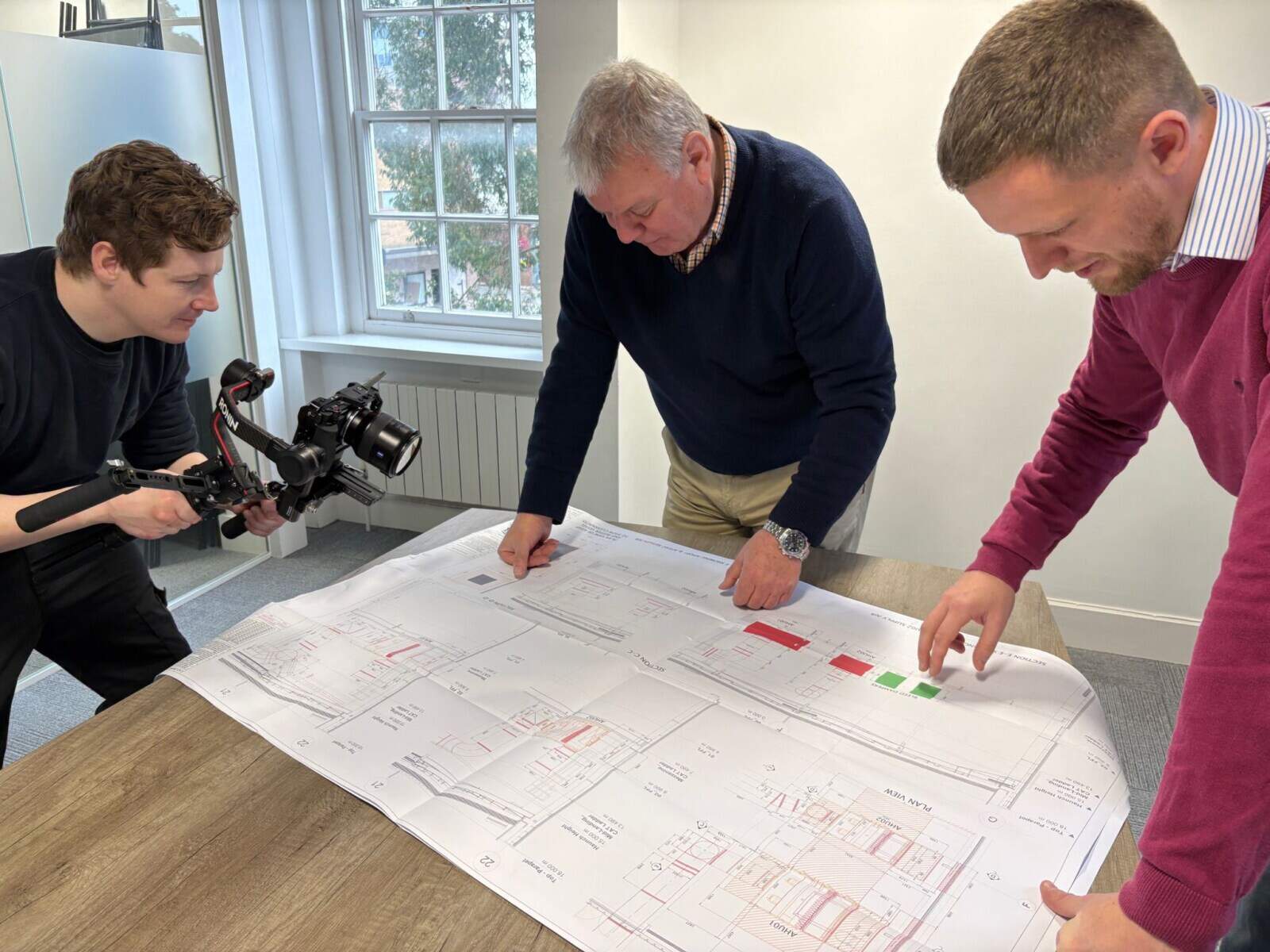
Before filming, it helps to map the audience questions the sales team hears most often. That list can shape the interview prompts, shot plan and edit structure. It also prevents the production from becoming a collection of attractive factory images without a clear commercial purpose. When every scene answers a real question, the finished assets remain useful long after a campaign launch.
Build a credible first impression for new markets
Entering a new market already involves uncertainty. A credible manufacturing video reduces some of that distance by letting a prospect see the working environment, meet the specialists and understand how the company operates. It can support a distributor’s own pitch, give an international buyer a concise introduction and help an existing partner explain the manufacturer to a new customer.
For manufacturers planning an export campaign, the best starting point is a clear communication brief: which market is being addressed, what decision the viewer needs to make and which evidence will help them make it. From there, a considered shoot can produce a durable set of sales tools that represent the factory accurately and professionally. To discuss a project built around your process and commercial goals, visit the Industreel contact page.