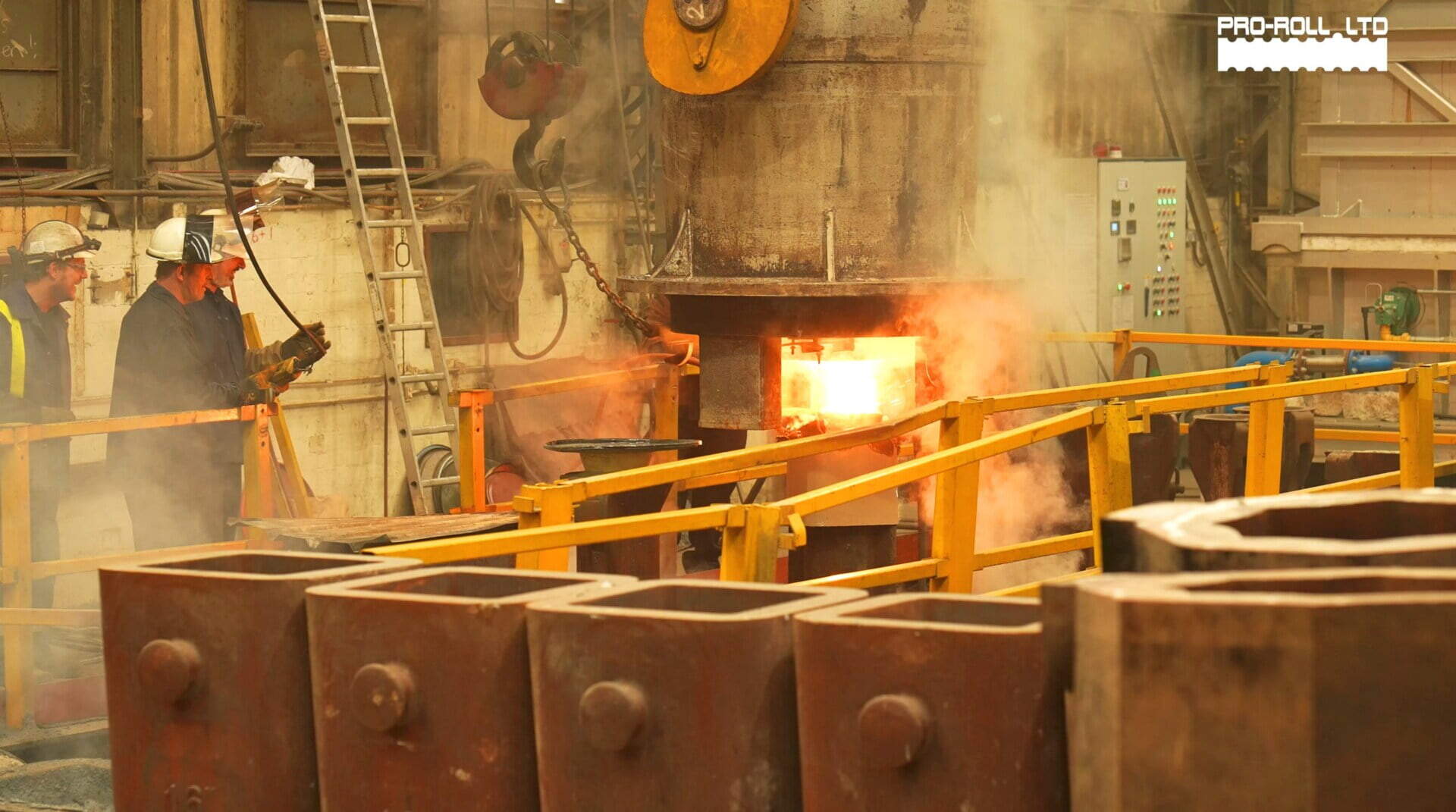
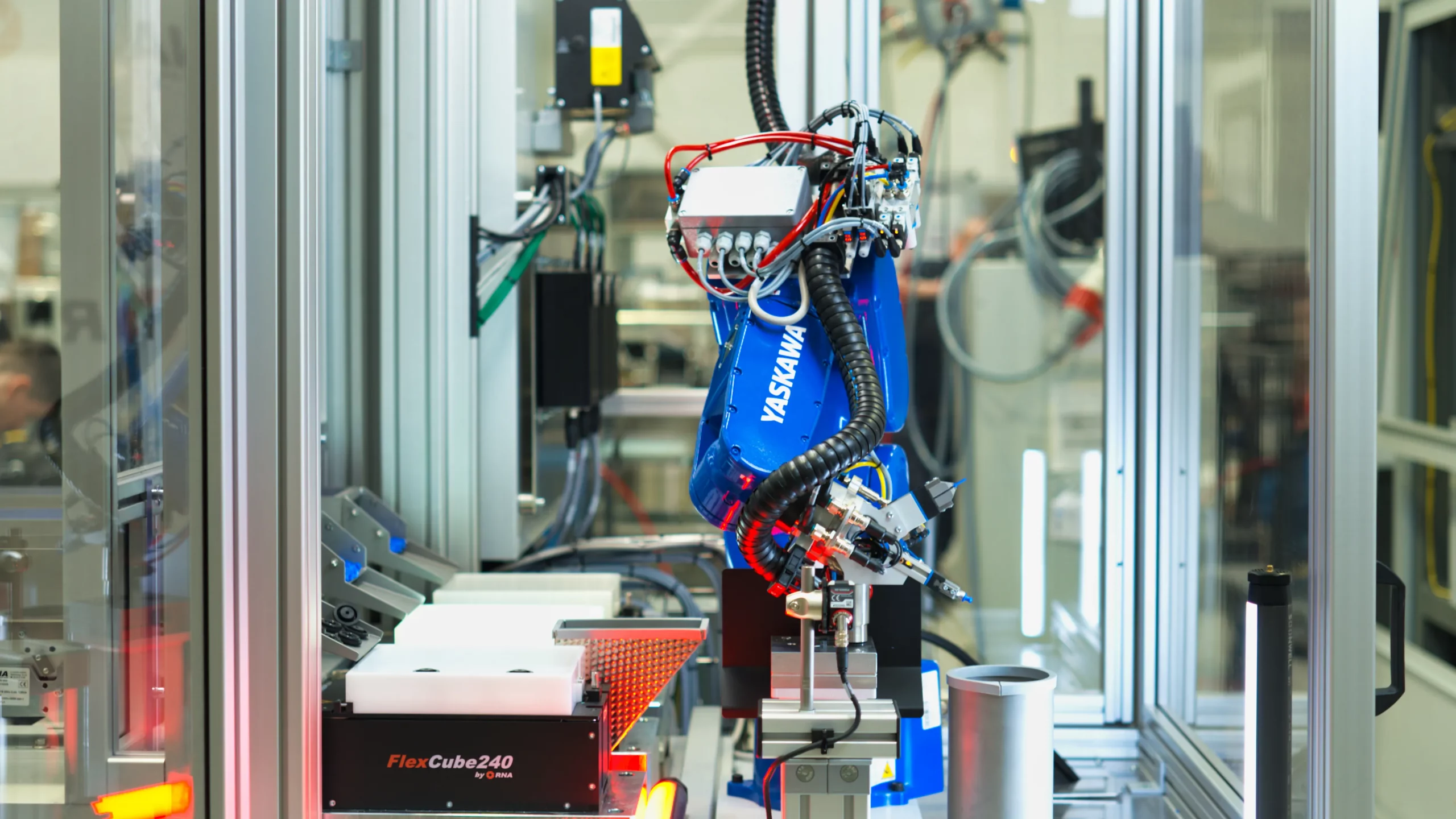
Quality audits are built around evidence: what happened, where a process changed, and whether the result can be repeated. Industrial video production gives quality, engineering, and operations teams a practical way to capture that evidence without turning every review into a long written report. A well-planned film can show the detail behind a standard, make an improvement visible, and help different sites work from the same understanding.
Make the standard visible on the factory floor
Written procedures are essential, but they cannot always show the rhythm of a task, the position of a component, or the small checks that prevent a defect. Video can document the accepted method from the operator’s point of view, with close-up shots, wide context, and clear narration. That creates a reference people can return to during an audit, refresher session, or handover.
The strongest films are selective rather than exhaustive. Before filming, the production team should agree which quality-critical moments matter: material identification, machine settings, inspection points, cleaning steps, or the way a finished part is handled. This keeps the story focused and avoids producing footage that looks impressive but does not help anyone make a better decision.
Record improvement without losing the context
Continuous improvement is easier to explain when people can compare before and after. A short sequence can show the original constraint, the change made by the team, and the measurable effect on flow, safety, waste, or consistency. It also preserves the reasoning behind the improvement, which is valuable when staff change or when the same idea is introduced at another site.
For manufacturers working across multiple locations, industrial video production can turn a local improvement into a shared learning resource. A concise visual case study gives colleagues enough context to understand the change, while leaving room for local teams to adapt it to their own equipment and processes.
Support internal and external quality conversations
Quality footage has uses beyond internal audits. It can help an engineering team explain a corrective action to a customer, give a supplier a clearer view of a recurring issue, or support a tender where process control is part of the decision. It can also provide a calm, factual way to show how a company manages traceability, inspection, and continual improvement.
That does not mean revealing confidential information. The filming plan should identify restricted areas, sensitive data, serial numbers, screens, and proprietary tooling before the camera arrives. Framing, selective coverage, and careful editing can protect commercial details while still communicating the discipline of the process.
Plan a film that auditors and operators can use
Start with the question the video needs to answer. Is the aim to demonstrate compliance, explain a revised work instruction, share a lean improvement, or give a customer confidence in a process? From there, build a short shot list around the evidence required. Capture clean room tone, unhurried demonstrations, and enough surrounding context for someone unfamiliar with the line to follow the sequence.
Graphics can add useful precision: labels for inspection stages, simple arrows, measurements, or a short timeline of the change. They should clarify what the viewer is seeing rather than compete with it. A final review with the people who own the process is also important, because they can catch a misleading angle or an apparently minor detail that would undermine the message.
Turn audit evidence into a reusable asset
Once approved, a quality-focused film can be cut into several practical versions: a complete process overview, a short improvement story, an operator refresher, and a concise customer-facing edit. This makes the original production more valuable and gives each audience the level of detail it needs.
At Industreel, I work directly with manufacturing and engineering teams to understand the process before filming. The goal is straightforward: create clear, credible manufacturing video production that helps people see what good looks like and why it matters. If your next audit or improvement programme would benefit from stronger visual evidence, get in touch to discuss the process and the audience.