Commissioning is where an industrial project has to prove that design intent works in the real world. Equipment is energised, systems are tested, operators ask practical questions and stakeholders need evidence they can trust. Industrial video production can turn that complex period into a clear record that supports decisions long after the commissioning team has left site.
A well-planned film captures more than a machine running. It shows the sequence of checks, the conditions around the test, the people responsible and the result that was achieved. That combination gives engineering, commercial and operational audiences a shared reference point.
Make commissioning evidence easier to understand
Commissioning information is often spread across test sheets, marked-up drawings, email threads and handover meetings. Video does not replace those controlled documents, but it can explain how they relate to the physical installation. A concise sequence can show the route through a system, identify the important interfaces and make a technical discussion much easier for someone who was not present.
For teams planning a project, our industrial video production service can be shaped around the specific milestones that matter, from dry runs and factory acceptance through to site testing and final demonstration.
Plan the story around project gates
The strongest commissioning films are planned before the cameras arrive. Start by listing the project gates that need to be understood: installation complete, utilities available, controls tested, safety systems proven and operators briefed. Each gate can then have a simple visual question, such as what changed, what was tested and what evidence confirms the result.
This approach keeps the shoot practical. It also prevents the finished film becoming a collection of disconnected clips. The narrative follows the project logic, so a client, investor or future maintenance engineer can understand the progression without needing a live explanation from the original team.
Show interfaces, not just equipment
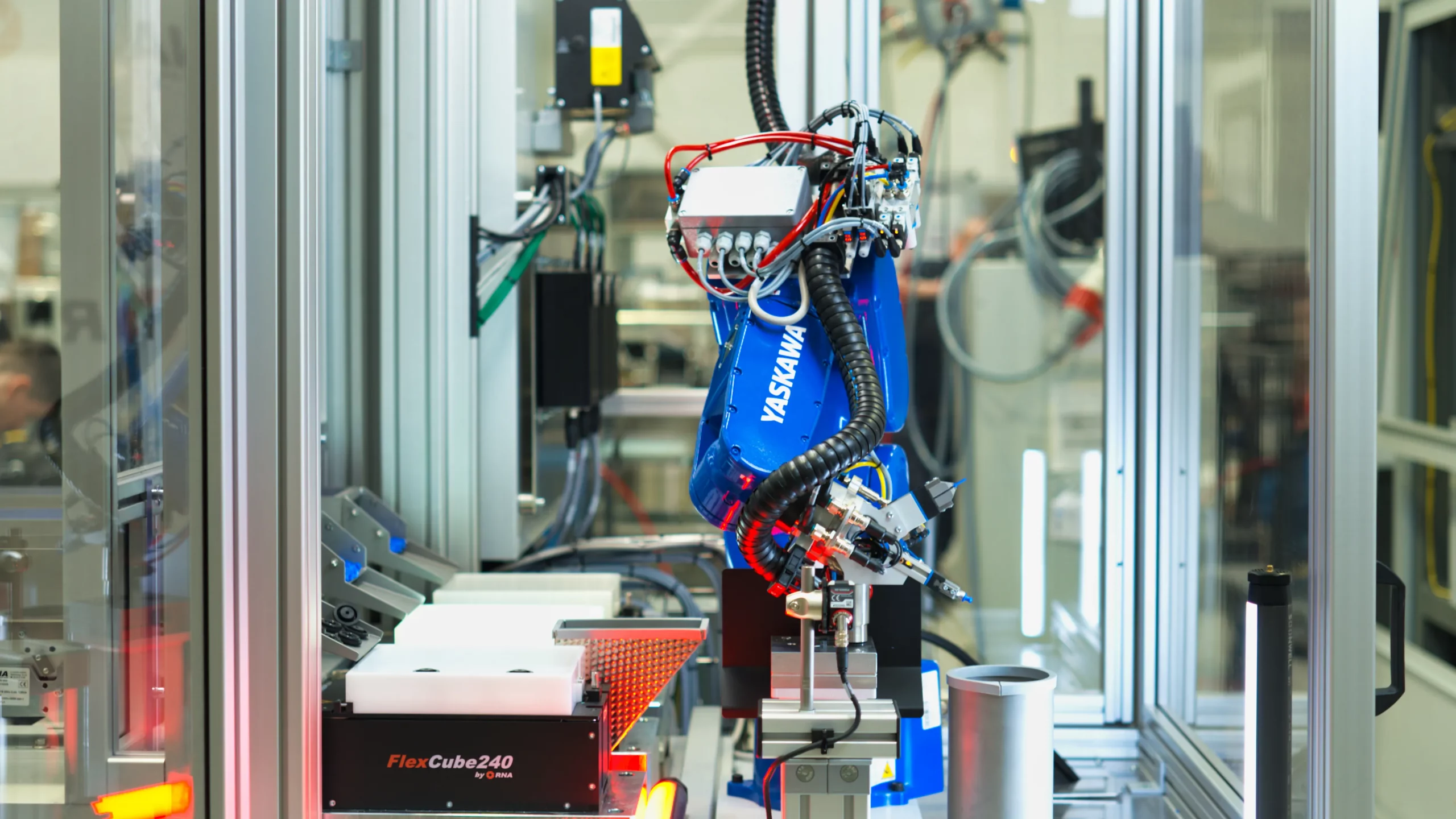
Commissioning risk often sits between systems. A conveyor meets a packaging line, a control panel talks to a plant network or a new skid has to connect safely to an existing process. These interfaces deserve deliberate coverage because they are difficult to communicate with a single close-up.
Use wide shots to establish location, disciplined detail shots to show connections and measured demonstrations to explain the interaction. On-screen labels, diagrams or a short voiceover can add context, while the footage remains grounded in what the viewer can see on site.
Build a useful record for handover
A handover film should be useful at three different moments: when the client is accepting the work, when the operations team is learning the system and when someone needs to revisit the installation months later. That means recording normal operating sequences as well as the final result, including the controls, indicators and access points that people will need to recognise.
Where appropriate, create shorter chapters for individual systems. A chaptered master can support formal presentations, while concise extracts can be shared in training sessions or included in a digital handover package. Our manufacturing video production work is often structured this way so one shoot produces several practical assets.
Protect safety and confidentiality on site
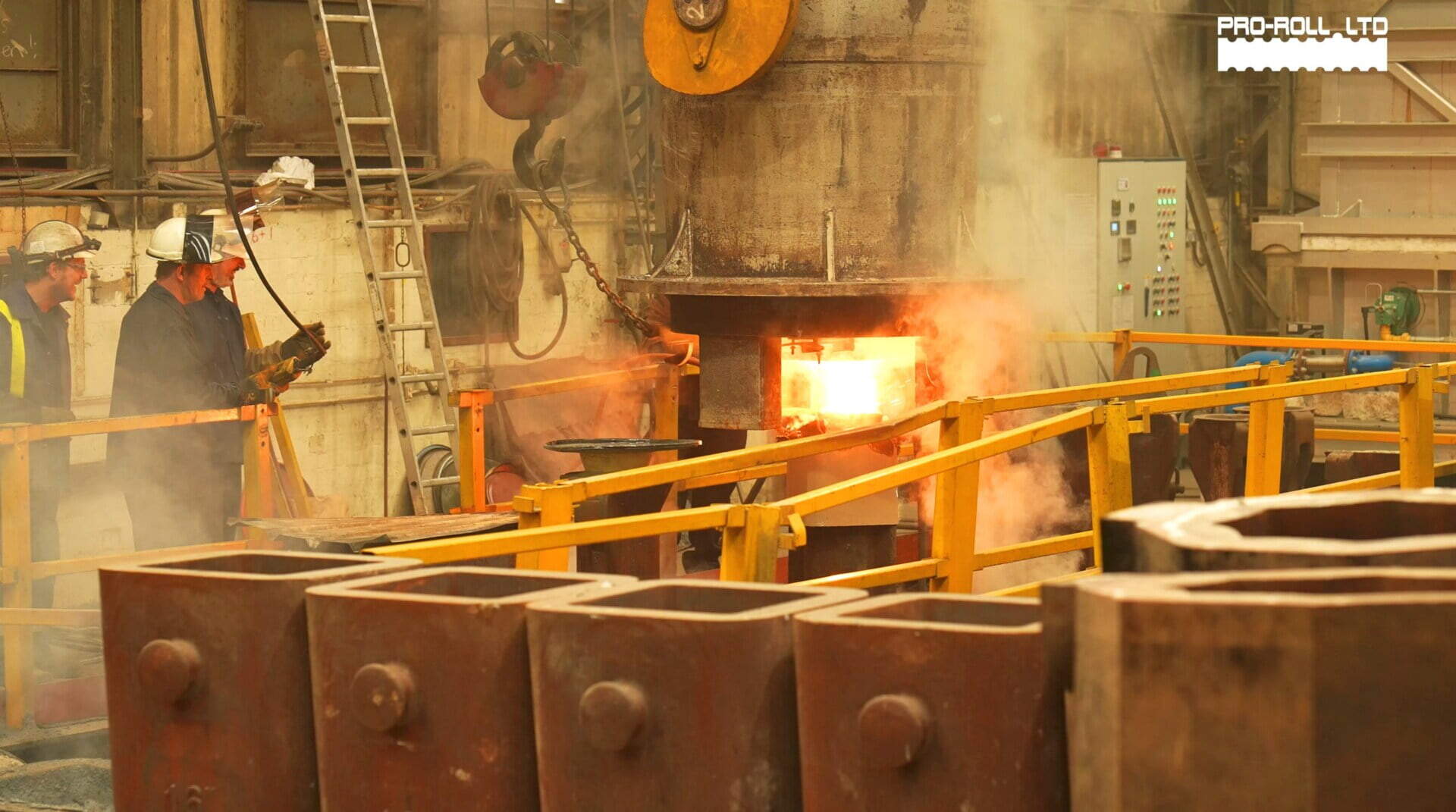
Industrial filming needs the same discipline as the commissioning activity itself. Agree filming zones, permit requirements, PPE, escort arrangements and stop points before the shoot. Review screens, drawings, product labels and background conversations for commercially sensitive information, and confirm what can be shown to external audiences.
The result should feel authentic without exposing information that does not belong in a public-facing film. A short pre-production review with engineering, HSE and communications stakeholders can prevent expensive rework later.
Give every audience a clear next step
Commissioning footage becomes more valuable when each version has a defined job. A technical handover may need precise terminology and chapter markers. A sales version may focus on reliability and the finished capability. An internal training cut may need slower demonstrations and clear prompts for operators.
By defining those audiences before filming, the production team can capture the right coverage once and edit it into useful versions. The finished video then supports acceptance, knowledge transfer and future communication instead of sitting unused in an archive.
When commissioning is treated as a story of proof rather than a final photo opportunity, video becomes a practical project asset. It explains what was built, how it was tested and why the team can move forward with confidence.