Industrial sites depend on fast, accurate decisions. In a control room, operators may be watching several systems at once, responding to alarms, coordinating field teams and recording information that affects the next shift. Industrial video production can make those critical processes easier to understand by showing how information moves from sensors and screens to people and actions.
A well-planned film gives technical teams a shared visual reference. It can support onboarding, explain a new operating philosophy, document a control-room upgrade or help customers understand the work behind reliable production. The strongest films are not simply recordings of monitors: they connect the control room with the machinery, people and procedures that keep an industrial operation moving.
Why control-room stories need more than screen footage
Control rooms are visually complex, and a sequence of screens can quickly become difficult for an outside audience to follow. A useful film establishes context first. It shows the scale of the plant, introduces the process being controlled and then brings the viewer into the room with a clear explanation of what the operators are monitoring.
That structure matters when the audience includes customers, prospective employees, investors or colleagues from another site. They may not understand every tag, trend or alarm state, but they can understand a focused story about awareness, judgement and coordinated response. Good industrial video production translates technical detail without flattening the expertise behind it.
Planning a film around operational priorities
Before filming, the production team should agree what the control room needs to communicate. Is the priority a new digital control system, improved visibility across a line, tighter escalation procedures or the role of operators during an abnormal event? Each objective changes the interview questions, filming schedule, graphics and supporting footage.
Planning also protects the operation. A shoot can be arranged around shift changes, maintenance windows and restricted areas, with clear rules for screens, personal data and commercially sensitive information. This is especially important when the video will be used in industrial video production campaigns that need to work across recruitment, sales and internal communications.
Showing the link between people, data and machinery
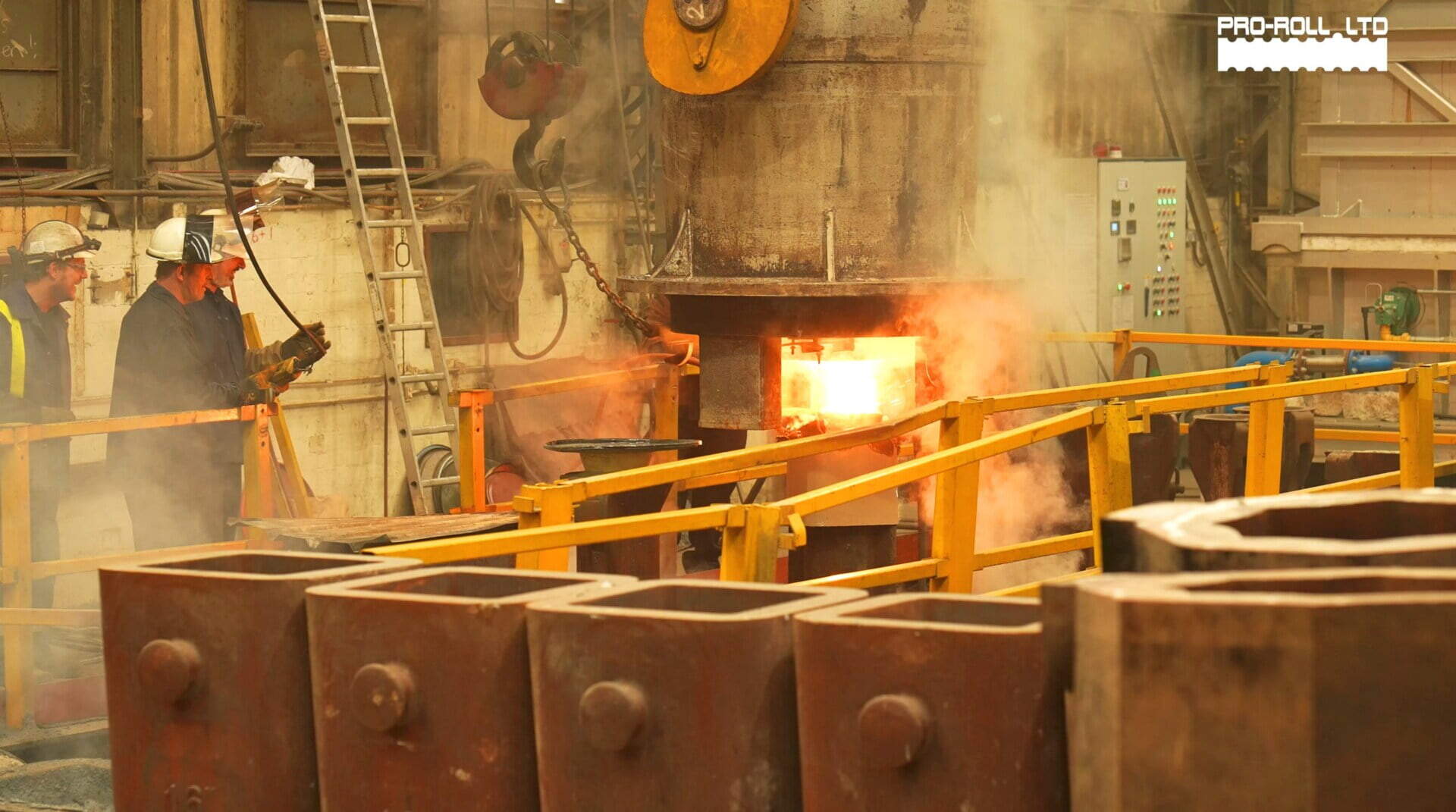
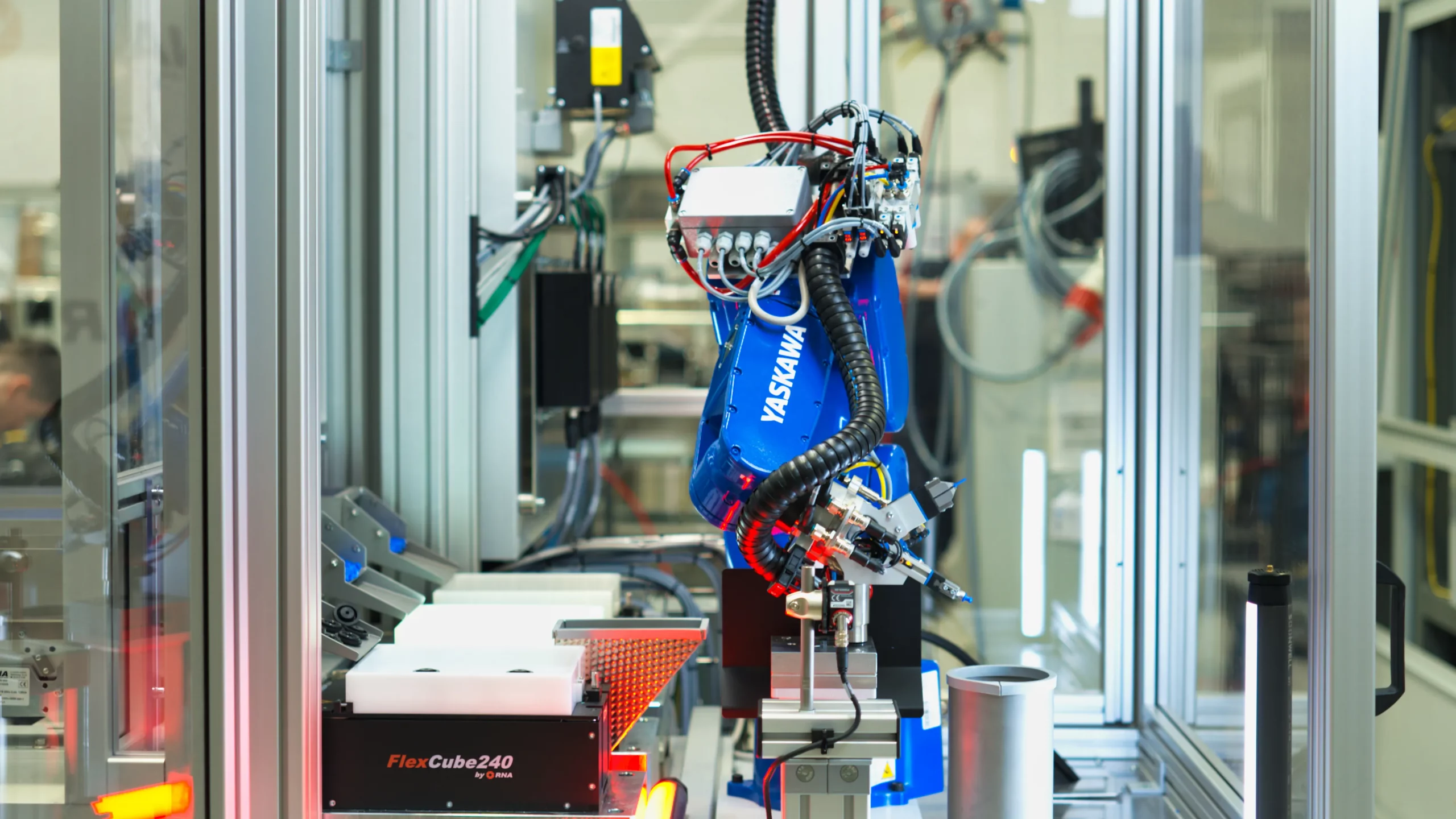
The most persuasive control-room films move between three layers: the operator interpreting information, the system presenting that information and the equipment responding in the plant. Cutaways of pumps, robots, conveyors, vessels or inspection points give the audience a physical sense of what the screens represent.
Interviews can add the human reasoning that interfaces cannot show. An operator might explain how a trend prompts an investigation, how teams confirm a change in conditions or how handovers prevent small issues from becoming larger ones. These details create a credible story while keeping the focus on safe, repeatable performance.
Using graphics without overwhelming the viewer
Simple motion graphics can clarify a process that would otherwise require a long explanation. Animated arrows, restrained callouts and short labels can show where a signal originates, which team receives an alert or how a decision affects production. Graphics should support the filmed material, not compete with it.
It is also worth creating more than one edit. A longer film may suit a customer presentation or internal training session, while shorter versions can introduce a facility, explain a system upgrade or support an engineering sales conversation. This approach makes the original shoot work harder across a wider manufacturing video production plan.
Making the finished video useful after launch
A control-room film should be easy to find, easy to understand and accurate enough to remain useful. Add clear captions, a descriptive title and a short introduction so viewers know what they are about to learn. If the system or procedure changes, schedule a review rather than allowing an outdated film to circulate without context.
Used thoughtfully, video becomes part of the communication system around an industrial operation. It can help a new starter understand the wider process, give a customer confidence in the facility and help teams explain investment in technology. If you are planning a film around a control-room project, get in touch to discuss the operational story, access requirements and deliverables.