Industrial digitalisation is changing how factories plan, measure and improve their operations. New sensors, connected machinery, automated inspection and production dashboards can create better decisions, but the value is often difficult to explain outside the engineering team. Industrial video production gives manufacturers a practical way to make smart manufacturing visible, understandable and useful.
A strong film does more than show a modern machine. It connects the technology to a real operational outcome: less waste, faster changeovers, better traceability, safer work or more consistent quality. By combining carefully planned filming with clear interviews, process detail and purposeful graphics, a production can turn a complex digitalisation project into a story that customers, employees, investors and suppliers can follow.
Why smart manufacturing projects need a visual story
Digital transformation is frequently described in language that is familiar to specialists but unclear to everyone else. Terms such as industrial internet of things, machine learning, edge computing and digital twins can make a project sound impressive while leaving its practical benefit hidden. Video brings the explanation back to the factory floor. Viewers can see the original process, the intervention that changed it and the evidence that the new approach is working.
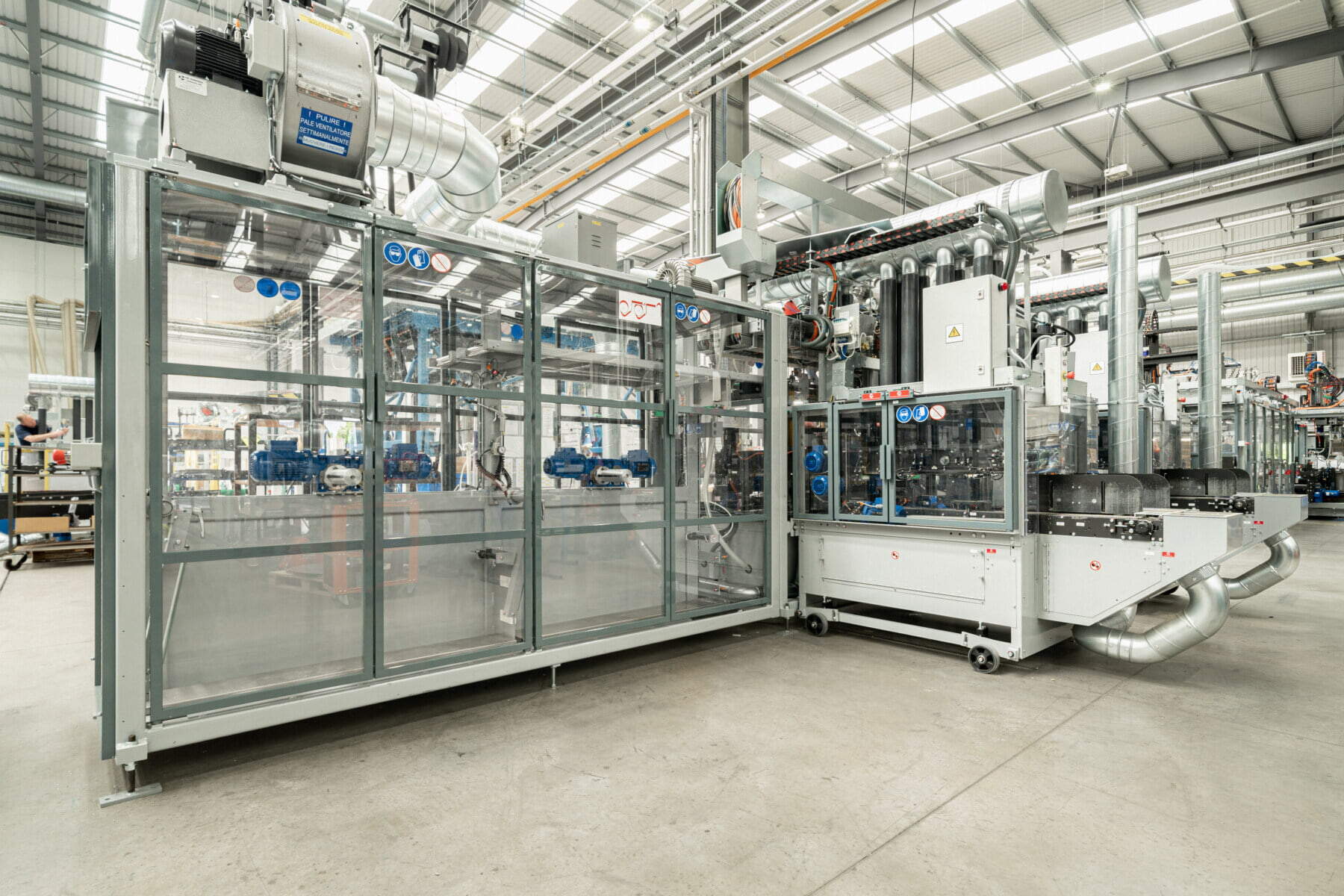
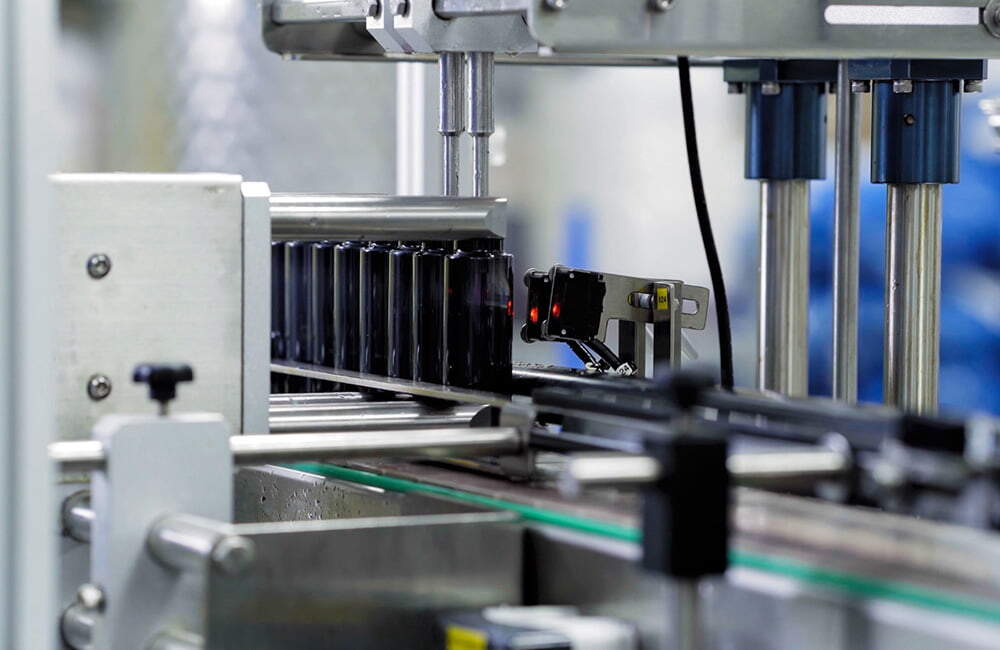
This is particularly important when the technology is embedded inside an existing production line. A sensor may be small, a software interface may be remote and a new data workflow may not look dramatic on camera. The film therefore needs to build a visual chain around the invisible parts of the project. Close-up footage can show the point of measurement, screen recordings can explain the information flow, and interviews can clarify the decision made from that information.
The result is a more credible narrative than a generic technology montage. It shows that digitalisation is not an abstract promise; it is a series of practical choices made by people who understand the equipment, the process and the customer requirement.
Planning the shoot around the production system
Smart manufacturing filming works best when the production team understands the operational rhythm before arriving on site. A pre-production conversation should identify the critical line stages, the system or equipment being introduced, the people who use it and the evidence that demonstrates improvement. This creates a shot list built around the process rather than a collection of attractive but disconnected factory images.
Access and safety planning are just as important. Connected machinery may operate continuously, while installation work, maintenance windows or controlled tests may happen only once. Filming can be scheduled around shift patterns, permit requirements and restricted areas so that the crew captures meaningful activity without interrupting production. For more complex projects, a short technical recce can also establish where camera positions, lighting and audio equipment can be used safely.
Good planning protects the authenticity of the final film. Operators should be able to work naturally, engineers can explain the decisions they made, and the production team has enough time to capture useful details such as barcode scans, inspection points, control-room views and material movement.
Showing data without losing the human perspective
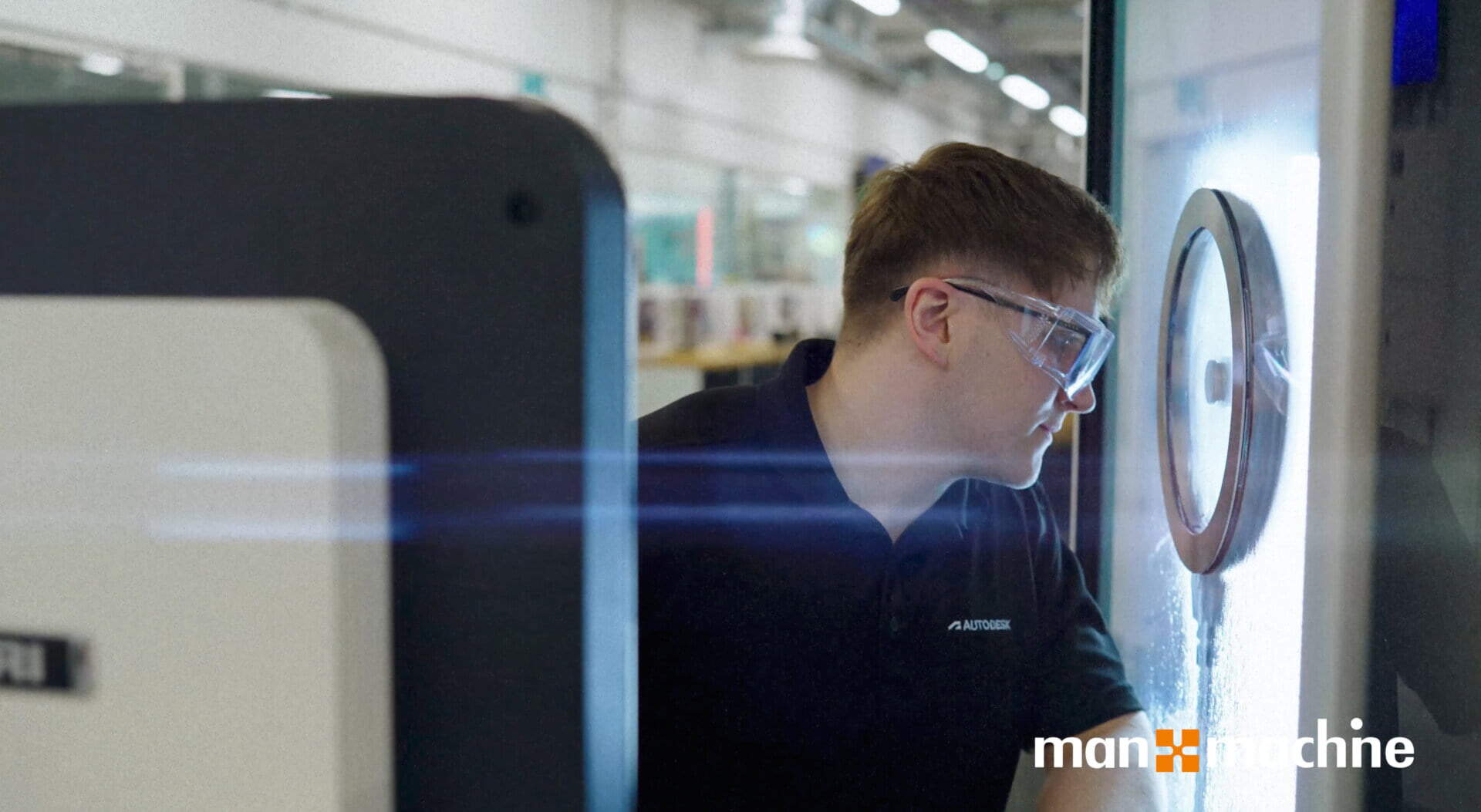
Data is central to digitalisation, but numbers alone rarely make a compelling industrial video. The most effective films connect each metric to a person and a decision. A maintenance engineer can describe how earlier warning changes the response to a developing fault. A production manager can explain how live information helps balance the line. An operator can show how a digital work instruction reduces uncertainty during a changeover.
Screen graphics and animation can support these explanations when they are used with restraint. A simple overlay might identify a sensor, trace a product route or compare a manual and automated step. The purpose is not to decorate the footage; it is to help a non-specialist understand what the camera cannot show directly. Clear typography, deliberate pacing and accurate terminology matter more than visual effects.
This human perspective also helps with adoption. Employees and customers are more likely to engage with a digitalisation story when it recognises the judgement, experience and responsibility that remain essential in a modern factory. Technology becomes an enabler of better work rather than a substitute for the people who make the process reliable.
Creating content for sales, recruitment and internal change
A well-planned production can generate more than one finished film. A main case-study video may support a website or sales presentation, while shorter edits can demonstrate a specific capability at a trade show, explain a new workflow to employees or introduce the project to potential recruits. Capturing interviews in a modular way and filming a broad range of detail gives the edit more flexibility later.
The message should still be adapted to each audience. A customer may want evidence of repeatability and return on investment. An employee may need to understand how responsibilities and training will change. A prospective engineer may be interested in the quality of the technical challenge and the culture around continuous improvement. Industrial video production can serve all three audiences when the underlying story is clear and the supporting edits are planned from the start.
Projects involving digital twins and remote operations can benefit from especially careful versioning, because the same visual material may need to explain both the physical asset and the digital model. Similarly, films about robotics integration need to balance technical performance with the operational context around commissioning, training and safe use.
Making the investment measurable
Before filming begins, agree what the video needs to achieve. Success might mean more qualified enquiries, a clearer sales conversation, stronger recruitment applications or faster internal understanding of a new system. These goals influence the interview questions, the evidence captured on site and the versions delivered after the shoot.
It is also useful to gather practical proof points without overstating results. A film can refer to reduced downtime, improved visibility or more consistent inspection when those claims are supported by the business. Where precise figures are commercially sensitive, the story can still demonstrate the change through a before-and-after explanation, a process comparison or a customer comment.
Smart manufacturing is ultimately about turning information into better action. A carefully produced industrial film makes that transformation easier to see, easier to remember and easier to share. When the production is grounded in the real factory, respects the people who run it and connects technology to measurable outcomes, it becomes a valuable business asset rather than a one-off record of a technical installation.
For related guidance, see our articles on digital work instructions and control room communication.