Digital twins, remote monitoring platforms and connected operating models are changing how industrial businesses explain their facilities and equipment. The technology may be sophisticated, but the communication challenge is practical: customers, investors, partners and internal teams need to understand what is happening in the real world, how data is being used and what decisions the system supports. Industrial video production can turn that complex story into a clear visual journey.
A strong video does more than show a dashboard or provide a tour of a plant. It connects the physical asset to its digital representation, explains the flow of information and shows the operational outcome. That might mean a maintenance team identifying a developing issue remotely, an engineering group testing a change before implementation, or a customer seeing how a site can be managed across multiple locations. The result is a useful communication asset rather than a generic technology demonstration.
Make the digital twin understandable
Digital twin projects often involve sensors, industrial networks, engineering models, cloud services and specialist terminology. Showing all of those elements at once can leave viewers with more questions than answers. Video gives the production team an opportunity to establish a simple visual sequence: begin with the machine, line or facility, introduce the data captured from it, then show how that data appears in the digital environment and influences a real decision.
Careful scripting is important because the most impressive technical feature is not always the most valuable message. A viewer may not need to know every platform name or data protocol. They do need to understand what the system makes possible, who uses it and what improves as a result. Animated overlays, controlled screen recordings and well-planned location footage can work together to explain the relationship between physical operations and digital insight without overwhelming the audience.
Show remote operations as a real workflow
Remote operations are best demonstrated through actions, not claims. Instead of saying that a team can supervise assets from anywhere, show the sequence: an alert appears, an engineer reviews the relevant data, a colleague at the site receives an instruction, and the issue is resolved or escalated. This approach gives the viewer a practical understanding of responsibility, response time and collaboration.
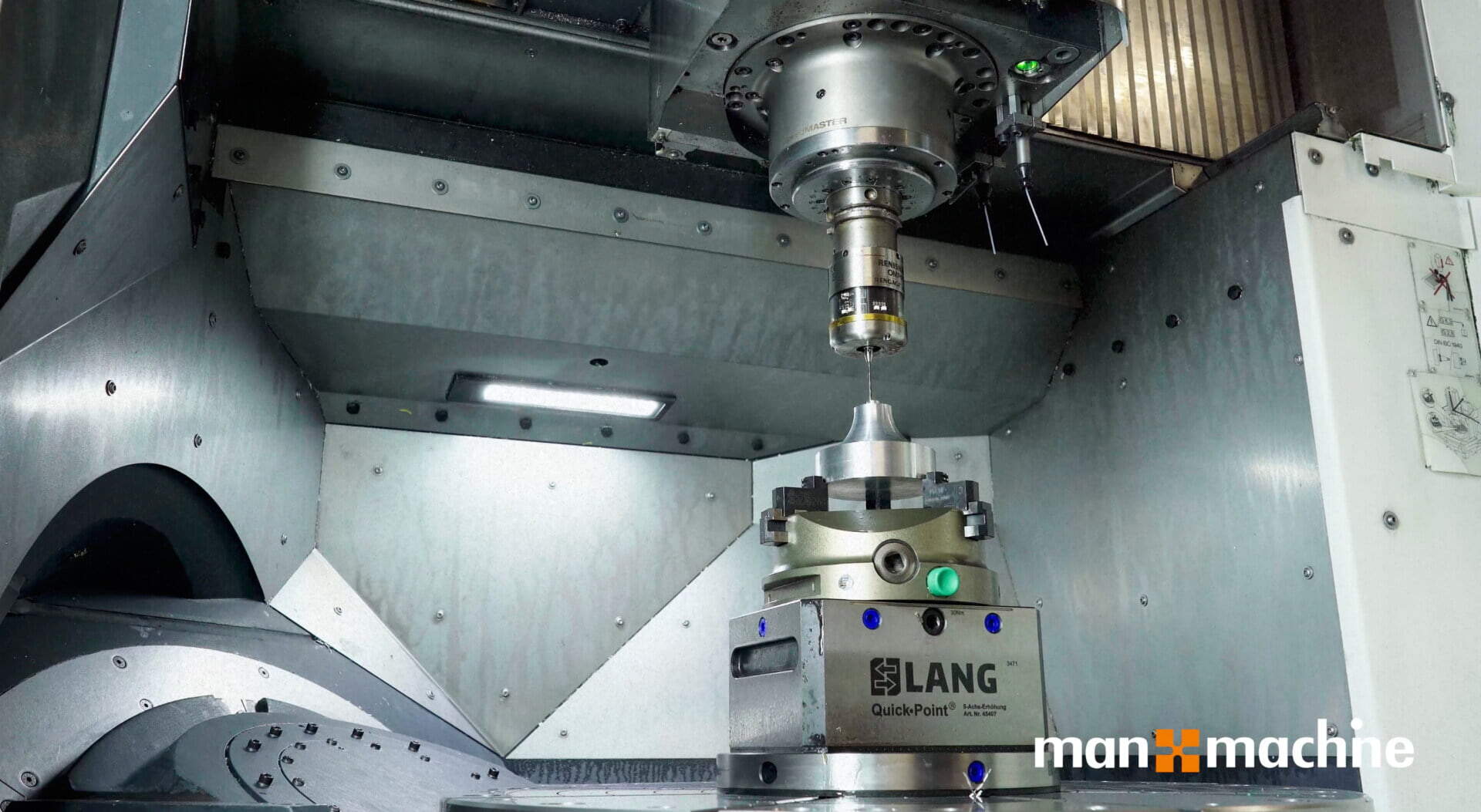
Filming should include both ends of the workflow where possible. A control-room discussion, a technician using a tablet on the factory floor and a close-up of the relevant equipment can create a sense of continuity. Screen graphics can then bridge the physical and remote environments. This is particularly valuable for businesses selling operational technology, industrial software or managed services, because prospects can see how the solution fits into everyday work rather than viewing it as an isolated technical layer.
Support engineering, sales and stakeholder communication
A digital twin video may have several audiences, so it needs a clear primary purpose. An engineering audience may want to see model accuracy, condition data and simulation capabilities. A commercial audience may be more interested in uptime, reduced site visits, faster commissioning and scalable service delivery. Senior stakeholders may need a concise explanation of risk, resilience and return on investment. These messages can coexist when the film has a central narrative and supporting cut-downs are planned from the beginning.
For businesses preparing demonstrations, proposals or product launches, an industrial video production team can capture the material once and structure it for multiple uses. A main case-study film can be supported by short clips for sales meetings, a technical explainer for a website, and focused sequences for events or social channels. Planning these versions during the original shoot reduces the need for expensive reshoots and keeps the visual language consistent.
Film safely around connected assets
Connected industrial environments require disciplined planning. Production teams should agree access routes, filming windows, exclusion zones and rules for screens or data that cannot be shown publicly. A production plan can identify which control-room displays need to be recreated, which equipment can be filmed while operating and where a controlled demonstration is safer than a live intervention.
That preparation also improves the final film. When operators know what is being captured and why, interviews become more specific and demonstrations feel natural. The production can record authentic detail without interrupting critical work. It is often better to film a short, carefully staged sequence that accurately reflects the process than to chase uncontrolled footage that creates safety, confidentiality or continuity problems.
Turn complex capability into a useful asset
The most effective digital twin and remote operations videos leave viewers with a clear mental model. They understand the asset, the information moving through the system and the decisions that follow. They can also see where the solution creates value for people, whether that is a safer site visit, a quicker response, better planning or stronger evidence for a customer.
If your project needs to explain connected manufacturing, industrial software or remote technical expertise, explore our industrial video production service. For films rooted in factory environments, equipment and production systems, our manufacturing video production service can help shape the story, plan the shoot and deliver content that works across sales, training and stakeholder channels.