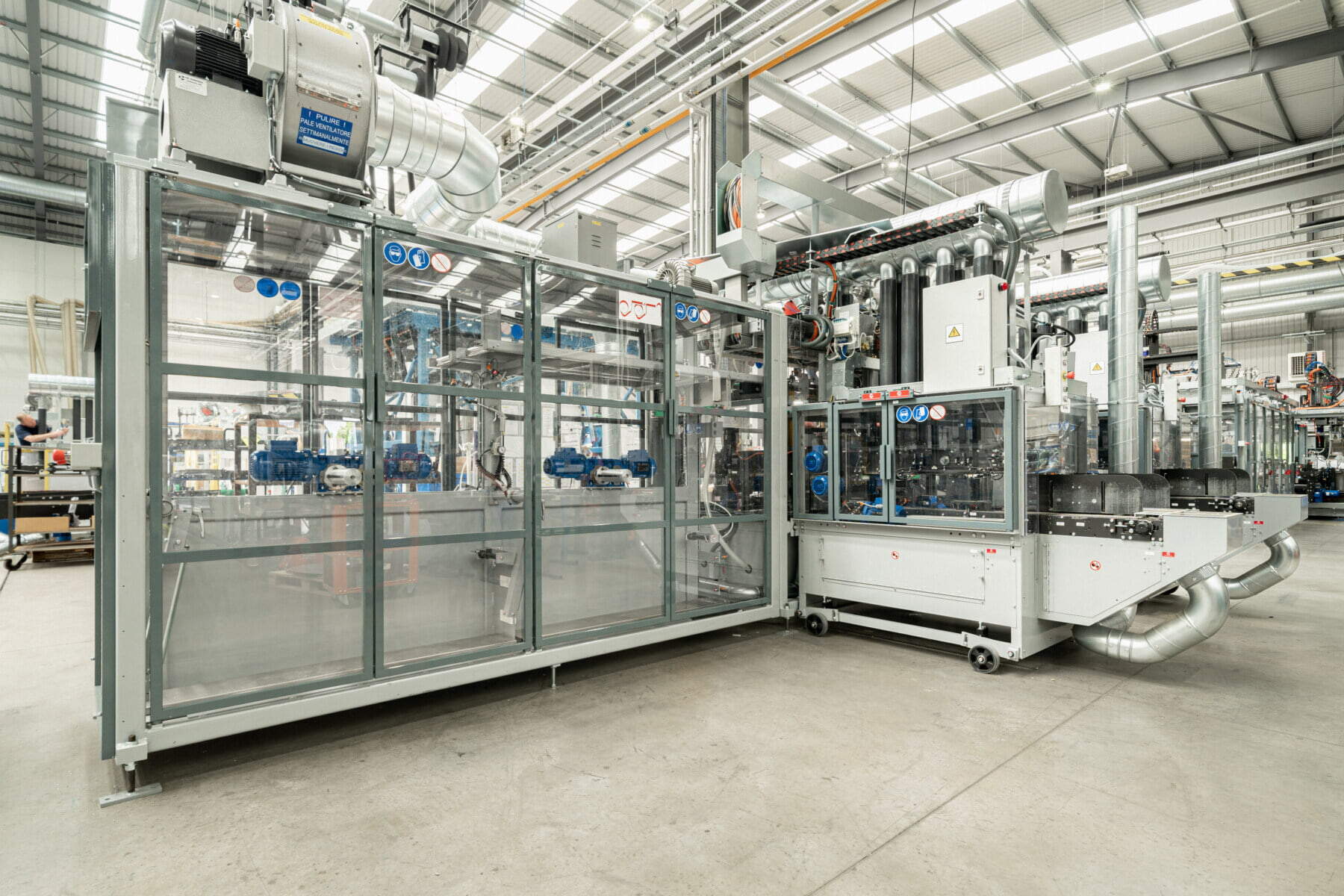
Warehouse automation is changing how products move, but the value of a new system is not always obvious from a specification sheet. Conveyors, robotic picking, palletising cells, autonomous mobile robots and warehouse management software work together as one operational system. Industrial video production can make that system understandable by showing the movement, decisions and human benefits that sit behind the technology.
For automation manufacturers, integrators and logistics operators, a well-planned film becomes a practical sales and communication asset. It can introduce a solution to a prospective customer, support a tender, help a new site team understand the workflow and give an existing customer confidence that the installation is delivering measurable improvements.
Show the complete material-handling journey
The strongest warehouse automation films follow a product or pallet through the facility rather than presenting isolated machines. That narrative might begin with goods-in, move through scanning and storage, follow a pick or replenishment task, and finish at dispatch. This gives viewers a mental map of the operation and explains where each component contributes.
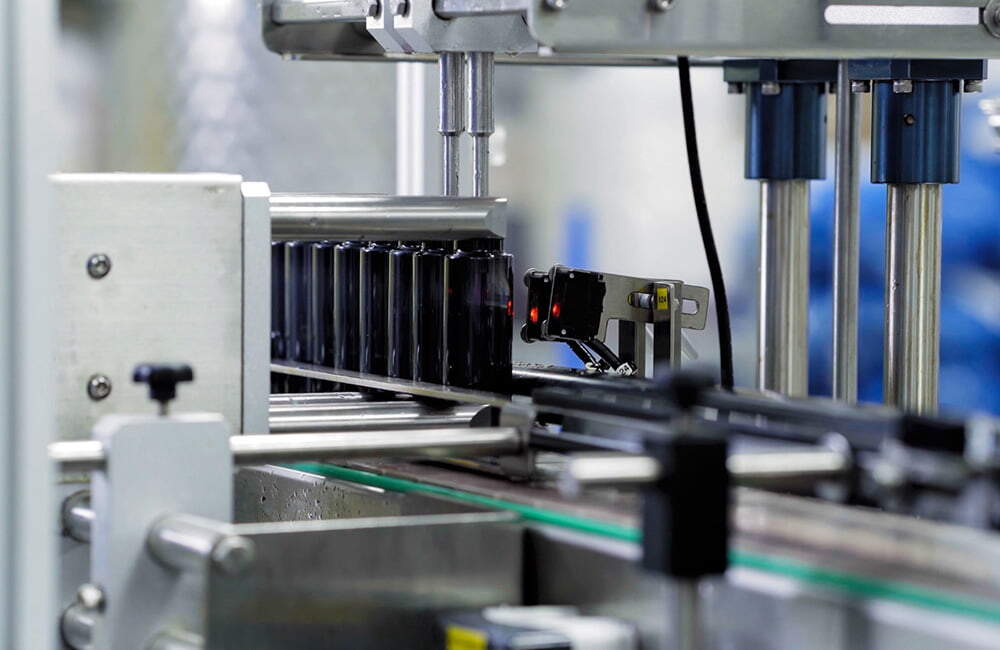
That approach is particularly useful when several technologies are integrated. A camera can connect barcode scanning, software instructions, conveyor control, robotic handling and operator decisions into one clear sequence. Wide establishing shots explain the layout, while close detail shows sensors, grippers, safety systems and interfaces working in real time. The result is more persuasive than a collection of disconnected beauty shots because it demonstrates how the system behaves as a whole.
Production should be planned around the moments that communicate flow: a tote arriving at a workstation, a robot presenting an item, a pallet being wrapped, or an operator resolving an exception. These small actions provide visual proof of speed, accuracy and repeatability without relying on abstract claims.
Make complex automation easy to understand
Warehouse technology often involves specialist language, but the film should be accessible to operations directors, procurement teams, engineers and frontline staff alike. A concise voiceover, carefully chosen on-screen labels and simple animated overlays can explain the difference between storage, picking, replenishment and despatch without slowing the story.
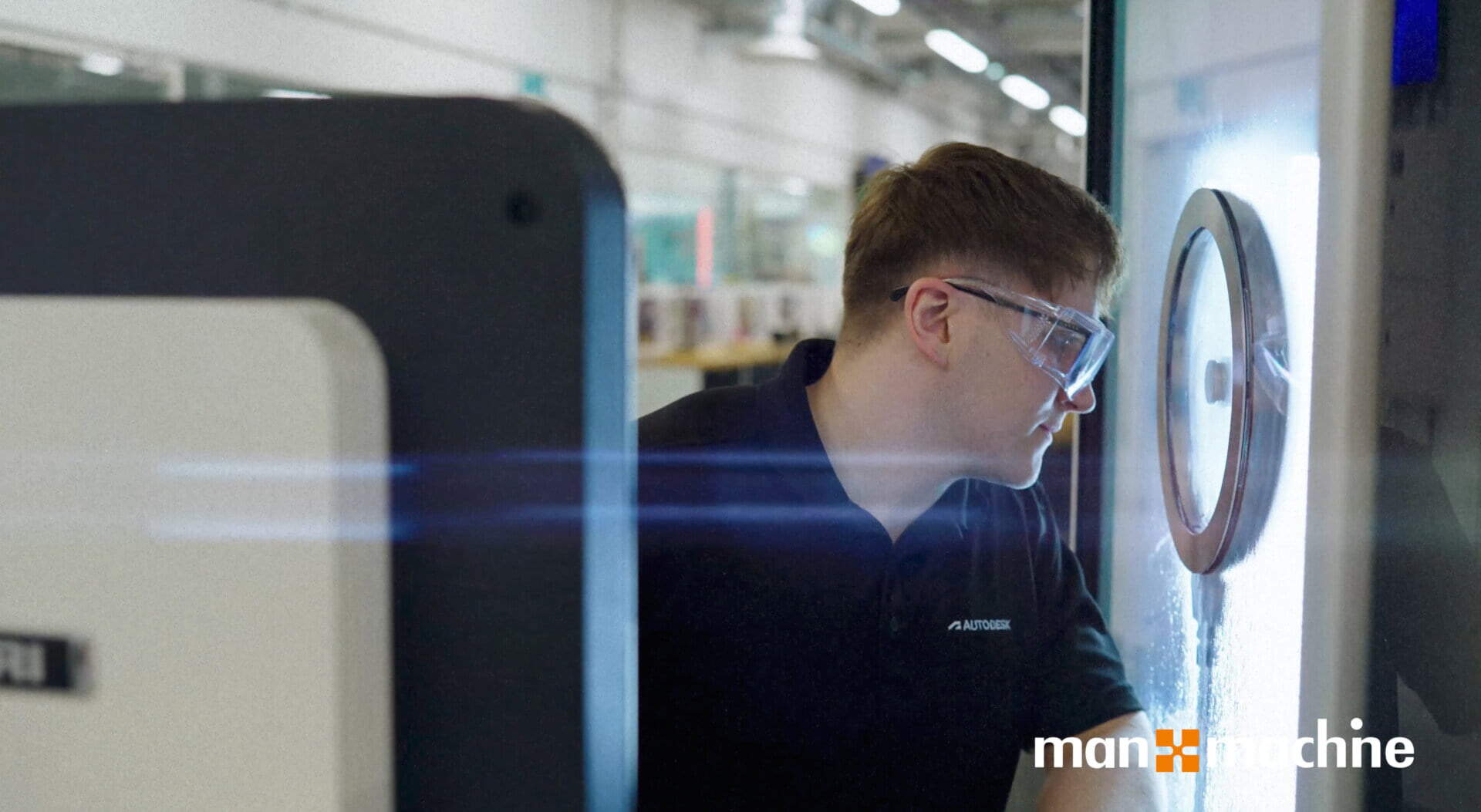
It is also important to show the relationship between people and automation. Operators supervising a fleet, maintaining equipment or handling exceptions help viewers understand that automation is an operational partnership, not a black box. Interviews with a project engineer, warehouse manager or systems integrator can add context around the original challenge, the implementation process and the results achieved.
For a broader explanation of how technical subjects can be translated into compelling communication, see our guide to industrial video production that turns complex processes into clear stories. The same principle applies here: every shot should answer a question the viewer is likely to have.
Plan filming around a live warehouse
Filming in an active distribution centre requires more preparation than a conventional corporate shoot. Production teams need to understand traffic routes, pedestrian segregation, loading schedules, restricted areas, PPE requirements and the times when automation is operating at full capacity. A detailed recce helps the crew identify safe camera positions and prevents filming from disrupting throughput.
Shot lists should include alternative options in case a line is paused, a shift pattern changes or a particular product is unavailable. Remote cameras, long lenses and compact lighting can capture activity without placing people or equipment in the way. When access is limited, a combination of carefully staged demonstrations, observational footage and approved archive material can still produce an honest picture of the system.
Safety communication should be part of the production plan from the beginning. Everyone on camera needs a clear briefing, and the finished film should never encourage viewers to enter exclusion zones or bypass procedures for a better shot. This discipline also builds trust with the site team and protects the credibility of the final video.
Turn one production into a useful content library
A warehouse automation project usually contains more stories than one hero film can hold. The main edit might explain the complete solution, while shorter versions focus on picking accuracy, robotic palletising, software integration, energy use or operator experience. Vertical clips can support social campaigns, and concise technical sequences can help sales teams answer specific questions during customer conversations.
Planning these outputs before filming changes the way the crew captures material. Interviews can be framed for multiple aspect ratios, clean process shots can be held long enough for different edits, and detail footage can be gathered for product pages and presentations. This creates a durable library that continues to support the project after the launch campaign has finished.
Our work on factory digitalisation and smart manufacturing explores a similar challenge: showing how connected systems improve real operations. For warehouse projects, the same production thinking helps bridge the gap between technical capability and commercial value.
Give prospects evidence they can act on
The best warehouse automation video leaves the audience with a clear understanding of the problem, the solution and the next step. It might show how a facility handles peak demand, how a system reduces manual travel, or how an integrator manages commissioning and training. Specific evidence, supported by real footage and credible voices, makes the story useful to people who must justify an investment.
Industrial video production is especially effective when it respects the detail of the operation while maintaining a straightforward narrative. By combining a complete material-handling journey, purposeful interviews, safe access planning and a flexible content strategy, manufacturers and logistics teams can turn a working warehouse into a powerful demonstration of capability.