Supply chains depend on a series of connected operations that are rarely visible to customers in one place. Materials arrive, components move through production, finished goods are checked, stored and dispatched, and specialist teams coordinate each handover. Industrial video production can make that complete journey easier to understand.
A carefully planned film can explain logistics capability to customers, support training and show partners how an operation maintains control from receipt to delivery. It can also reveal the people, systems and infrastructure behind service promises that might otherwise appear as simple statements on a website.
Start with the journey through the operation
Supply-chain films work best when they follow a logical route. The story might begin at goods-in, move through inspection and storage, enter production, and finish with packing and dispatch. This gives viewers a clear mental map of the facility.
The route does not need to show every movement. Instead, it should focus on the stages that demonstrate capability or answer a customer concern. That may include traceability, careful handling, inventory control, rapid fulfilment or the coordination of unusually large products.
Planning the journey before filming helps avoid a collection of unrelated warehouse images. Each sequence contributes to an understandable operational story.
Make scale and flow visible
Logistics operations can be difficult to describe through still photography. Video shows movement: vehicles arriving, materials being received, automated systems routing items and teams preparing loads for dispatch.
Wide shots establish the scale and layout of a site. Mid shots show how people and equipment interact. Close details reveal labels, scans, checks, packaging and product condition. Together, those perspectives demonstrate both capacity and control.
Professional video production can capture busy operations safely while shaping the footage around the information that matters to the intended audience.
Show traceability without exposing sensitive data
Traceability is a critical part of many industrial supply chains. A film can follow an approved item through booking-in, identification, processing and dispatch, showing where information is captured and verified.
Control screens, customer labels and commercial documents may contain confidential information. These should be identified during planning so that approved demonstration data can be used or camera angles can avoid sensitive details.
Graphics can clarify the flow of information without displaying a live system. Simple labels and animation may show how an item remains connected to its batch, specification or inspection record throughout the process.
Explain automation within the wider system
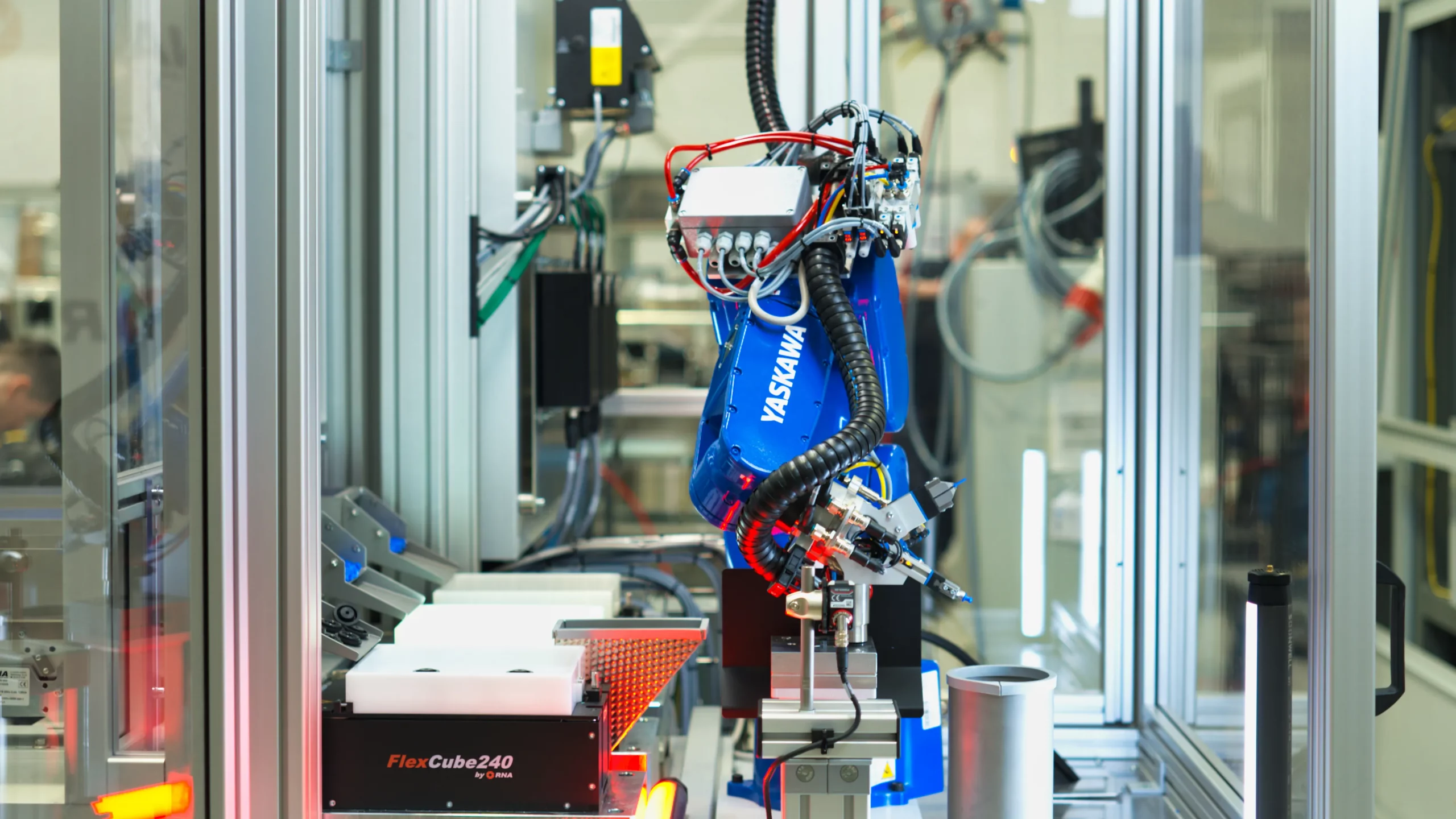
Automated storage, conveyors, scanning, robotics and scheduling software can improve speed and consistency, but isolated machine footage may not explain the business value. The film should show where the technology sits within the whole operation.
Examples of industrial automation video demonstrate how wide operational views, close mechanical detail and interface footage can work together. Animation can add routes, signals or data connections that are not visible to the camera.
The most effective sequences connect the automated action to a practical outcome, such as reducing handling, improving availability or maintaining an accurate movement record.
Feature the people coordinating the work
Technology supports logistics, but people manage exceptions, priorities and customer requirements. Interviews with warehouse leaders, planners, drivers or quality specialists can explain how the operation responds when circumstances change.
Contributors should speak about the work they know directly. A planner might explain how schedules are coordinated, while an operator demonstrates an inspection or loading check. Short, specific answers are usually more credible than broad promotional claims.
Filming teams at work also communicates organisation and professionalism. The production should respect their normal responsibilities and avoid staging behaviour that would conflict with safe procedures.
Plan around a live logistics environment
Warehouses, yards and loading areas contain moving vehicles, restricted zones and changing workloads. A filming plan must fit the site’s traffic management and safety rules.
A pre-production visit helps establish safe camera positions, required protective equipment and the best time to capture each activity. Some sequences may be filmed during quieter periods, while others need to show the operation at representative volume.
Communication is essential on the day. A named site contact can coordinate vehicle movements, release approved areas and confirm when the crew may approach equipment or loading activity.
Demonstrate careful handling and quality
Customers want confidence that products will arrive in the correct condition. Video can show protective packaging, lifting methods, securing points and checks before dispatch. For delicate, regulated or high-value items, this evidence can be particularly reassuring.
The sequence should represent the approved method accurately. Close-ups can reveal inspection details, while wider views show how the team works around the product. If a specialist process is required, the relevant expert can explain why it is used.
Any claim about performance, damage reduction or delivery reliability should be supported by approved evidence. The film can direct viewers to detailed documentation where appropriate.
Create useful content for customers and partners
A main logistics film may introduce the complete operation, while shorter edits can answer specific questions. One clip might focus on traceability, another on export packing, and another on handling oversized equipment.
These assets can support sales presentations, tenders, customer onboarding and distributor training. Captions make them usable without sound, and translated versions can help international partners understand local procedures.
Planning several outputs before filming allows the crew to capture alternative angles and clean sequences that work across different formats.
Use video for internal training and improvement
Operational footage can also support employees. A focused video can demonstrate goods-in checks, safe routes, scanning routines or packaging standards. It provides a consistent visual reference alongside competent instruction and current written procedures.
Reviewing footage may reveal practical opportunities too. Teams can see handovers and movements from a different perspective, helping them discuss clarity, layout or communication. Any improvement process should involve the people who perform the work rather than treating the camera as an audit tool.
Training films need an owner and review schedule because layouts, systems and procedures change. Outdated content should be revised or withdrawn promptly.
Build a reusable operational library
One filming period can create a broad library of approved material: vehicle arrivals, handling, storage, scanning, packaging, dispatch and team activity. This footage can support future customer stories, recruitment, reports and project updates.
Clear filenames and permissions make the library easier to reuse. Footage should identify the location, date, process and any restrictions. This prevents an old or site-specific sequence being presented as current general practice.
Industrial video production gives supply-chain teams a way to show how promises become practical operations. By following the real journey, protecting sensitive information and connecting technology with people, a film can make complex logistics clear and credible.
If you need to communicate a warehouse, logistics or industrial supply-chain operation, contact Industreel to discuss a production plan built around your facility and audience.