Industrial sustainability programmes often involve changes that are difficult to see from a headline figure alone. New equipment, energy systems, process improvements and material-recovery projects all contain a practical story about how an organisation is changing the way it operates. Industrial video production can make that work visible without reducing a complex programme to broad environmental claims.
A well-planned film can document an installation, explain the engineering behind an improvement and connect operational activity with approved performance evidence. It can support employees, customers, investors and project partners while creating a useful record of progress.
Start with a specific, supportable story
Sustainability is a wide subject. A film becomes more credible when it focuses on a defined project or outcome rather than attempting to cover every ambition at once. The story might centre on energy efficiency, process heat, waste reduction, water use, electrification or the introduction of lower-impact materials.
Before filming, the project team should agree what can be demonstrated and which claims have been approved. This creates a strong narrative boundary. The production can show the original challenge, the engineering response and the evidence available so far.
If a programme is still in development, the film should say so clearly. Honest language about trials, milestones and remaining work builds more trust than presenting an early project as a finished result.
Show where the change happens
Environmental performance can feel abstract when it is discussed only through targets. Factory footage connects the message to real assets and working practices. Wide views establish the facility and production flow, while closer images reveal controls, insulation, drives, recovery systems, instrumentation and operator interaction.
A sequence can follow energy or material through the process, helping viewers understand where an intervention makes a difference. It can also show how a new system integrates with existing machinery rather than appearing as an isolated technology.
Professional video production helps organise this visual evidence into a clear account for viewers who may not know the site or the engineering behind it.
Connect engineering detail to operational value
Technical specialists may describe a project through equipment specifications and control strategies. Other stakeholders may be more interested in reliability, cost, resilience or the ability to meet customer expectations. A strong film links these perspectives.
An engineer can explain how the system works, while supporting footage shows its place in production. Graphics can clarify an energy flow or compare process stages. Approved data can then establish the result without asking the viewer to interpret a dense table on screen.
The language should remain precise. Terms such as efficiency, reduction, renewable and net zero have different meanings, and the film should use them only where the underlying evidence supports them.
Document installation and commissioning
Many sustainability projects are most visually interesting while they are being built. Delivery, assembly, integration and commissioning reveal the scale of the work and the expertise required to complete it.
A milestone filming plan can capture those stages without disrupting the programme. Early footage may show the existing condition and site preparation. Later visits can document installation, testing and the first period of operation.
Consistent camera positions help demonstrate physical change. Short interviews recorded at each stage preserve the decisions, challenges and learning that might otherwise be forgotten after handover.
Make energy systems understandable
Industrial energy projects can involve infrastructure that is hidden, distributed or difficult to film. Electrical upgrades, heat recovery, storage, compressed air and control optimisation may span several parts of a site.
Diagrams and animation can connect those elements. A simple visual route can show where energy enters, how it is used and where recovery or efficiency measures have been introduced. These graphics should be reviewed by the technical team and use consistent units and terminology.
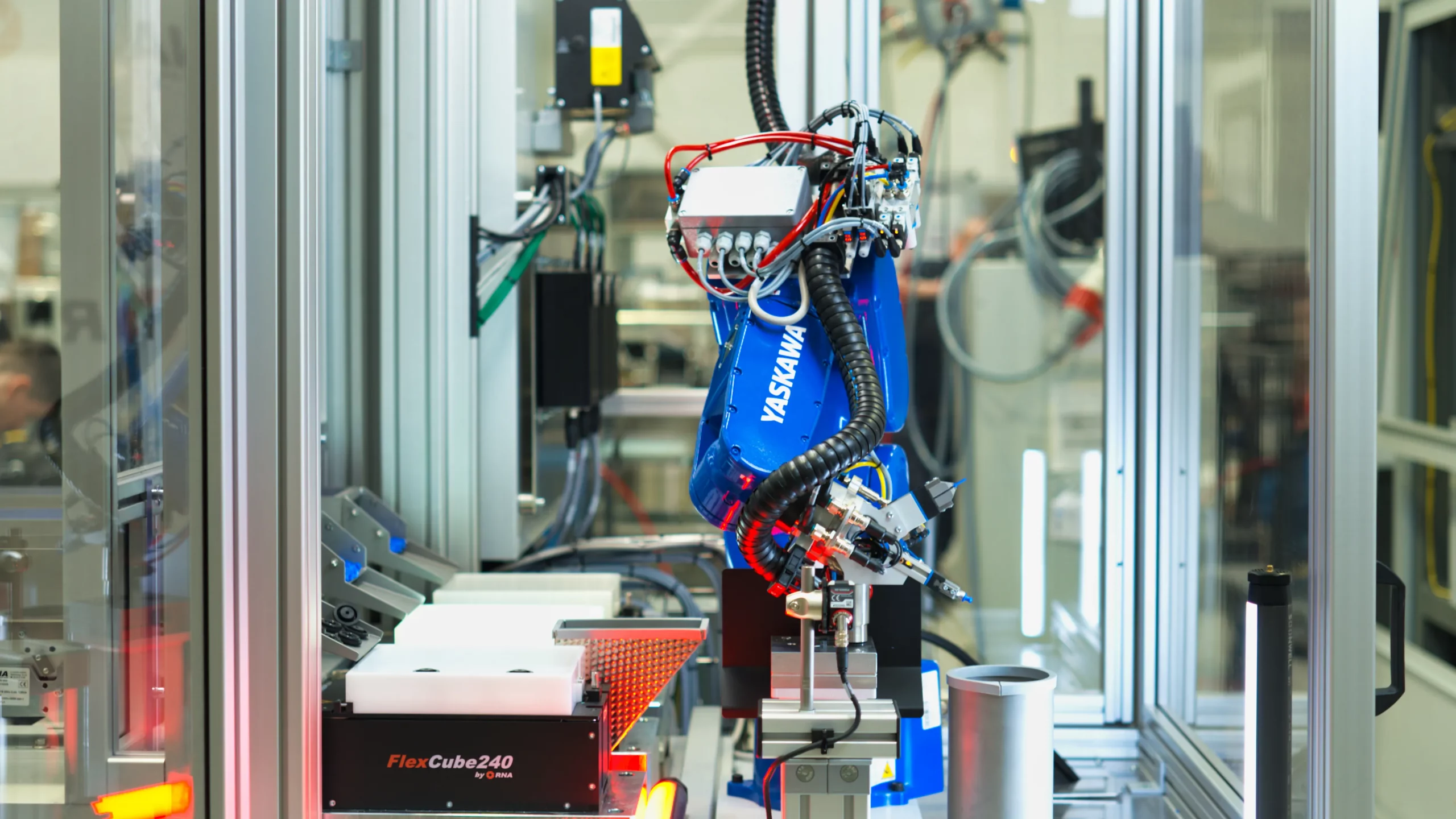
When the project includes automated equipment, examples of industrial automation video show how machine footage, interfaces and animated overlays can explain the relationship between hardware, controls and data.
Include the people responsible for delivery
Sustainability projects are achieved by people across engineering, operations, maintenance, procurement and leadership. Their perspectives can make the film more useful and credible.
A project engineer might explain the technical decision, while an operator describes how the change affects daily work. A maintenance specialist can discuss reliability and upkeep, and a leader can place the project within the wider business strategy.
Interviews should focus on direct knowledge rather than generic statements. Contributors are strongest when they explain what they did, what they observed and what the next stage involves.
Use data carefully and visibly
Performance figures can strengthen a sustainability film, but they need context. Viewers should understand whether a number is measured, estimated or projected; the period it covers; and the baseline used for comparison.
On-screen graphics should present only the information needed to support the story. Detailed methodology can sit in a report or linked project page. This keeps the film readable while allowing interested viewers to examine the evidence further.
All data should pass through the organisation’s approval process before publication. If a result may change as the system settles, the film can concentrate on the project and refer viewers to a current source for later figures.
Avoid visual greenwashing
Natural imagery and broad promises can make an industrial sustainability film feel disconnected from the actual work. Credibility comes from showing the factory, the equipment and the decisions that produced the improvement.
The film should not imply that one project resolves every environmental impact. Clear scope, specific evidence and balanced language allow genuine progress to stand on its own. Where challenges remain, acknowledging them can demonstrate that the organisation understands the wider task.
Visual polish is valuable, but it should support accuracy. The purpose is to help the audience see the work clearly rather than decorate an unsupported claim.
Create versions for different stakeholders
A complete project film may be useful for a website or presentation, while shorter edits can support internal updates, customer conversations and social channels. Technical partners may need a detailed version; a wider audience may benefit from a concise overview.
Planning these outputs before filming allows the crew to capture alternative compositions, clean process sequences and interview answers that can stand alone. Captions improve accessibility and make the videos usable where sound is unavailable.
A library of approved footage can also support annual reports, recruitment, tender submissions and future project updates. Clear filenames and usage permissions keep that material reliable over time.
Keep the communication current
Sustainability programmes develop as new data arrives and further projects begin. Every film should have an owner, publication date and review point. Outdated figures or descriptions should be revised or removed.
Modular content makes updates easier. A new performance graphic, interview or project chapter can be added without discarding footage that remains accurate. Clean masters and organised project files reduce the cost of future versions.
Feedback from employees, customers and partners can reveal what needs more explanation and which projects deserve their own film.
Turn progress into credible visual evidence
Industrial video production can connect sustainability strategy to the equipment, processes and people delivering it. It gives stakeholders a practical view of change while helping technical teams explain why the work matters.
The strongest films are specific, measured and transparent. They show genuine activity, use approved evidence and distinguish clearly between completed results and future ambition.
If you need to document an industrial energy or sustainability project, contact Industreel to discuss a production plan shaped around your milestones and audiences.