Industrial tenders often ask a buyer to evaluate complex capability through documents, schedules and technical evidence. Those materials are essential, but they may not fully communicate the scale of a facility, the discipline of a process or the expertise of the people who will deliver the work. Industrial video production can add a clear visual layer to a bid.
A focused film can help evaluators understand how a supplier operates before a site visit is possible. It can demonstrate manufacturing capacity, quality controls, safety culture and project experience while keeping the message aligned with the written submission.
Use video to support the bid, not repeat it
A tender film should have a defined role. Reading sections of the written response to camera rarely makes good use of the medium. Video is strongest when it shows evidence that is difficult to convey on a page: the flow of a production line, the condition of a facility, the scale of equipment or the interaction between engineering teams.
The bid team can begin by identifying the evaluation points that would benefit most from visual proof. If the tender places weight on capacity, quality, innovation or mobilisation, the film can be structured around those themes. Each sequence should connect directly to a buyer concern rather than becoming a general corporate overview.
Make industrial capability easy to assess
Evaluators may not have time to interpret a long technical story. A clear opening should establish who the supplier is, what it can deliver and why the featured operation is relevant to the contract. From there, the film can move through carefully selected evidence.
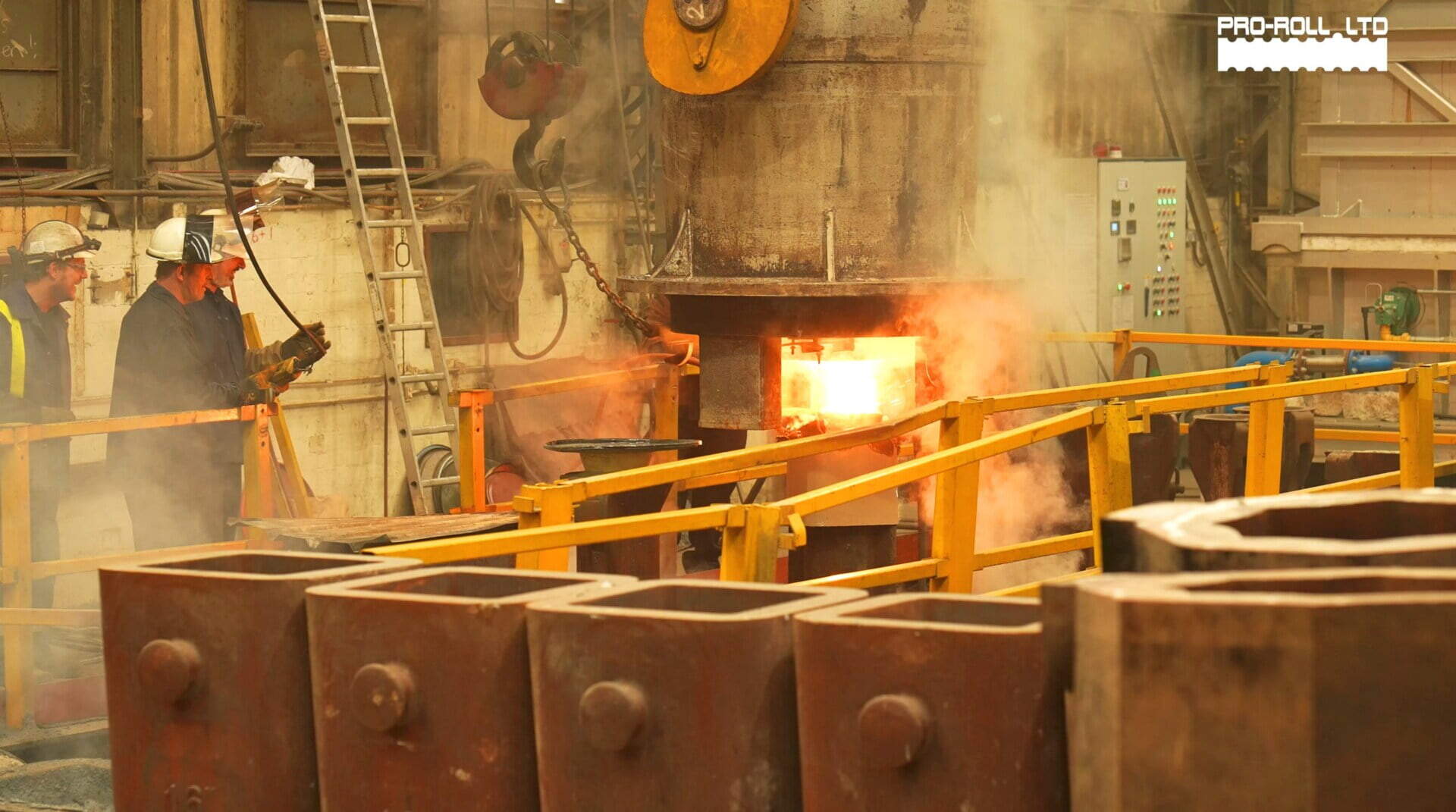
Wide shots show the size and organisation of the site. Mid shots explain workflow and team activity. Close details reveal tooling, inspection, traceability and finish. Together, those perspectives help the viewer understand both overall capability and day-to-day control.
Professional video production can organise that evidence into a concise narrative without oversimplifying the engineering behind it.
Start planning before the tender deadline
Bid schedules are often compressed, so video should be considered as soon as the opportunity is qualified. Early planning gives the production team time to understand submission requirements, arrange access, secure permissions and film the processes most relevant to the buyer.
A simple production timetable can work backwards from the final upload date. It should include discovery, script approval, site preparation, filming, editing, technical review and any time required to fit platform specifications. Leaving review until the final day increases the chance that an otherwise strong film cannot be submitted.
If filming must take place before the written response is complete, the bid team can still agree core proof points and capture a broad library of relevant footage. Narration and graphics can then be refined as the response develops.
Show the team that will deliver the work
Industrial contracts depend on people as well as machinery. Short contributions from project leaders, engineers, quality specialists or operational managers can give evaluators a sense of the expertise behind the proposal.
Interviews should focus on useful substance. A project lead might explain how mobilisation will be managed, while a quality manager describes the checks that protect consistency. An engineer can clarify the approach to integration or problem-solving. These voices make the bid more personal without turning the film into a sequence of promotional statements.
Where named personnel are part of the tender, featuring the appropriate people can reinforce continuity between the written submission and the visual presentation.
Demonstrate quality and traceability
Quality claims are more persuasive when viewers can see the systems behind them. Video can follow a component through inspection, show calibrated equipment in use, reveal controlled documentation and capture how teams record or respond to results.
On-screen labels can connect each scene to an agreed standard, process stage or contract requirement. The language must be accurate and approved, especially where the film refers to certification, performance or compliance.
Confidential information should be identified before filming. Screens, drawings, customer products and serial numbers can be excluded, obscured or replaced with approved demonstration material.
Explain automation and specialist processes
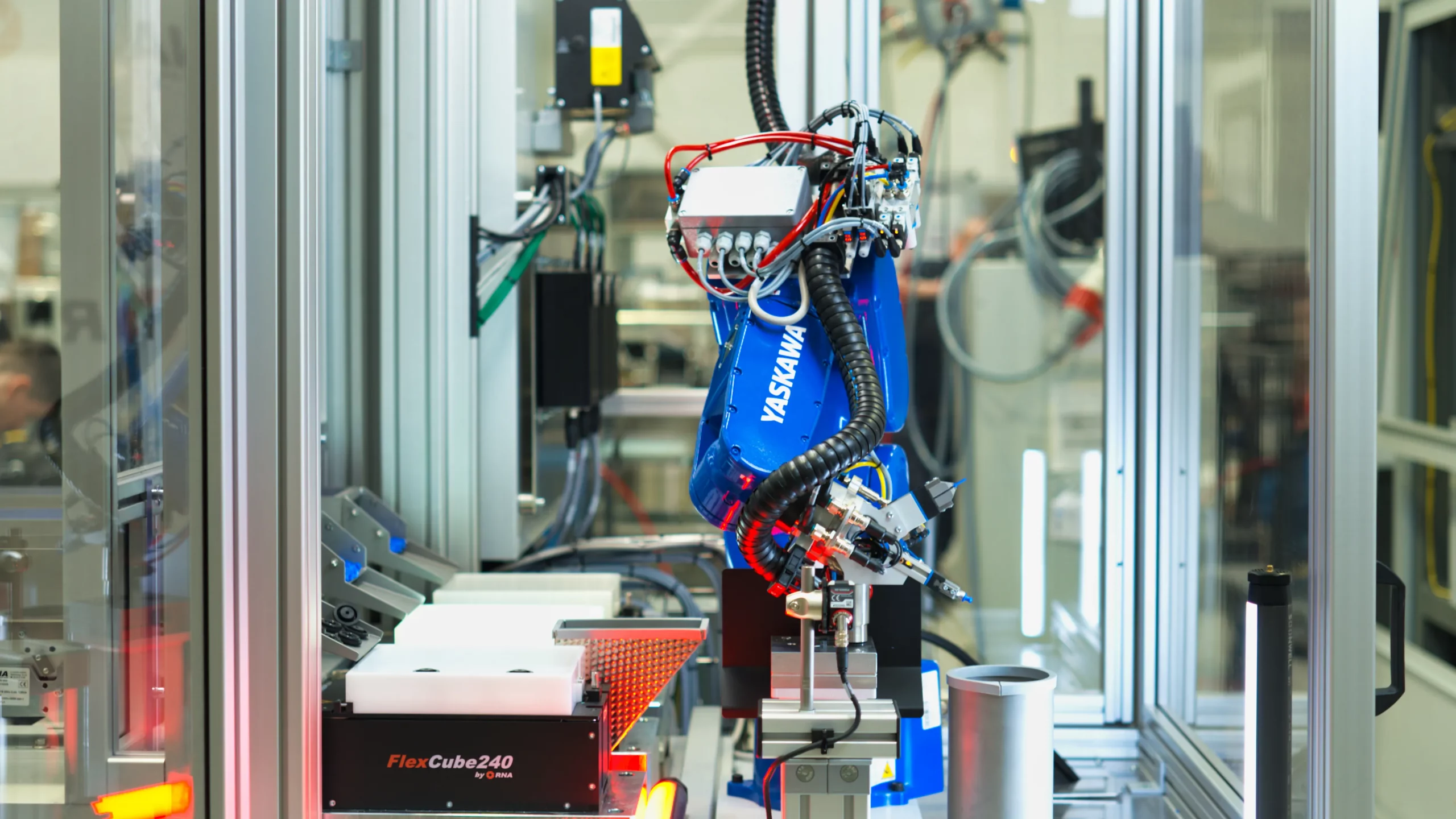
Some capabilities are difficult to understand from still images. An automated cell, integrated handling system or complex sequence becomes clearer when the viewer can follow it in motion. Camera movement and carefully chosen angles can reveal how equipment connects and where people interact with the process.
For technically dense operations, examples of industrial automation video show how graphics, close details and wider operational footage can work together. Animation may help explain internal mechanisms, data flow or a proposed future configuration that cannot yet be filmed.
The objective is clarity rather than spectacle. Every technical visual should help an evaluator understand the supplier’s ability to meet the requirement.
Address safety through real evidence
Safety sections in a tender often contain policies, records and statistics. Video can complement them by showing how safe working appears in practice: pedestrian segregation, protective equipment, pre-task checks, supervision and controlled access to machinery.
Any safety sequence must be authentic and correctly performed. Staging an action for the camera should never introduce risk or suggest a shortcut. Site safety representatives should help plan and approve what is shown.
A calm, factual presentation is usually more credible than dramatic language. It allows the visible condition of the workplace and the behaviour of the team to carry the message.
Prepare the right delivery versions
Tender portals may impose limits on file size, duration or format. Some buyers will accept a link, while others require files to be included within a controlled submission. These rules should be confirmed before editing begins.
The production may need a full bid film, a shorter executive version and individual clips linked to specific response sections. Captions make the material usable without sound and improve accessibility. A transcript can help evaluators reference the content and may be required as part of an accessible submission.
Secure hosting and controlled access may be appropriate when the film contains commercially sensitive information. The team should agree who can view, download and share each version.
Create value beyond one opportunity
A tender-specific film may contain sections that can support future bids, capability presentations and sales conversations. Planning modular content makes approved sequences easier to reuse without carrying forward obsolete contract references.
Clean footage of facilities, processes and people can become part of a broader visual library. Bid teams then have credible material available when the next deadline arrives, reducing the need to start every submission from scratch.
Version control remains important. Every reused sequence should be checked against current equipment, staffing, certifications and operating practices before it appears in a new proposal.
Give evaluators confidence
Industrial video production does not replace a precise, compliant tender response. It strengthens the submission by making selected claims easier to see and understand. When the footage, interviews and graphics are built around evaluation priorities, video becomes evidence rather than decoration.
The best tender films respect the viewer’s time, protect sensitive information and remain closely connected to the proposed delivery. They show a capable organisation at work and help the buyer picture that capability being applied to the contract.
If your bid team needs to present industrial capability clearly, contact Industreel to discuss a focused production plan for the opportunity.