Industrial businesses often need to explain progress, capability and strategy to people who do not spend every day inside the operation. Investors, board members, partners, local communities and internal stakeholders may all need a clear view of what is happening across a facility or project. Industrial video production can make that information easier to understand by connecting business messages with visible evidence.
A purposeful film can show how investment is being used, introduce the people leading a programme and demonstrate changes on the factory floor. It can also give stakeholders a consistent account of complex work, particularly when visiting the site is difficult or impractical.
Begin with the audience and the decision
Stakeholder communication is most effective when it has a specific purpose. A film for investors considering future growth needs a different emphasis from a project update for employees or a presentation to community representatives.
Before production begins, define who will watch, what they already understand and what they need to know next. The film may need to explain a capital programme, demonstrate operational improvement, introduce a new facility or provide evidence that an important milestone has been reached.
This focus prevents the production from becoming a broad company overview. Every interview, process shot and graphic can support the information that matters to the intended audience.
Make investment visible
Capital expenditure can be difficult to appreciate through numbers alone. Video can show a new production line being installed, expanded capacity coming online or upgraded technology changing the way a process operates.
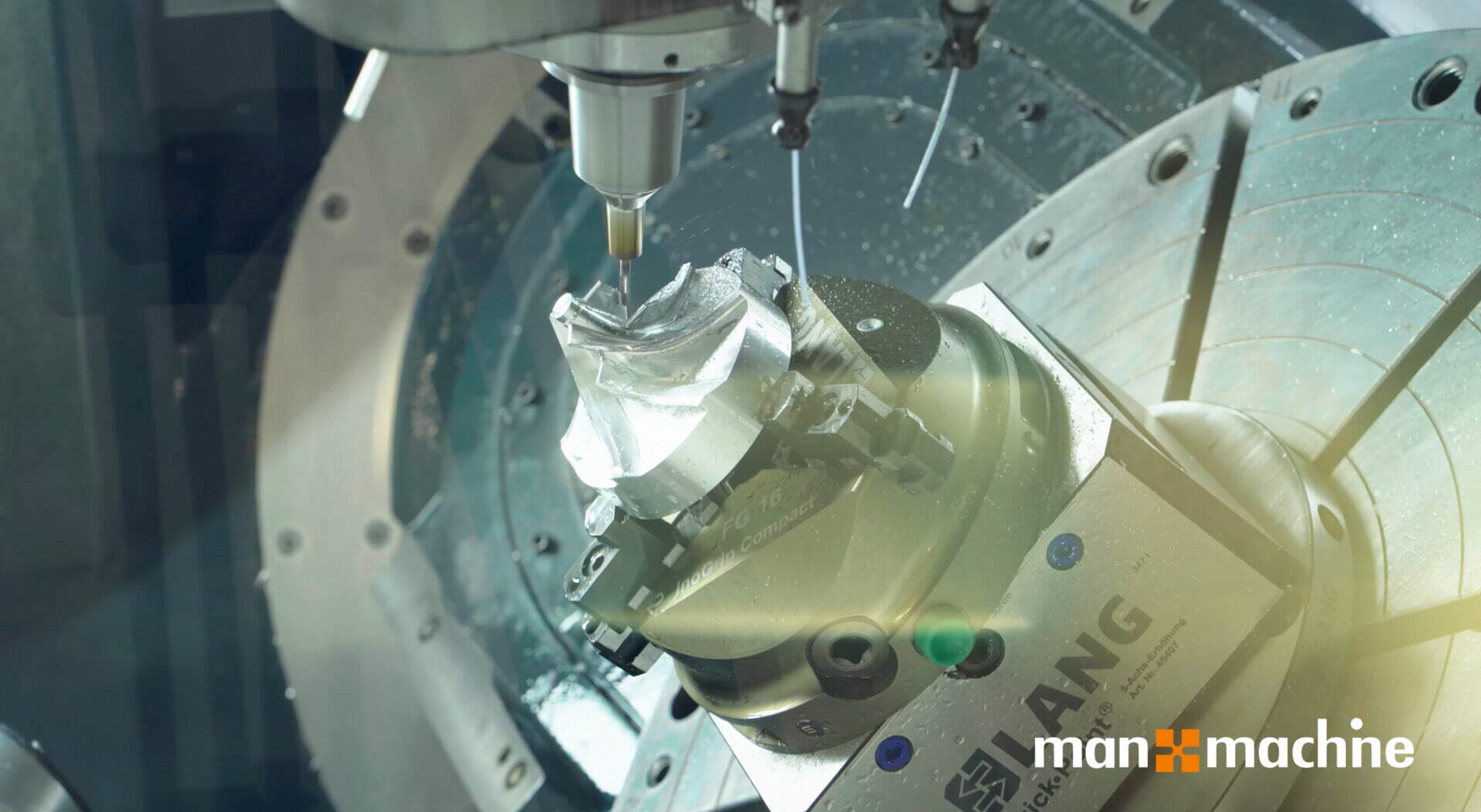
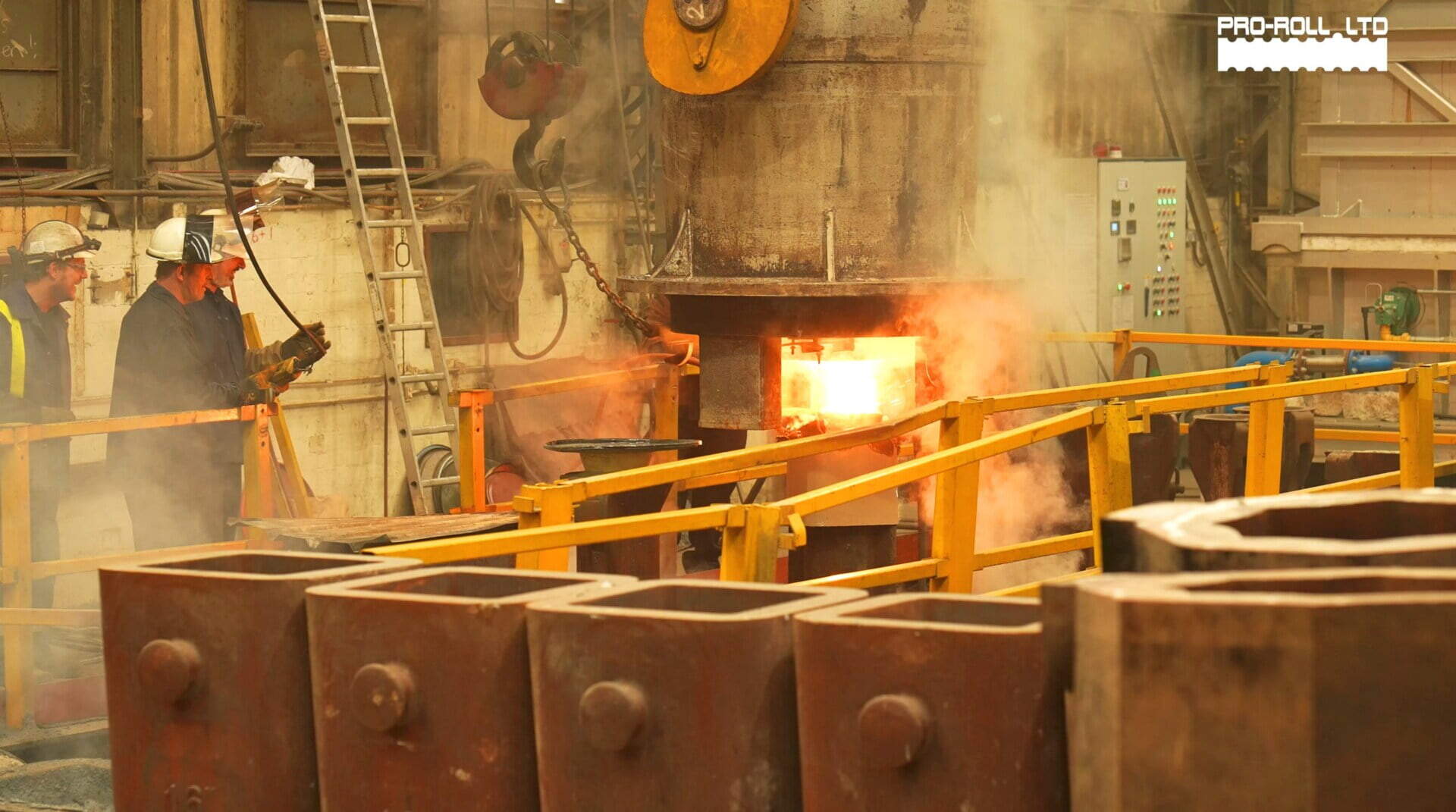
Wide shots establish scale and context. Closer details reveal engineering quality, commissioning work and the interaction between people and equipment. A simple before-and-after structure can demonstrate progress without relying on exaggerated claims.
Professional video production helps shape these images into a clear story, balancing operational detail with the wider commercial reason for the investment.
Translate technical work into business relevance
Industrial projects contain specialist language, but stakeholders may be more interested in what the work enables. A technically accurate film can connect engineering changes to outcomes such as capacity, resilience, product development, energy performance or customer service.
That translation should remain grounded in evidence. Rather than filling the edit with promotional phrases, the production can show the process and let informed contributors explain why it matters. Carefully designed graphics can clarify timelines, system relationships and selected data where the camera cannot.
The result should respect both audiences: technical viewers need accuracy, while non-specialists need a structure they can follow without extensive background knowledge.
Use credible voices from across the organisation
Stakeholder films benefit from the people closest to the work. A senior leader can explain strategic intent, while an engineer describes implementation and an operator reflects on practical change. Together, those perspectives create a more complete and believable account.
Interviews work best when contributors answer focused questions in their own words. They do not need to memorise long scripts. Preparation can identify the key points, remove unnecessary jargon and ensure that each person adds something different to the story.
Featuring a range of roles also shows that progress is being delivered by a functioning team rather than existing only as a management message.
Document milestones as they happen
Major industrial programmes develop over time. Waiting until completion may mean missing installation stages, construction activity, testing or the first successful production run. A planned series of filming visits can capture those moments as the project moves forward.
Regular milestone footage can support short updates during delivery and later become part of a complete project story. Consistent camera positions are useful for showing physical change, while dated interviews preserve the reasoning and challenges associated with each stage.
A filming schedule should align with the project plan but retain flexibility. Commissioning dates can move, and production teams need enough notice to capture meaningful activity without disrupting the work.
Show automation with enough context
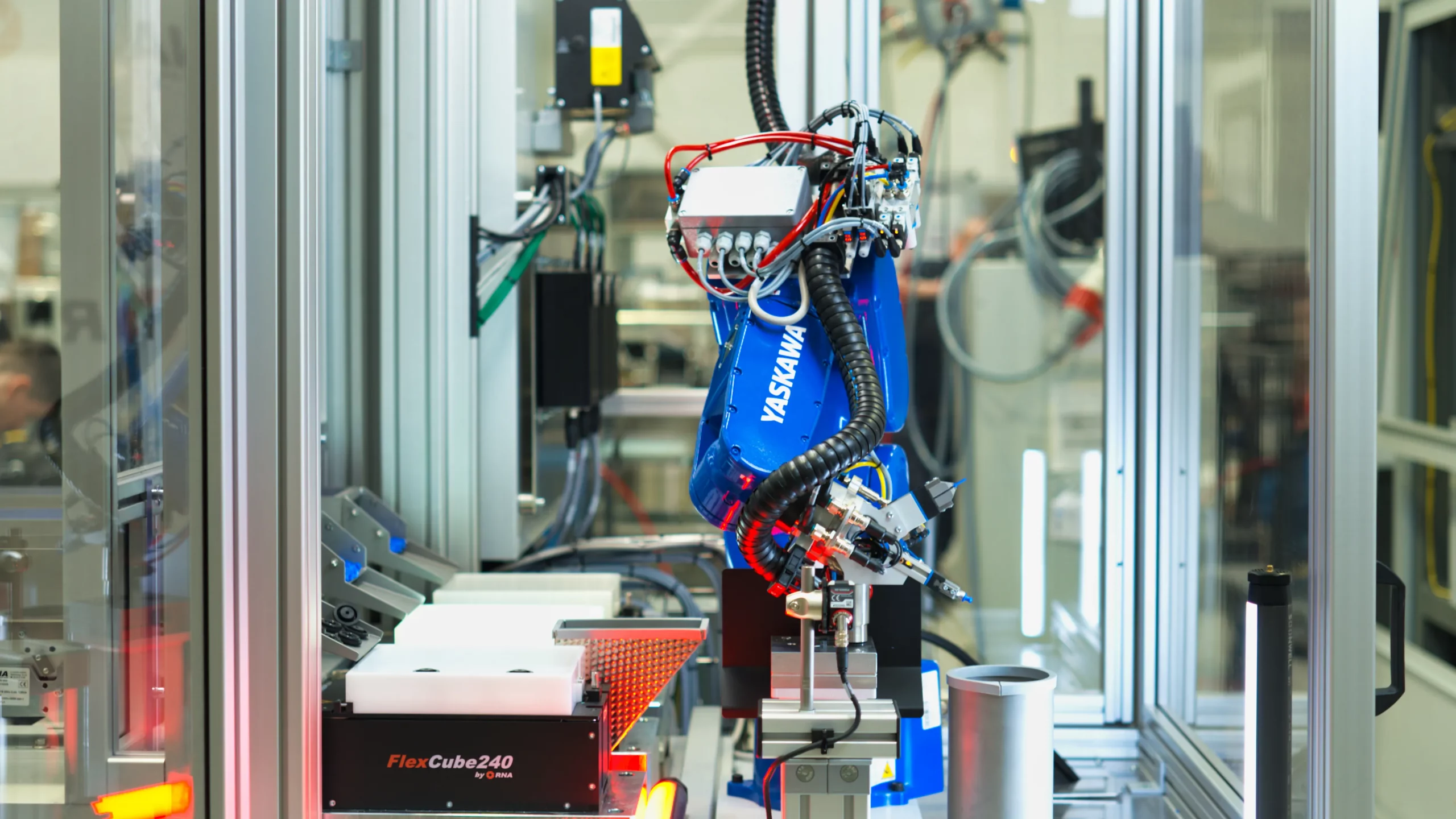
Automation is often central to an industrial investment story, yet individual machine movements do not always explain the wider value. The film should show where the technology sits within the production flow, what task it performs and how people interact with the system.
Examples of industrial automation video demonstrate how wide operational views, close mechanical detail and clear graphics can work together. Animation can reveal internal actions or data flow that cannot be captured safely with a camera.
Any claims about performance should be approved and placed in the correct context. Stakeholder confidence depends on precise communication, particularly when a project is still being tested or scaled.
Protect confidential and market-sensitive information
Investor and stakeholder productions may involve information that cannot be shared publicly. The audience, distribution method and approval process should be agreed before filming begins.
Production teams can plan around confidential drawings, customer products, control screens and commercially sensitive areas. Different edits may be required: a detailed internal version for a controlled meeting and a public version for the website or social channels.
Clear file naming and access control reduce the risk of the wrong version being circulated. Contributors should also understand where their interview will appear and whether the footage may be reused later.
Create versions for different communication settings
A stakeholder film may be screened at an annual meeting, embedded in a report, shown during a board presentation or shared through an internal platform. Each setting has different requirements.
The main film can provide the complete narrative, while shorter edits highlight individual milestones, facilities or themes. Captions make content usable without sound and improve accessibility. A transcript supports viewers who prefer to read and gives communication teams approved wording for related material.
Planning these outputs before the shoot ensures that footage is captured in suitable formats and that interviews contain concise sections that can stand alone.
Connect the film to measurable evidence
Video creates understanding, but it should not obscure the underlying facts. Where appropriate, graphics can present approved measures, timelines or project stages. Supporting documents can provide the detailed methodology that would make the film too dense.
The production can also direct viewers towards the next source of information: a report, project page, presentation or named contact. This turns the film into an accessible entry point rather than an isolated communication.
Feedback can reveal whether the message is working. Questions from stakeholders show which areas were clear, which require more detail and what future updates should address.
Build a trustworthy long-term record
Industrial video production can create a valuable record of how a business develops. Footage of facilities, teams and milestones documents more than a single announcement. It becomes material for future reports, recruitment, project reviews and corporate history.
That long-term value depends on accurate labelling, organised storage and clear usage permissions. Clean footage and approved interview extracts should be easy to find when the next communication need arises.
For investors and stakeholders, the most persuasive film is usually calm, specific and evidence-led. It helps them see the operation behind the message and understand how people, technology and investment are connected.
If you need to communicate an industrial project or company milestone clearly, contact Industreel to discuss a focused production approach.