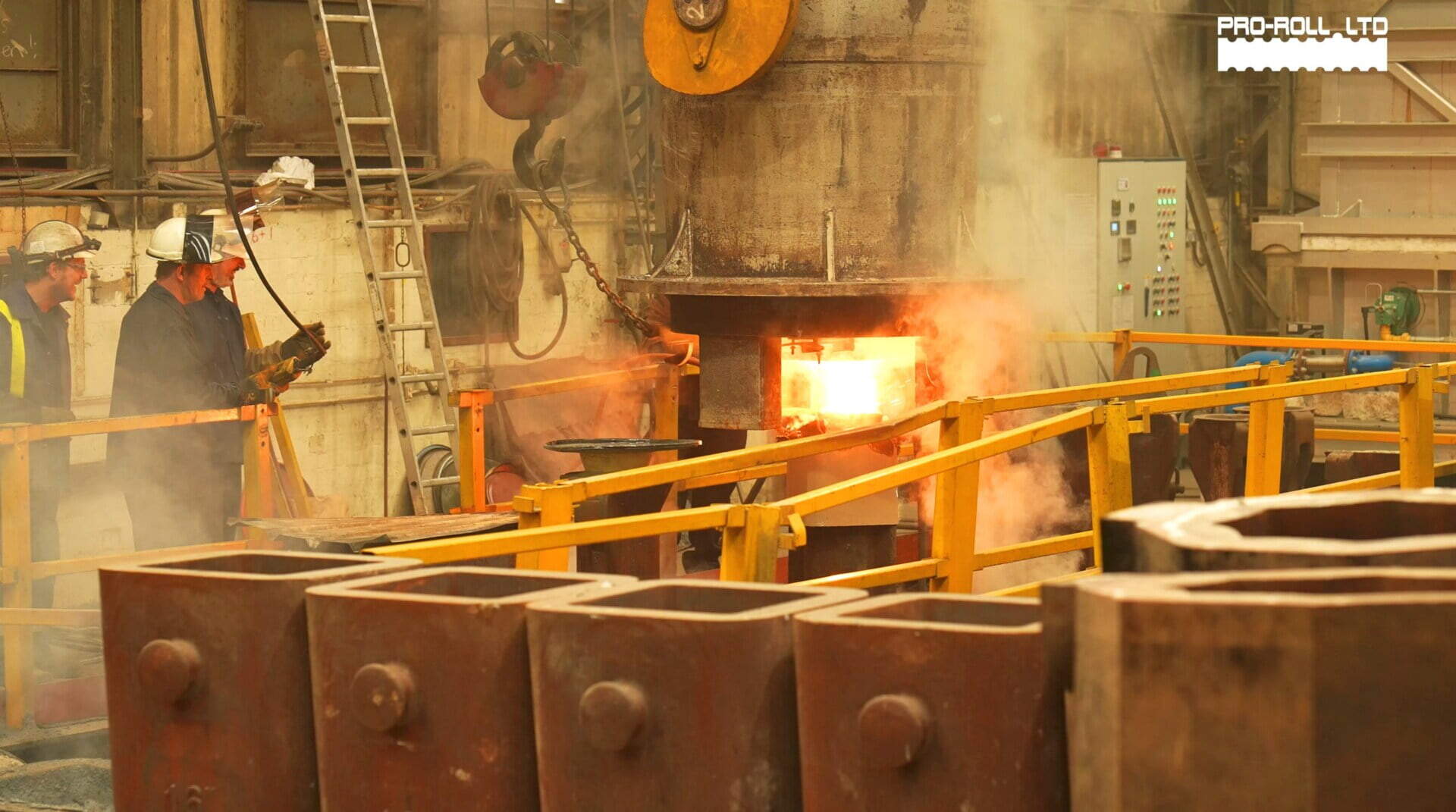
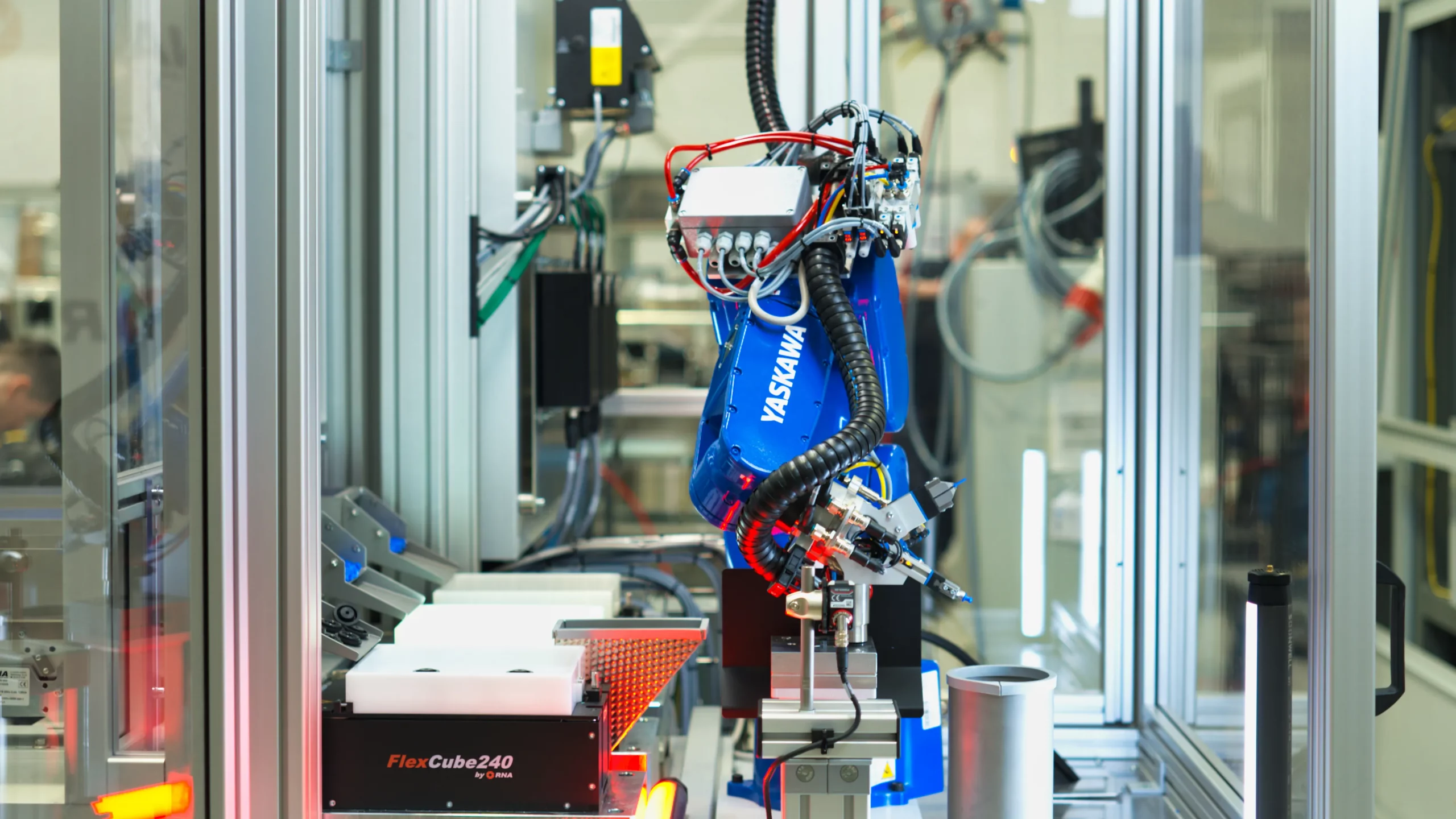
Industrial sites generate a constant stream of inspection activity: equipment checks, condition reports, non-destructive testing, planned surveys and corrective actions. Much of that knowledge is recorded in forms or specialist systems, but a well-planned film can make the evidence easier to understand, share and revisit. Industrial video production gives asset owners a practical visual record of what was inspected, how it was inspected and what the inspection team observed.
That makes video especially useful where an asset is complex, access is restricted or several teams need the same explanation. A concise sequence showing the inspection environment, the relevant component and the correct measurement or test can support engineering discussions without asking every stakeholder to interpret a dense report in isolation. The film does not replace a signed inspection record; it adds context and improves communication around it.
Turn inspection activity into usable evidence
The strongest inspection films are designed around the decisions the audience needs to make. Before a camera arrives, the production team can work with engineers and asset managers to identify the critical locations, terminology, readings and acceptance criteria that need to be visible. This prevents the shoot becoming a general tour of the facility and keeps attention on the evidence that matters.
Useful footage might include the asset identification point, the surrounding conditions, access arrangements, isolation measures, inspection equipment and close-up views of the area under review. A clear visual relationship between the wide context and the detailed observation helps viewers understand exactly where a finding sits within the wider plant. On-screen labels, measured values and carefully timed narration can then reinforce the written record without overloading the viewer.
Plan for safe filming around live assets
Asset integrity work often takes place in environments where safety, permits and operational constraints come first. Video planning should therefore follow the site’s existing controls rather than introduce an improvised media process. The crew needs to understand induction requirements, exclusion zones, PPE, restricted areas, lighting limitations and whether filming can take place during operation, shutdown or a controlled inspection window.
A short technical recce is valuable because it reveals practical issues early. A camera position that looks ideal on a drawing may obstruct an access route, create glare on a gauge or require equipment too close to moving machinery. Compact cameras, remote monitoring, stabilised lenses and agreed filming positions can help the team capture useful detail while keeping the inspection and production crews focused on their primary responsibilities.
Make technical detail clear to different audiences
Inspection footage may be watched by reliability engineers, maintenance planners, project managers, insurers, customers or senior decision-makers. They will not all need the same level of detail. A well-structured edit can begin with a plain-language overview, then move into the technical sequence for specialists. Chapters, captions and consistent naming of assets make the material easier to navigate months after the original shoot.
It is also worth agreeing how measurements, component references and findings will appear on screen. Consistent graphics reduce ambiguity, while restrained sound design keeps attention on the evidence. Where a detail cannot be shown safely or clearly in a single shot, diagrams, still frames or a second explanatory angle can bridge the gap. The objective is not to make the inspection look dramatic; it is to make the record understandable and credible.
Connect video with maintenance and improvement work
Inspection records become more valuable when they connect to the actions that follow. A film can document the condition before intervention, show the repair or replacement process and capture the verification step afterwards. This creates a visual thread through a maintenance project and helps future teams understand why a change was made, not just what the finished asset looks like.
For organisations with recurring inspections, a consistent filming and editing template can build a useful internal library. Naming conventions, dates, asset references and version control should be agreed at the start so that videos remain searchable alongside reports and work orders. The same approach can support industrial video production for maintenance communication, training and technical sales without forcing every project into an identical format.
Choose a production partner who understands industrial context
Technical confidence matters when filming inspection work. A production partner should be comfortable listening to engineers, asking precise questions and translating specialist information into a clear visual plan. They should also respect confidentiality, permit conditions and the difference between documenting an observation and making an unsupported claim about an asset’s condition.
With the right preparation, video can become a durable companion to formal inspection documentation. It preserves visual context, improves handover between teams and gives decision-makers a faster way to understand what happened on site. If your organisation needs a film that explains equipment, inspection findings or the work required next, explore our manufacturing video production service and plan the story around the evidence your audience needs to trust.