Choosing an industrial supplier often involves more than comparing prices and reading a capability statement. Procurement teams, engineers and project managers need confidence that a potential partner can deliver consistently, operate safely and understand the realities of the required process. Industrial video production can make that evidence easier to evaluate by showing facilities, people, equipment and working methods in a clear, credible format.
A well-planned film gives a supplier the opportunity to explain how its operation works while allowing prospective customers to see details that are difficult to communicate in a tender document. Used properly, it does not replace audits or technical checks. It supports them by creating a focused first layer of understanding before a site visit, technical meeting or formal qualification exercise.
Show the capability behind the claim
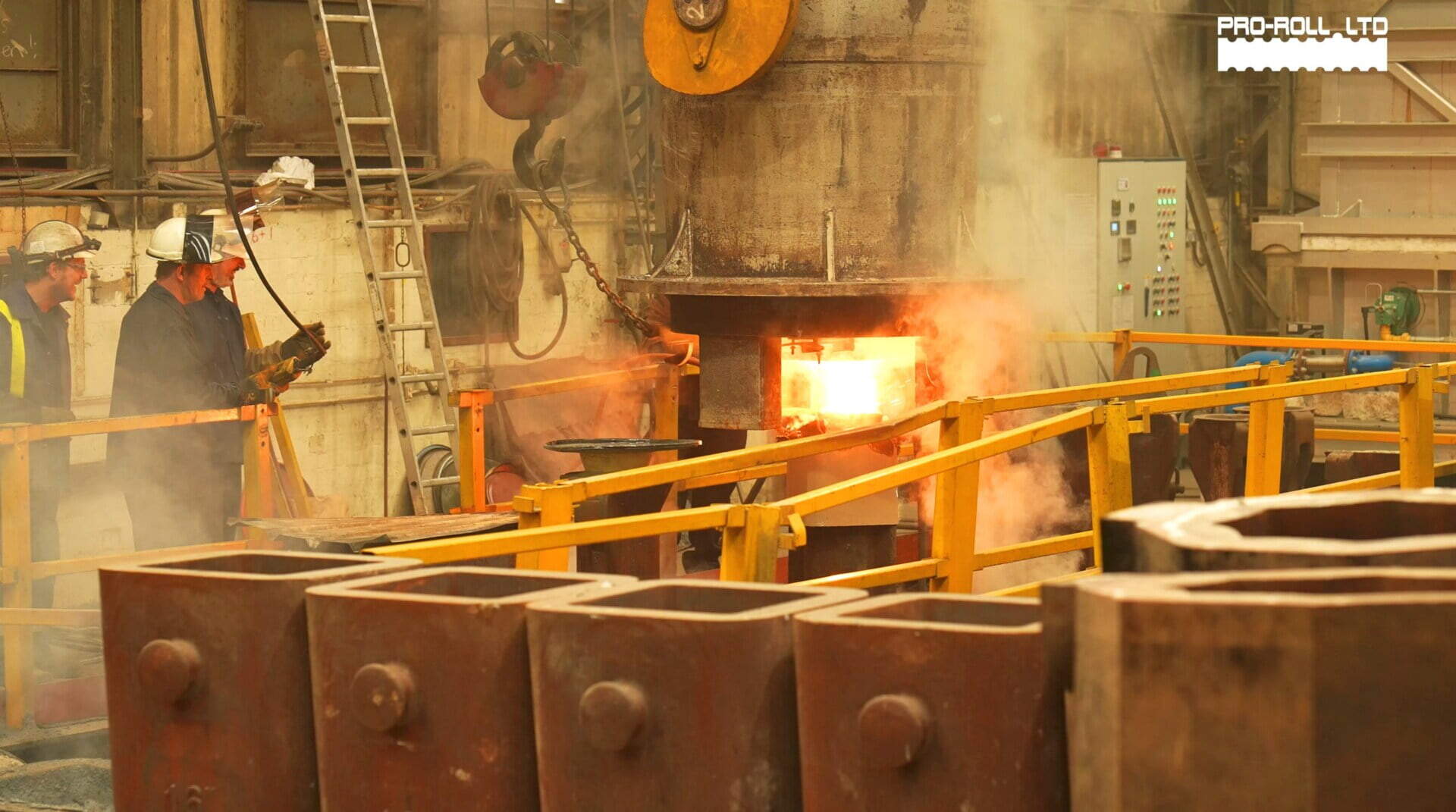
Supplier websites often make broad claims about capacity, quality and expertise. Video adds useful context. A production team can capture the scale of a facility, the movement of materials, the controls around critical operations and the interaction between departments. These details help viewers understand whether a supplier’s stated capability is reflected in its day-to-day environment.
The strongest films are specific about what matters to the intended customer. Instead of relying on generic footage of machinery, the story can follow a typical order from planning and materials handling through production, inspection, packing and dispatch. Engineers can explain the decisions that protect quality, while operators demonstrate the checks that keep the process repeatable. That combination of overview and detail makes the content useful to people who need to assess operational maturity.
Make technical information easier to review
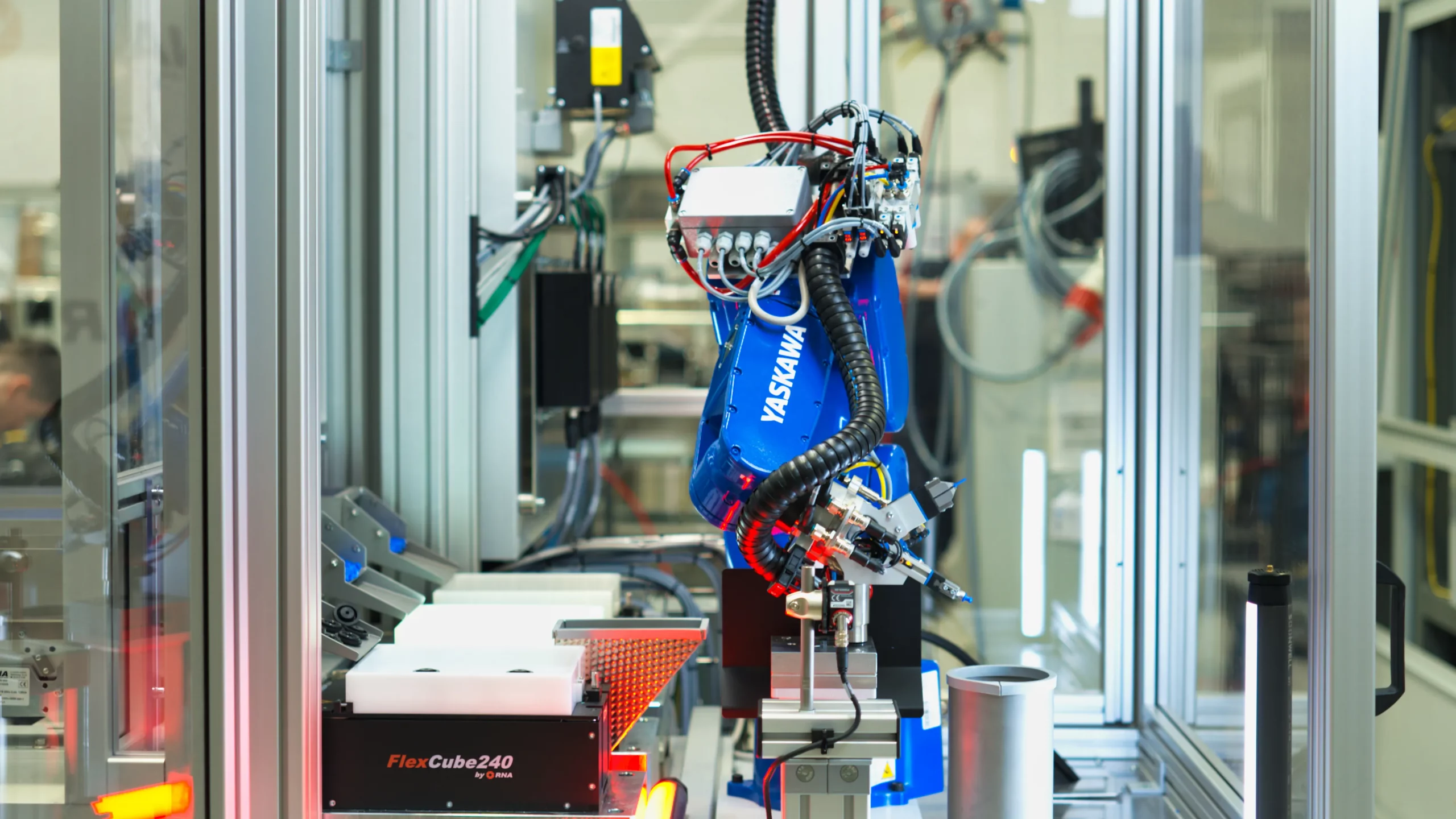
Technical due diligence can become difficult when information is spread across drawings, certificates, photographs and lengthy written responses. A concise video can provide a visual map of the operation and give reviewers a shared reference point for later questions. On-screen labels, simple diagrams and carefully selected close-ups can clarify the relationship between equipment, process controls and finished output without turning the film into a dense presentation.
It is important to plan the technical explanation around the viewer’s decisions. A quality manager may want to see inspection stages and traceability. A project engineer may need to understand equipment capability, tolerances or integration points. A procurement lead may be focused on capacity, lead times and resilience. One film can serve these audiences when the structure is deliberate, the terminology is accurate and supporting information is available through chapters, captions or linked technical resources.
Build trust before the first site visit
For new supplier relationships, the first site visit can involve significant travel, scheduling and preparation. A professionally produced film helps potential customers decide which questions to bring and which areas need closer attention. It can also introduce the people responsible for engineering, quality, production and customer communication, making a later meeting feel more purposeful.
Authenticity matters more than polish alone. The production should show the real facility in normal working conditions, with appropriate safety controls and honest explanations of what the business does best. Carefully managed access, clean audio and a logical narrative improve confidence, but the content must remain grounded in observable evidence. Overstated claims or irrelevant cinematic sequences can weaken the very credibility the film is intended to build.
Plan filming around compliance and confidentiality
Industrial locations contain sensitive information, from customer drawings and product markings to control screens and restricted areas. Pre-production should therefore include a filming risk assessment and a clear approval route. Teams can identify protected zones, remove confidential paperwork, brief employees and agree which processes may be shown before cameras arrive.
The same planning applies to safety. A filming schedule should fit around production requirements rather than encouraging unsafe access or distracting operators. A specialist industrial video production team can coordinate camera positions, permissions, PPE, lighting and sound while respecting the site’s operating procedures. This creates footage that looks credible because it has been captured with the environment, not against it.
Extend the value across the sales process
A supplier qualification film can work well beyond an initial introduction. Shorter edits can support tender responses, account-management meetings, recruitment, distributor training and presentations to project stakeholders. Individual sequences may also become useful assets for explaining a manufacturing route, introducing a new capability or answering recurring questions from prospective customers.
That value is easier to achieve when the master film is planned for reuse. Capture clean interview audio, useful process details and neutral establishing shots, then create versions for different audiences and platforms. A broader manufacturing video production strategy can connect the supplier story to case studies, product demonstrations and ongoing customer communications rather than treating the film as a one-off corporate asset.
A practical brief for supplier evidence
Begin with the decisions the viewer needs to make: can this supplier deliver the required work, control quality, manage risk and communicate reliably? From there, select the processes, people and proof points that answer those questions. Agree the technical language with subject-matter experts, prepare a shot list around real workflow and reserve time for review by quality, engineering and commercial teams.
The result should be a useful piece of evidence: clear enough for a first assessment, detailed enough to prompt informed questions and authentic enough to support a long-term relationship. When industrial video production is planned around due diligence rather than generic promotion, it can shorten the distance between a supplier’s claims and a customer’s confidence.