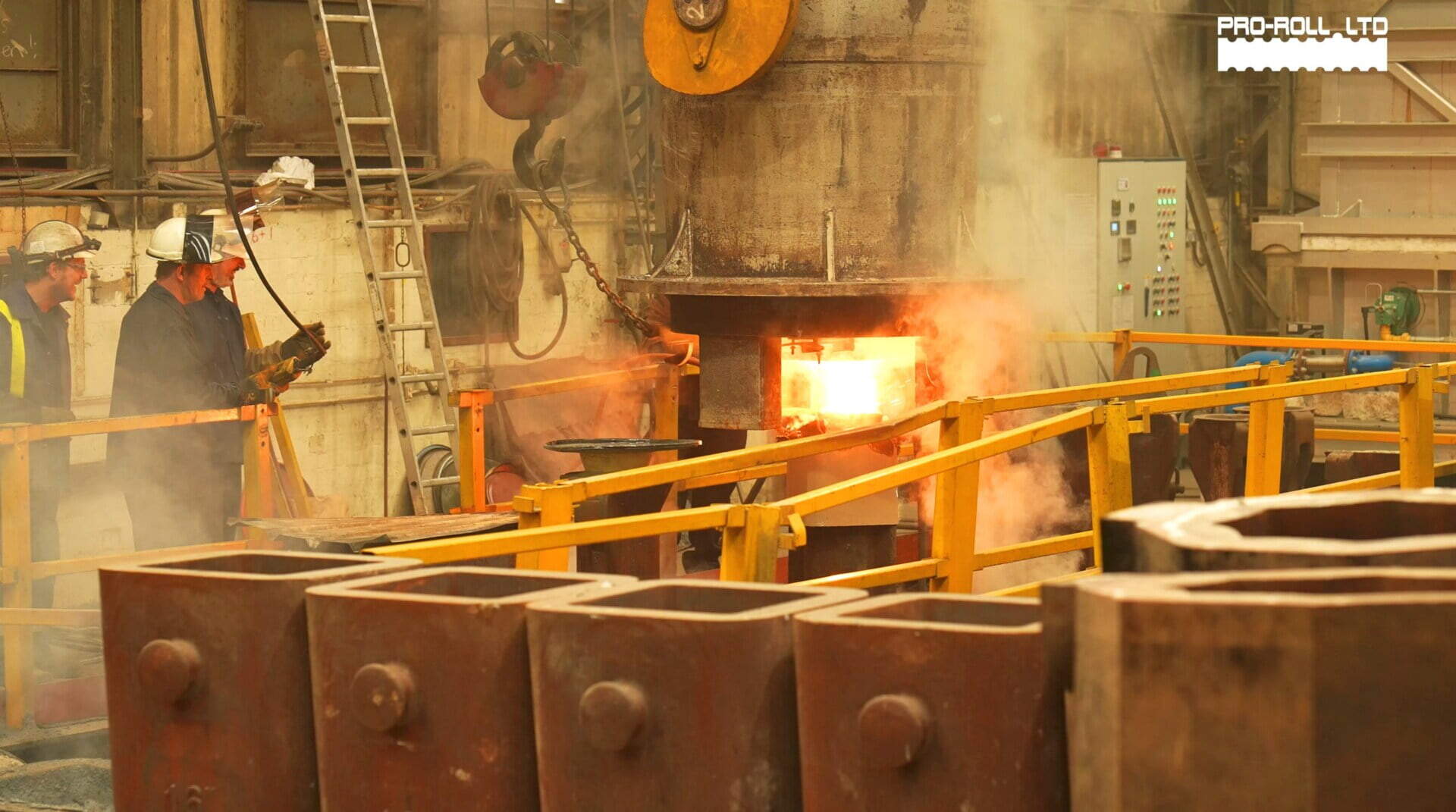
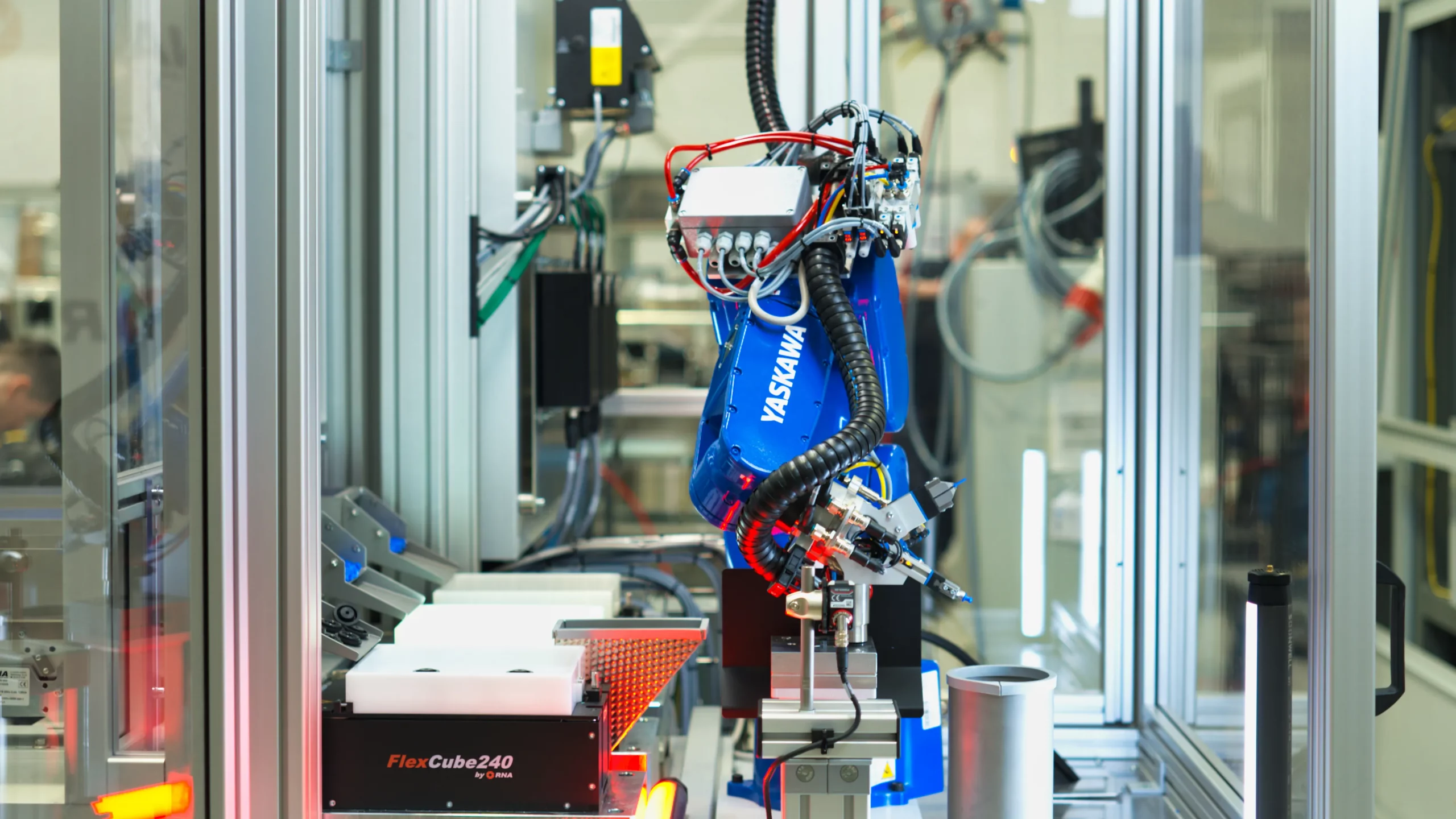
Engineering change is where a technically sound improvement can become difficult to communicate. A revised component, updated control logic, new guarding arrangement or modified process may be obvious to the project team, yet unclear to operators, customers, contractors and senior stakeholders who were not involved in the decision. Industrial video production can turn that change into a practical visual record: what has changed, why it matters, how it should be used and what people need to do next.
For manufacturers and engineering businesses, the value is not simply in producing a polished film. The stronger result is a reusable communication asset that supports implementation across departments and locations. A well-planned video can sit alongside drawings, work instructions and formal change-control documents, giving people a clear explanation of the real-world impact of an engineering decision.
Why engineering changes are hard to explain
Change information is often distributed across several specialist documents. A risk assessment may describe the hazard, a technical note may explain the modification, a commissioning record may confirm the result and a training document may outline the new procedure. Each document has a purpose, but none necessarily shows the complete journey from the old condition to the new one. That gap creates uncertainty, especially for people who need to apply the change rather than design it.
Video is useful because it can connect those separate viewpoints. A short sequence can show the original arrangement, identify the intervention, demonstrate the finished state and include a subject-matter expert explaining the practical reason for the change. Close-up detail, wide shots, graphics and carefully recorded narration can work together without forcing every viewer to interpret a technical drawing before they understand the outcome.
Plan the film around the change story
The most effective projects begin with a simple change narrative. Start by defining the problem or opportunity, then establish the baseline: what did the equipment, process or workspace look like before the work began? From there, show the key intervention without drowning the audience in every installation task. Finish with the new operating condition and the evidence that confirms the change is working as intended.
This structure helps a production team identify the footage that matters before the camera arrives. It also makes it easier to choose interview contributors. An engineer might explain the design decision, an operator might describe the practical improvement and a project lead might clarify the wider business objective. Their comments should complement the visuals rather than repeat generic claims about innovation or efficiency.
Capture useful detail without disrupting production
Engineering changes frequently take place in live facilities with restricted access, moving equipment, production deadlines and strict safety controls. A professional crew must work within the site plan, not around it. That means agreeing filming windows, exclusion zones, permits, PPE, escort requirements and any limits on showing proprietary information. A concise pre-production brief can prevent lost time and ensure the team arrives ready to capture the right stages of the work.
The filming approach should also reflect the scale of the change. A large installation may need establishing shots, elevated views and a carefully timed walkthrough. A small modification may depend on controlled close-ups, before-and-after comparisons and clear spoken explanation. In both cases, stable images, clean sound and consistent screen direction matter more than unnecessary movement. The finished video should make the change easier to follow, not turn it into a visual spectacle.
Build a video library for different audiences
One engineering change can require several versions of the same core story. A detailed internal film might support operators and maintenance teams, while a shorter cut could help a customer understand an upgraded system. A presentation edit may be suitable for a board or investment review, and short vertical extracts can give a project team useful updates for internal channels. Planning these outputs together reduces repeated filming and gives the organisation more value from a single site visit.
Clear labelling and sensible storage are important too. Include the project name, asset or line reference, revision date and intended audience in the final file information. Where appropriate, add captions, transcripts and chapter markers so the material remains useful in noisy environments or when viewers need to jump directly to a particular stage. A video that can be found and understood months later is much more valuable than an attractive file that disappears into an unstructured project folder.
Connect change communication to wider business goals
Engineering change management is ultimately about controlled improvement. The video should therefore make the consequence of the change visible: fewer manual interventions, improved access, a clearer inspection point, reduced downtime, better repeatability or a safer way of working. These outcomes should be evidenced carefully and explained in the language used by the people who will judge whether the project succeeded.
Industreel’s industrial video production service can help engineering and manufacturing teams plan that story around real sites, real people and real processes. For projects that need a stronger commercial or customer-facing emphasis, manufacturing video production can turn the same technical substance into a clear demonstration of capability. If you are preparing a significant modification or improvement programme, get in touch with the team to discuss the locations, contributors and outputs involved.