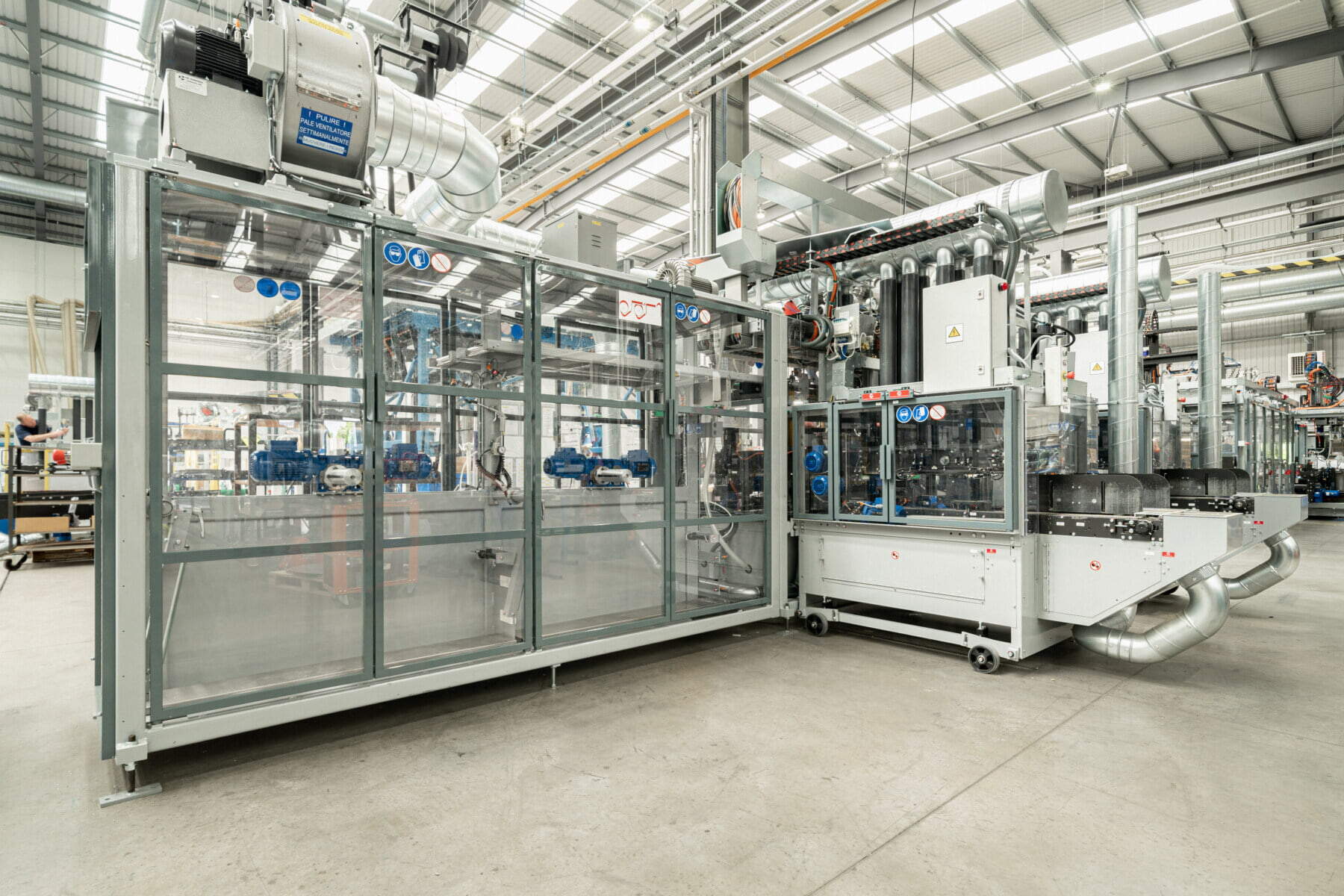
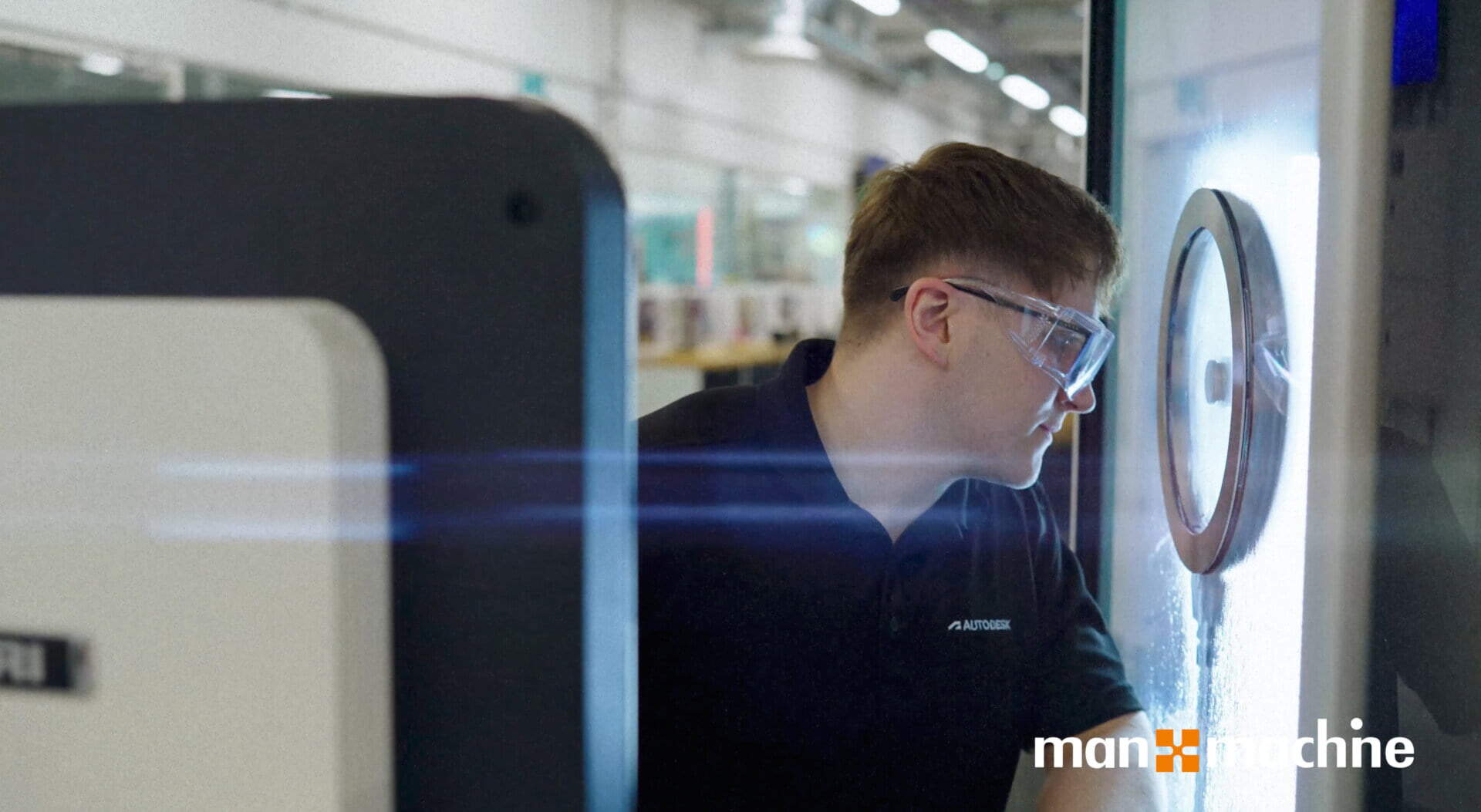
Industrial businesses are competing for engineers, technicians, operators and apprentices who can understand both the work and the standards behind it. A careers page may explain the opportunity, but video can show the environment, the people and the purpose with a level of clarity that written recruitment copy rarely achieves. For manufacturers and engineering firms, industrial video production is especially valuable when the audience wants evidence of what the job is really like before applying.
Show the work candidates are actually being asked to do
Technical candidates are often cautious about vague promises. They want to know what equipment they will use, how a shift is organised, what the team expects and whether the site takes quality and safety seriously. A well-planned recruitment film can answer those questions through real working sequences: a maintenance inspection, a control-room handover, a design review or a technician diagnosing a fault.
The strongest films do not turn the workplace into a generic montage of hard hats and machinery. They follow a credible thread. A new engineer might move from a drawing or digital model to the production cell, then into testing and the final customer application. That sequence gives viewers context and helps them picture where their own skills would fit. It also creates useful material for your industrial video production library, careers pages and targeted recruitment campaigns.
Let technical people explain the culture
Employer branding becomes believable when employees describe the decisions, challenges and learning opportunities behind the work. Short interviews with a process engineer, apprentice, project manager or team leader can reveal how people collaborate and how knowledge is shared. Their language should remain natural: specific examples of solving a production problem are more persuasive than polished statements about being a “dynamic team”.
Preparation matters. Interviewees should understand the purpose of the film, the likely questions and the areas they can discuss confidently, but they should not be forced to memorise a script. A short briefing and a few carefully chosen prompts usually produce more honest answers. Supporting those interviews with observational footage creates a balanced story in which the people and the process reinforce each other.
Make safety and standards visible without making the film feel staged
Prospective employees notice the details. Clear PPE practices, controlled access, clean work areas, documented checks and respectful communication all contribute to a sense of a well-run operation. These details can be filmed as part of normal activity rather than added as obvious set pieces. The result is a recruitment asset that communicates standards through behaviour.
This approach is also useful when recruitment overlaps with customer confidence. A candidate may become a future customer, supplier or advocate, while an employee story can demonstrate the same operational discipline that appears in a manufacturing video or a technical case study. One carefully planned shoot can therefore support several audiences, provided each edit has a clear purpose.
Plan versions for every stage of the candidate journey
A single long film is rarely enough. The main employer-brand story can sit on a careers page, while shorter edits introduce individual roles on LinkedIn, recruitment platforms and event screens. Vertical clips can focus on a single question—what does an apprentice learn in the first year, or how does a field engineer spend a typical week? Captions, strong opening frames and concise titles help these versions work when people are watching without sound.
It is worth planning the distribution before filming. If a recruitment campaign needs a series of role-specific videos, interviews should be recorded in a way that allows consistent cut-downs. If the film will be shown at a careers fair, the opening seconds need to establish the organisation visually, even when viewers join halfway through. This production discipline reduces rework and gives the internal team a practical content bank rather than a single finished asset.
Measure whether the story is attracting the right people
Recruitment video should be judged by more than views. Useful signals include visits to role pages, completed applications, quality of shortlisted candidates, event conversations and questions submitted after viewing. Different edits can be compared by role, location or audience to see which messages bring in candidates with a realistic understanding of the work.
Before the shoot, agree what the film must help a viewer understand and what action they should take next. That might be meeting the team at an open day, reading a technical job description or applying for an apprenticeship. With a clear brief, authentic contributors and a distribution plan built around real recruitment behaviour, industrial video production can become a long-term hiring tool rather than a one-off corporate film.