Environmental performance is no longer explained only in annual reports. Customers, investors, regulators, procurement teams and employees increasingly want to see how an industrial business operates in practice. A well-planned industrial video can make that evidence easier to understand by showing the equipment, routines and people behind a company’s environmental commitments.
For manufacturers, energy efficiency, waste reduction, water management and emissions control can be technically complex subjects. Video production helps turn those subjects into clear, credible stories. Instead of relying on broad claims, a company can demonstrate a process, introduce the specialists responsible for it and show how improvement is measured over time.
Show the process behind the promise
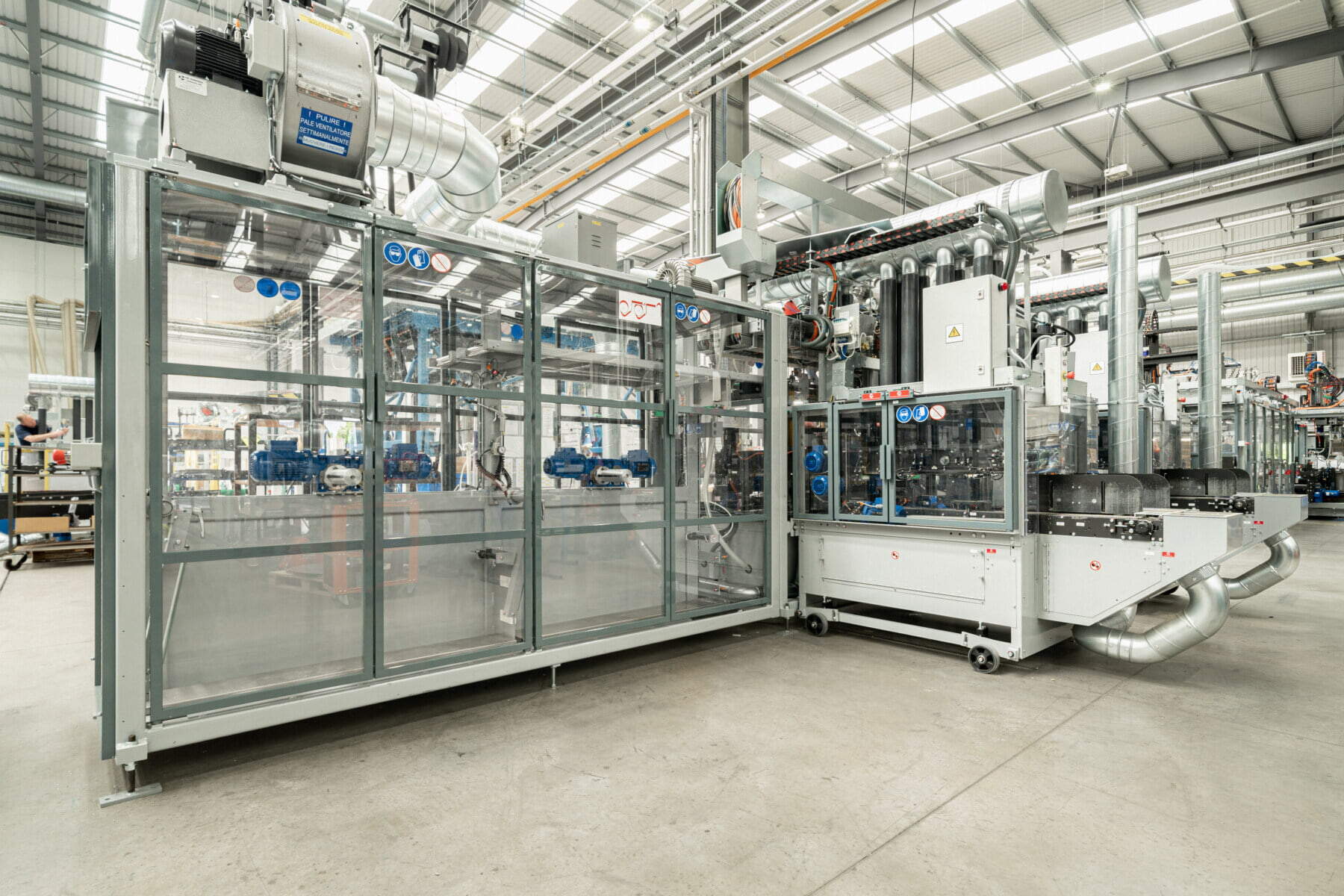
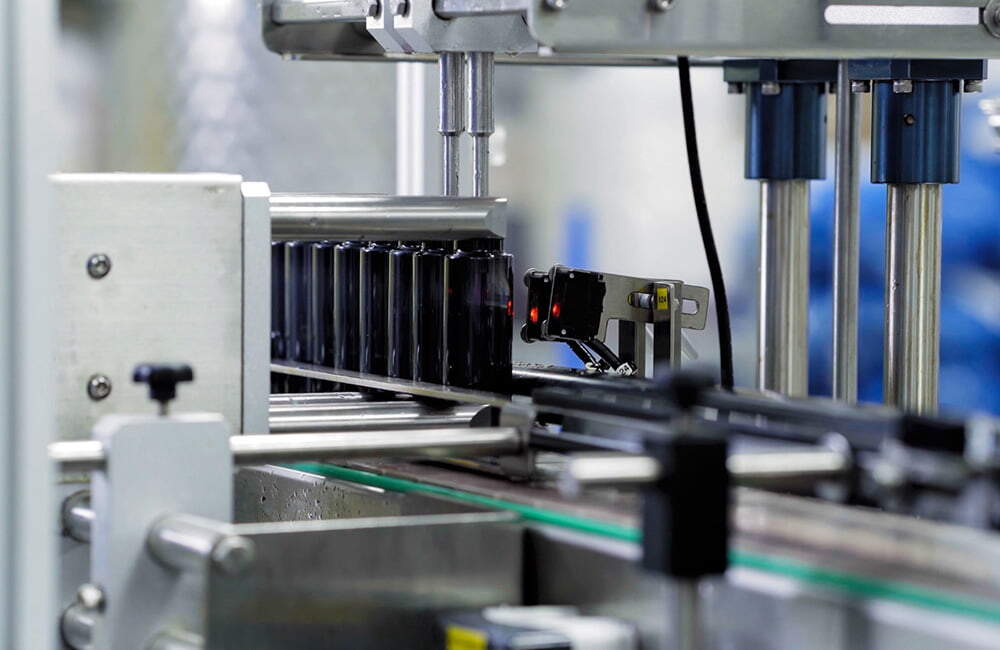
Sustainability language becomes more convincing when viewers can connect it to a physical process. A film might follow materials through a recycling or recovery system, show how production waste is separated, or explain the controls used to reduce energy consumption during a high-load operation. Carefully chosen shots can reveal details that would be difficult to communicate in a written summary, such as the movement of materials, the scale of equipment and the practical decisions made by operators.
The strongest films do not treat environmental performance as a collection of attractive factory shots. They establish a clear question and answer it with evidence. What changed? Why was the change needed? How does the new process work? What difference has it made? This structure gives the audience a useful mental model while allowing technical teams to retain the accuracy that sustainability communications require.
Make technical evidence understandable
Industrial sustainability data often includes units, baselines, targets and reporting periods. Presented without context, those figures can be difficult for a non-specialist audience to interpret. Video gives production teams several ways to add that context: an engineer can explain the measurement method, animated graphics can clarify a trend, and close-up footage can connect a number to the operation that produced it.
That combination is particularly valuable for customer and procurement communications. A prospective customer may not need every engineering detail, but they do need confidence that a claim is specific, repeatable and relevant to their own supply-chain requirements. A concise interview, supported by process footage and restrained on-screen data, can communicate competence without turning the film into a lecture.
Planning matters here. Before filming, the production team should agree which metrics are approved for public use, which terms need explanation and which claims require qualification. This protects the film from vague wording and prevents a visually polished production from creating avoidable questions during legal, technical or customer review.
Build trust with people and places
Environmental systems are operated by people. Including maintenance technicians, production supervisors, laboratory staff and environmental managers gives the story practical authority. These contributors can explain what changed in their daily work, what problems had to be solved and how the new approach is maintained. Their knowledge also helps the audience understand that sustainability is part of operational discipline rather than a separate marketing exercise.
Authentic locations reinforce that message. Filming near the relevant machinery, control panels, storage areas or monitoring equipment creates a sense of place and gives the audience visual proof that the subject is grounded in a real facility. A production plan should still protect safety, confidentiality and continuity. Restricted areas, reflective surfaces, noisy equipment and active forklift routes all need to be considered during the recce and schedule.
Create a content system, not a single film
One sustainability project can generate a useful set of assets when the shoot is planned as a content system. The main film might explain the overall improvement, while shorter edits focus on energy use, waste handling, employee involvement or customer outcomes. A few carefully recorded interviews can also provide cutdowns for presentations, sales meetings, recruitment and internal communications.
This approach makes the production more efficient and helps the message stay consistent across channels. A longer case-study film can live on the company website, while short vertical edits can introduce a specific initiative on social media. Still frames, process details and short expert answers can support presentations or future campaigns. The result is a library of evidence-led material rather than one asset that is used briefly and then forgotten.
Plan for credibility from pre-production
Credibility is designed before the cameras arrive. The brief should identify the audience, the business question, the approved evidence and the action the viewer should take next. A storyboard can then balance wide operational views with detail shots, interviews, data graphics and moments that show the human impact of the work.
It is also worth planning review stages early. Environmental claims may need input from operations, engineering, communications and compliance teams. Agreeing who checks facts, who approves wording and who owns the final sign-off keeps the process moving without diluting the story. If the film supports a tender or customer conversation, the production schedule should allow time for those stakeholders to test whether the final edit answers the questions a buyer is likely to ask.
Industrial video production is at its most useful when it makes responsible practice visible, specific and easy to trust. By combining real processes, knowledgeable people and carefully framed evidence, manufacturers can explain environmental progress with greater clarity. For a broader view of how video can support industrial communications, explore our video production services and see how a focused industrial video strategy can support sales, reporting and stakeholder engagement.