Permit-to-work systems are designed to control high-risk activity, but a written permit can only communicate so much. On a busy industrial site, contractors, supervisors and operators may need to understand the same boundaries, isolation points and escalation routes before work begins. Industrial video production can turn that information into a practical briefing that people can watch, revisit and discuss before entering a work area.
The strongest safety videos do not replace the formal permit, risk assessment or method statement. They support those documents by showing how the controls work in the real environment. A viewer can see the access route, the location of barriers, the equipment that must be isolated and the point at which a job must stop for further authorisation. That shared visual reference helps teams begin with a more consistent understanding of the work.
Make the work area understandable before the job starts
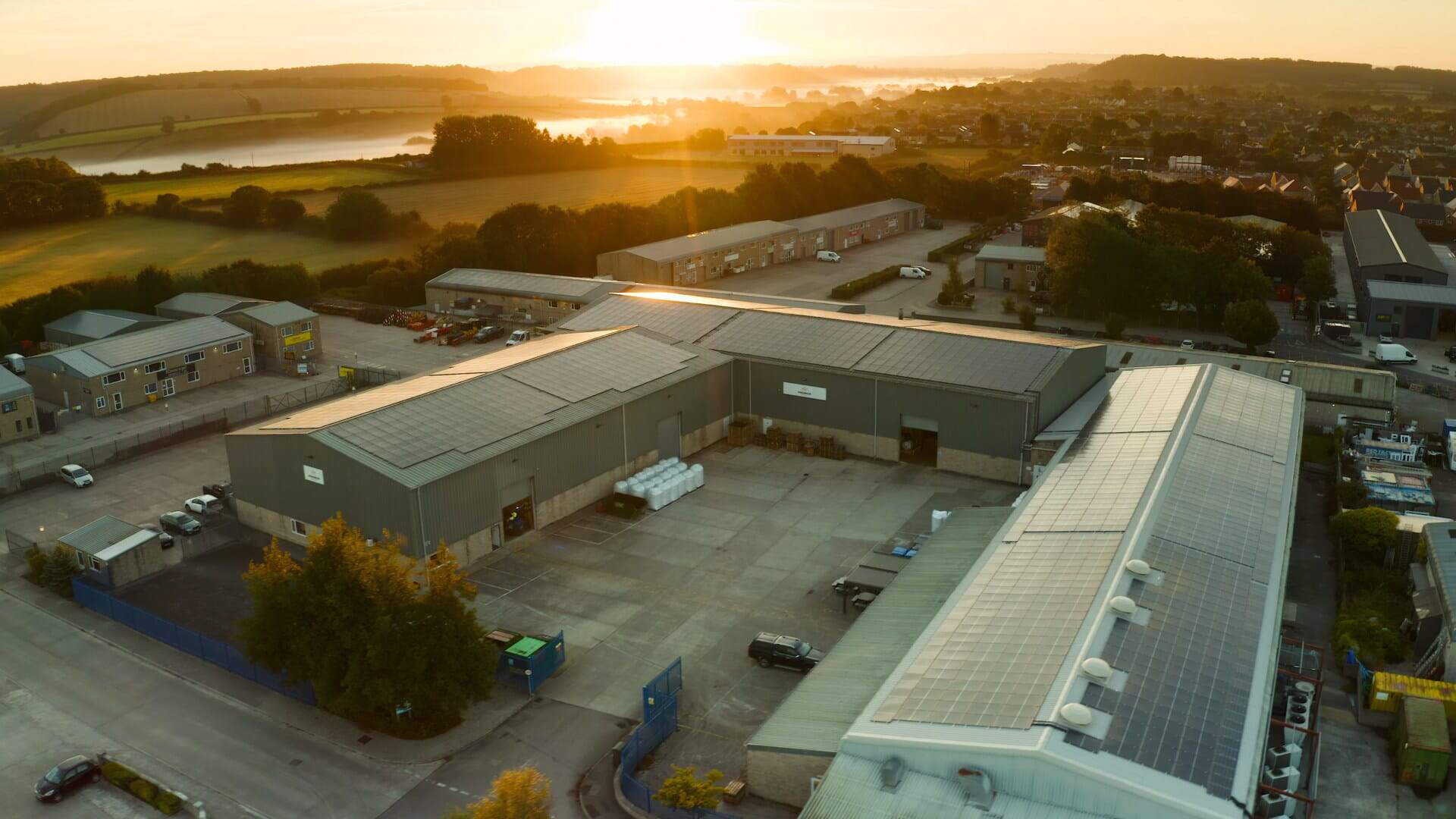
Industrial environments are often difficult to describe from a desk. A plant may include multiple levels, restricted zones, temporary routes, overhead services, process equipment and changing site conditions. A safety briefing video can establish the geography of the job before the crew arrives. Wide establishing shots can show the overall location, while closer footage can identify muster points, exclusion zones, emergency equipment and permitted approaches.
This is particularly valuable when several organisations are involved in one task. A principal contractor, specialist subcontractor and site operations team may use different language for the same area or hazard. Filming the actual location and adding clear on-screen labels creates a common reference. It also gives supervisors a useful tool for toolbox talks, induction sessions and refresher training when the work is repeated.
Show isolations, boundaries and control points clearly
Permit-to-work communication depends on precision. A video should show what has been isolated, where the isolation is verified, who controls the permit and which conditions must remain in place. It can follow the sequence from authorisation through to the point where work is released, using close-up shots, diagrams or animated overlays where physical details are difficult to see safely.
Careful production planning matters here. The crew needs to understand the difference between showing a control and demonstrating a live hazardous action. Filming should never encourage unsafe imitation or interfere with operational safeguards. Safe stand-ins, staged sequences and post-production graphics can communicate the required process without compromising the site. Captions and callouts should reinforce the approved procedure rather than introduce unofficial instructions.
Design the briefing for real viewing conditions
A site briefing is rarely watched in a quiet meeting room with perfect audio. It may be viewed on a mobile device, a shared screen, a tablet in a welfare area or a laptop during a pre-start meeting. The edit should therefore be direct, legible and easy to pause. Strong contrast, large labels, clean maps and accurate subtitles help viewers follow the message even when the environment is noisy or when English is not their first language.
Breaking a long subject into focused modules can make the material more useful. One short section might cover the work scope, another the access route, another isolations and another emergency response. Modular video makes it easier to refresh one part when a control changes, while the wider briefing remains current. It also allows supervisors to select the relevant sequence for a particular permit without presenting unnecessary information.
Connect video evidence to the permit process
The video becomes more effective when it is integrated into the site’s existing workflow. A QR code on a permit pack, induction record or digital work instruction can take viewers to the current approved briefing. A version number and review date make it clear which material applies to the job. The production team should also leave space for the site’s own approval language, document references and contact details, so the finished asset supports governance rather than sitting separately from it.
Recording a short acknowledgement or discussion after viewing can strengthen the process. The important point is not simply proving that someone pressed play; it is giving the team an opportunity to identify a changed condition, ask a question or confirm that the work scope is understood. Video can make that conversation more consistent, while the permit system remains the formal record of authorisation.
Keep the content current as conditions change
Industrial sites evolve. Equipment is replaced, routes move, contractors change and lessons from incidents lead to new controls. A safety video should be planned as a maintainable communication asset, not a one-off film. Filming generic explanatory sections separately from location-specific footage can reduce the cost of future updates. A clear shot list, structured project files and an agreed approval owner also make revisions faster when a control changes.
For organisations planning a new briefing or a wider library of operational films, industrial video production can combine practical site filming with scripting, graphics and structured delivery. A related manufacturing video production approach can help teams document complex processes while keeping safety, clarity and operational accuracy at the centre of the edit.
When permit-to-work information is shown in the place where it matters, people have a better chance of recognising the controls before work begins. The result is not a substitute for professional risk management. It is a clearer, more repeatable way to explain the conditions that make high-risk work acceptable and to keep that explanation available throughout the job.